What's the single biggest mistake snake plant owners make? Watering too often is a close second, but using the wrong soil is the real silent killer. The right mix keeps roots healthy, drains fast, and prevents the root rot that turns a thriving Sansevieria into a soggy mess. After testing dozens of options in 2026, Perfect Plants Organic Snake Plant Soil stands out as the clear top pick — it's purpose-built for the plant you're growing, not just a generic cactus blend. But the rest of this list has something for every budget and growing style, so read on before you decide.
Snake plants (also called Dracaena trifasciata, formerly Sansevieria) are famously forgiving, but they draw a hard line at waterlogged soil. These plants evolved in dry, rocky West African terrain. Their roots need oxygen between waterings. Pack them into dense, moisture-retaining potting mix and you're fighting their biology from day one. The good news? Give them a fast-draining, gritty mix and they'll reward you with years of low-maintenance growth. If you're also exploring what works for other houseplants, check out our guide to the best soils for peace lily plants — a very different soil profile that shows just how much substrate choice matters.
This guide covers seven of the best soil mixes for snake plants available right now. We've looked at drainage speed, ingredient quality, value per quart, and real-world user results. Whether you're repotting a single pot or setting up a collection, you'll find the right option here. We've also pulled in our full soil amendment and conditioner buying guide recommendations as context for understanding what makes these blends work.

Contents





Most soil mixes on this list are adapted from cactus or succulent blends. This one is engineered specifically for snake plants, and that distinction matters. Perfect Plants built this 8-quart bag around coconut coir (a fibrous material from coconut husks that holds a little moisture without staying soggy), pine bark chips, perlite (white volcanic glass beads that create air pockets), and coarse sand. The result is a mix that drains quickly after each watering but never dries out so fast that roots get stressed between sessions.
What sets it apart in 2026 is the zero slow-release fertilizer policy. A lot of commercial mixes bake fertilizer salts into the bag, which can burn snake plant roots over time. Perfect Plants leaves that decision to you, so you control exactly what goes into your plant's root zone. The coir-based structure also resists compaction better than peat-based mixes, meaning the soil stays airy and loose even after months of use. Pour water in, watch it run straight through, and know your roots are breathing.
If you're growing any variety — Sansevieria trifasciata, Laurentii, Black Coral, or Cylindrica — this mix handles them all. The 8-quart size is enough to repot two to three medium containers, making it practical for most home growers. It's on the pricier end per quart, but the specificity of the formula justifies every penny if snake plants are your focus.
Pros:
Cons:
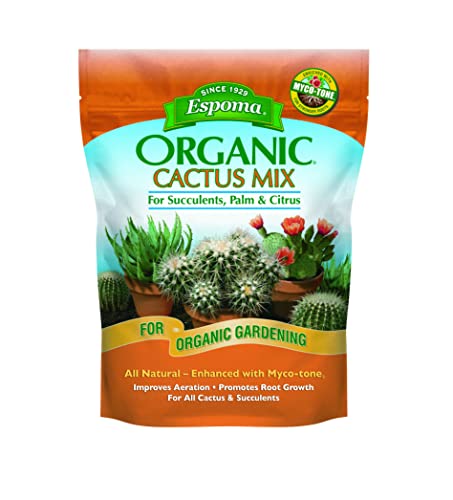
Espoma has been making organic gardening products since 1929, and this cactus mix carries that long track record. The base is sphagnum peat moss blended with humus (decomposed organic matter that adds nutrients and structure) and perlite for drainage. What genuinely differentiates this from competitors at a similar price point is Myco-Tone — Espoma's proprietary blend of mycorrhizal fungi (microscopic root helpers that extend the plant's ability to absorb water and nutrients from a wider area of soil). For snake plants living in containers, where the root zone is limited, that fungal network can make a real difference in long-term health.
The 4-quart bag is a good size for a single repotting job or a small collection refresh. The peat-based structure drains well but retains just enough moisture to support the fungal colonies, which need some humidity to stay active. If you're an organic grower who also tends to succulents, cacti, or citrus trees, this one bag works across your whole container garden. You're not buying a niche product that only fits one plant type.
One thing to watch: peat-based mixes can compress more over time than coir-based alternatives. If you're repotting into a deep container, consider mixing in a small amount of coarse perlite or horticultural sand to maintain long-term aeration. That said, straight out of the bag, this is one of the best-balanced organic options on the market.
Pros:
Cons:
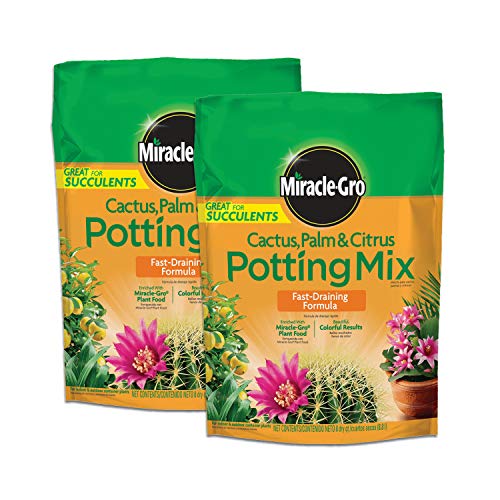
Miracle-Gro is the most recognized name in consumer gardening, and this 2-pack of 8-quart bags gives you 16 quarts of fast-draining mix at a price that's hard to beat. The formula is enriched with Miracle-Gro Plant Food built right in, meaning your snake plant gets an immediate nutrient boost after repotting. The fast-draining formula is the headline feature here — it's blended to move water through quickly, which is exactly what a snake plant needs to avoid standing water at the root zone.
This is the go-to choice if you're repotting multiple plants at once or want a reliable, widely available option from a brand you already trust. It handles indoor and outdoor container plants equally well, so if you're also managing a patio collection of succulents or potted palms alongside your snake plants, this bag does the job across the board. The two-pack value proposition is especially strong if you're refreshing soil for a larger collection in one go.
The trade-off is the pre-loaded fertilizer. For healthy, established snake plants, extra nutrients in the soil can push excessive growth or, in some cases, cause mild fertilizer burn in the immediate post-repot period when roots are stressed. If your snake plant is already thriving and you just want to refresh the soil, the fertilizer addition is mostly harmless. But if you prefer total control over feeding, the Espoma or Perfect Plants options give you a cleaner slate. Either way, for the price and quantity, this is one of the most practical purchases on this list.
Pros:
Cons:
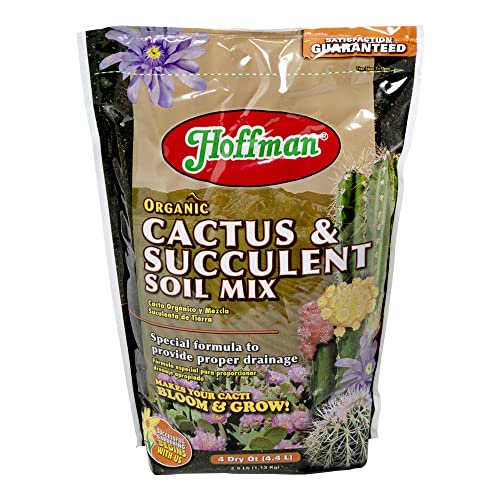
Hoffman keeps things simple, and that's exactly why it earns a spot on this list. This 4-quart bag is a straightforward, no-nonsense mix designed to provide the drainage that cacti and succulents — and by extension, snake plants — need to thrive. It's ready to use straight from the bag with no mixing required, which is the biggest practical advantage here. Open it up, fill your pot, plant your snake plant, and you're done. No amendments, no measuring, no guesswork.
The formula is certified organic and provides the gritty, well-aerated structure that keeps moisture from pooling around roots. The brown sandy texture tells you exactly what you're getting — a mix that prioritizes drainage over moisture retention, which aligns perfectly with a snake plant's preferences. For new plant owners who are just learning the basics and don't want to overthink their soil choice, Hoffman removes every barrier to getting started correctly.
At the 4-quart size, you're working with a limited quantity, so this is best suited for a single repotting job or for testing before committing to a larger bag. The cost per quart is reasonable, making it a smart pick if you just need a quick, reliable solution without paying premium pricing for specialized branding. You won't find any bells and whistles here, but you don't need them. This does its job.
Pros:
Cons:
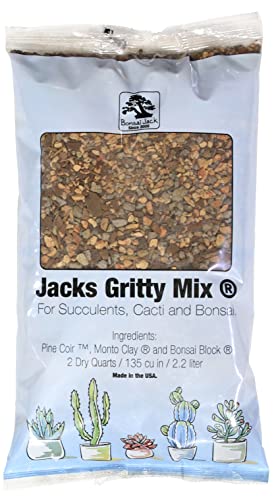
If you're the kind of plant owner who struggles with overwatering — and most people are — Bonsai Jack's Gritty Mix is the most aggressive solution on this list. This is not a soft, fluffy mix. It's built from Bonsai Block (a type of fired ceramic), Monto Clay (calcined clay particles that hold just enough moisture without staying wet), and pine coir (fine pine wood particles). The result is an ultra-porous, ultra-fast-draining medium that makes it almost impossible to overwater your snake plant. Water pours through in seconds, leaving just enough residual moisture in the clay particles to sustain roots without sitting in wet soil.
The pH is optimized at 5.5, which falls in the slightly acidic range that snake plants and most succulents prefer. This isn't a coincidence — Bonsai Jack engineered the mineral-heavy formula with water absorption rates, evaporation speed, bulk density, and particle size all calculated. You're not getting a bag of garden center mix here. You're getting a precision-engineered growing medium that happens to be available to home growers. The 2-quart size is small, so consider this for a single prized specimen or as a component for blending with a looser base.
The one real trade-off is watering frequency. Because Bonsai Jack drains so aggressively, you'll need to water more often than with peat-based or coir-based mixes — the mineral particles don't buffer moisture the way organic materials do. That's a fine trade-off for anyone who killed their last snake plant with root rot. But if you're prone to forgetting waterings for weeks at a time, a slightly more moisture-retentive mix might serve you better. For collections that include other succulents alongside your snake plants, this also pairs beautifully with the right container — take a look at our best pots for succulents guide for compatible container picks.
Pros:
Cons:
rePotme is a specialty brand that hand-blends its mixes in the USA in small batches, and you can feel the quality difference when you open the bag. The 2-quart Imperial Blend is an organic, balanced formula designed specifically for the drainage needs of cacti and succulents — plant families that share snake plants' deep intolerance for wet feet. The mix prioritizes root health above everything else, with an ingredient balance that keeps oxygen moving through the medium and prevents the anaerobic (oxygen-free) conditions that trigger root rot.
The ready-to-use format means you're not doing any measuring or mixing. It's pre-balanced, so you go straight from bag to pot. The organic credential matters here too — rePotme avoids synthetic fillers that can degrade soil structure over time, sticking to materials that maintain their aeration properties through many watering cycles. The texture is consistent and well-screened, with no large clumps or debris that would cause uneven drainage.
The 2-quart size positions this as a boutique option — ideal for a single plant you care deeply about, or for growers who want to compare a small batch against their current soil before committing to a larger quantity. It's not the most cost-effective choice per quart if you're repotting an entire collection, but for a prized Laurentii or Black Coral variety, the care that goes into every bag of rePotme is the kind of detail that shows up in long-term plant health. If you're exploring the soil world more broadly, the same principles of drainage and aeration apply to many other plants — our full guide on gardening product reviews covers the landscape in detail.
Pros:
Cons:
Back to the Roots positions itself at the intersection of sustainability and performance, and this 6-quart bag delivers on both fronts. The formula is 100% organic, made in the USA, and built around a dual-system approach: aged bark for soil structure and aeration, combined with perlite and horticultural sand for rapid drainage. The aged bark component is what makes this mix stand out from simpler sand-and-perlite blends — bark breaks down slowly over time and continuously feeds the microbial ecosystem in your container, creating a living soil environment rather than just an inert growing medium.
For snake plant owners who want to support long-term soil biology alongside drainage performance, this is the most sophisticated organic option on the list. The perlite and horticultural sand handle the immediate drainage need, while the aged bark builds the structural foundation that keeps roots healthy over months and years. The 6-quart size is a practical middle ground — enough to repot three or four medium containers in one session without buying more than you'll use.
The premium organic certification and US manufacturing carry their own value for buyers who care about those credentials. This isn't the cheapest option per quart, but for a fully organic, domestically produced mix that does more than basic drainage, the price is justified. In 2026, as indoor gardening continues to grow in popularity and buyers increasingly scrutinize ingredient sourcing, Back to the Roots hits the right notes across quality, transparency, and performance. Pair it with the right container drainage hole and you have a setup that practically runs itself.
Pros:
Cons:
Every decision you make about snake plant soil starts here. Snake plants will survive low light, neglect, and infrequent watering — but they will not survive waterlogged soil. Root rot sets in fast when moisture sits in the root zone without drainage, and once it starts, it's difficult to reverse. The soil you choose needs to pass water through quickly while leaving just enough residual moisture to hydrate roots between waterings. Anything described as "moisture-retaining" or "for moisture-loving plants" is the wrong category. You want fast-draining, gritty, or cactus-type mixes every time.
When you test a mix before buying, look for visible perlite, sand, or mineral particles in the texture. These inorganic components create the air pockets and drainage channels that organic material alone can't provide. A good snake plant mix should feel noticeably heavier and grittier than standard potting soil — not fluffy and light like an all-purpose indoor mix.
The mixes on this list split roughly into two camps: organic-dominant formulas (coir, peat, bark, humus) and mineral-heavy formulas (calcined clay, pumice, perlite, coarse sand). Both can work, but they behave differently. Organic mixes buffer moisture slightly longer and support soil microbial life, which can improve nutrient availability over time. Mineral mixes drain faster and last longer without compacting or breaking down. For most casual snake plant owners, a good organic mix with added perlite hits the sweet spot. If you've killed snake plants before through overwatering, a mineral-heavy option like Bonsai Jack's Gritty Mix removes the risk almost entirely.
The ingredient list on the bag tells you a lot. Coconut coir is better than straight peat for long-term structure. Perlite and coarse horticultural sand are the best drainage amendments. Aged bark adds beneficial biology. Avoid mixes that list "moisture control" technology, water-absorbing crystals (hydrogel), or heavy peat as the primary ingredient — those are designed for plants with opposite watering needs.
Before you buy, measure your pot. A 6-inch pot holds roughly 1 to 1.5 quarts of soil. An 8-inch pot needs about 3 quarts. A 10-inch container can use 6 quarts or more depending on depth. Most bags on this list range from 2 to 16 quarts, so matching quantity to your actual need saves you money and avoids wasted product. If you're repotting a collection of plants at once, buy the largest bag that fits your budget — the cost per quart drops significantly at higher volumes with options like the Miracle-Gro two-pack.
Also think about repotting frequency. Snake plants don't need frequent repotting — every two to three years is typical. If you're buying soil for a single plant, a 4-quart bag is usually plenty. For a growing collection, invest in a larger quantity and store the excess in a sealed container or zip bag to keep it fresh.
Snake plants prefer a slightly acidic to neutral soil pH in the range of 5.5 to 7.0. Most quality commercial mixes fall within this range by default, but if you're mixing your own or amending a base mix, it's worth testing. You can pick up a basic soil pH meter for a few dollars and get an immediate reading. The pH affects how well roots can absorb nutrients — even if the nutrients are present in the soil, the wrong pH can lock them out. Bonsai Jack targets 5.5 specifically for this reason, sitting at the optimal lower end of the range for succulents and snake plants.
On fertilizer: snake plants are light feeders. They don't need heavily fertilized soil, and excess nutrients can push weak, floppy growth rather than the tight, upright structure that makes the plant attractive. If your mix includes slow-release fertilizer (like Miracle-Gro's formula), that's fine for general maintenance. But if you prefer to feed on your own schedule with a diluted liquid fertilizer in spring and summer, start with an unfertilized mix like Perfect Plants or Espoma and add nutrients yourself at controlled intervals.
Snake plants need fast-draining soil with a gritty texture. The best options are mixes designed for cacti and succulents, or purpose-built snake plant soil like Perfect Plants Organic. Look for coconut coir, perlite, coarse sand, and pine bark as main ingredients. Avoid standard all-purpose potting mixes that retain moisture — they create the waterlogged conditions that kill snake plant roots.
Standard all-purpose potting mix is too dense and moisture-retentive for snake plants. You can use it in a pinch if you amend it heavily — mix in at least 50% perlite or coarse horticultural sand to open up the structure and improve drainage. Without amendment, regular potting soil stays wet too long between waterings and puts your snake plant at high risk of root rot, especially in low-light indoor conditions where evaporation is slow.
Repot your snake plant every two to three years, or whenever you see roots circling the bottom of the pot or pushing out of drainage holes. When you repot, always use fresh soil — old mix compacts over time and loses its drainage properties. Spring is the best time to repot, right before the plant's active growing season. After repotting, hold off on watering for a few days to let any root disturbance settle before introducing moisture.
Yes, and it's one of the easiest improvements you can make. Even if your mix already contains perlite, adding more — up to 30 to 40 percent of the total volume — significantly improves drainage and root aeration. Perlite is inexpensive, widely available, and has no negative effects on plant health. For snake plants specifically, more perlite means faster drainage, which directly reduces root rot risk. If you're using a pre-made cactus mix, you generally don't need to add more, but for generic potting soil blends, perlite is essential.
Snake plants grow best in soil with a pH between 5.5 and 7.0. This slightly acidic to neutral range keeps the soil chemistry in balance for nutrient absorption and healthy root function. Most quality cactus and succulent mixes fall within this range without any adjustment needed. If you're mixing your own soil or have concerns about your local water quality affecting pH over time, a basic soil pH test is a quick and inexpensive way to verify your growing medium stays in the right range.
Yes — cactus and succulent soil is an excellent choice for snake plants. Both plant types evolved in low-moisture environments and need fast-draining, well-aerated soil. Most of the products on this list are marketed as cactus or succulent mixes and work perfectly for snake plants. The key requirements are the same: quick drainage, adequate aeration, and no heavy moisture-retaining additives. Snake plant-specific soil like Perfect Plants is slightly better optimized, but any quality cactus mix is a solid choice.
Give your snake plant the one thing it actually needs — soil that gets out of the way of water fast — and it will outlive every other plant in your home.
 |
 |
 |
 |

About Truman Perkins
Truman Perkins is a Detroit-based SEO consultant who's been in the business for over a decade. He got his start helping friends and clients get their websites off the ground, and he continues to do so today. In his free time, Truman enjoys learning and writing about gardening - something he believes is a natural stress reliever. He lives with his wife, Jenny, and their twins in Detroit.


Get new FREE Gifts. Or latest free growing e-books from our latest works.
Disable Ad block to reveal all the links. Once done, hit a button below
|
|
|
|
 rinjal