Roses account for more than $250 million in annual retail plant sales in the United States alone — and every single one of those plants needs regular pruning to stay healthy and bloom well. The problem is that most gardeners reach for the wrong tool, using flimsy all-purpose shears that crush canes instead of cutting them cleanly, which opens the door to disease and stunts growth. If you're serious about your roses, the pruner in your hand matters more than almost any other tool in your shed.
In 2026, the market for hand pruners and electric pruning shears is more competitive than ever, ranging from legendary Swiss-made bypass pruners that professional horticulturists have trusted for decades, all the way to powerful brushless-motor cordless shears that can slice through 2.75-inch branches in a single squeeze. Whether you're managing a few climbers on a backyard trellis or maintaining dozens of hybrid tea roses across a large garden, there's a specific tool built for your hands, your budget, and your workload.
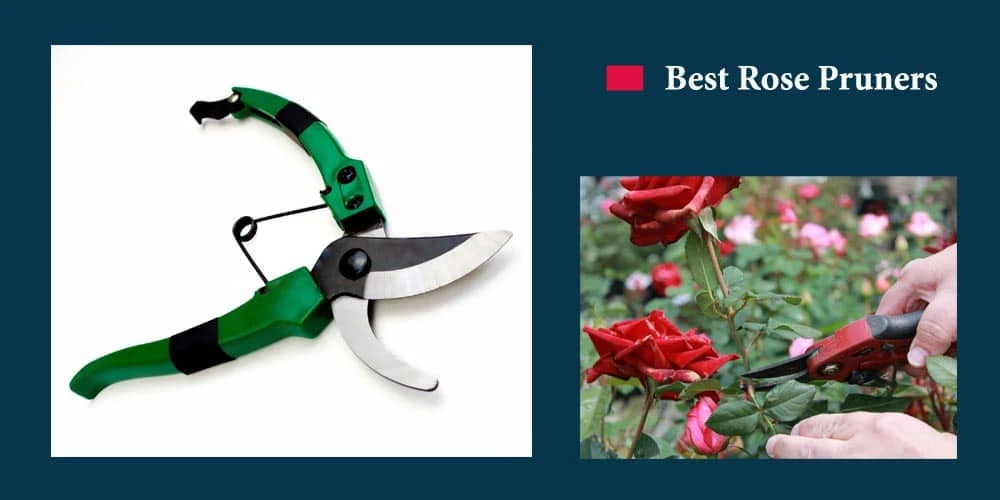
This guide covers seven of the best rose pruners available right now, with detailed reviews, a practical buying guide, and answers to the questions we see asked most often. If you also want to pair your pruning routine with the right soil and plant care supplies, check out our full gardening reviews section for more curated recommendations. Now, let's get into the tools that will actually make a difference in your garden.
Contents



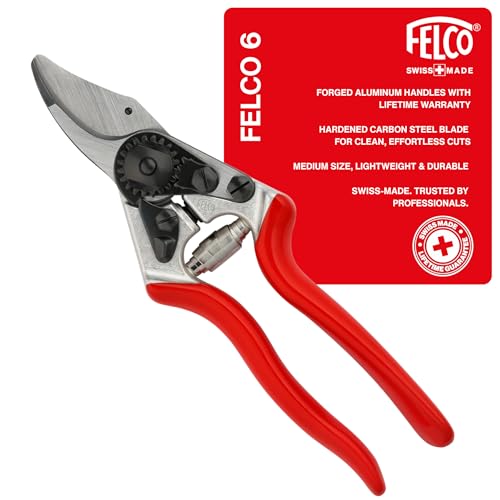




The Felco F2 has been the benchmark for professional pruning shears for over 70 years, and in 2026 it still earns its reputation every single season. Made entirely in Switzerland from forged aluminum and hardened carbon steel, this is a tool built to outlive most of the rose bushes you'll use it on. The 9.25-inch length gives you excellent leverage without feeling bulky, and the blade cuts cleanly through canes up to 1 inch thick without crushing or tearing the plant tissue — exactly what roses need to heal quickly and resist fungal disease.
What separates the F2 from cheaper alternatives is the fully replaceable component system. The blade, spring, locking mechanism, and cushioned buffer can all be swapped out individually, so you're never forced to replace the entire tool because one part wore down. Professional rosarians and vineyard workers have been using the same F2 handles for a decade or more, just refreshing the cutting head as needed. The sap groove on the blade prevents sticking, and the wire cutter notch near the pivot handles those inevitable moments when you need to snip a tie or thin wire without reaching for a second tool.
The grip is firm without being hard, and the single-hand latch lock is easy to open and close with work gloves on. If you only buy one pruner for your roses, the F2 is the one. It's more expensive than budget options, but given that it's essentially a lifetime investment, the cost per year over a decade of use is lower than anything you'll find at a discount garden center.
Pros:
Cons:
Think of the Felco F6 as the F2's more ergonomically refined sibling, scaled down to 7.7 inches for medium-sized hands and upgraded with a revolving handle that rotates as you squeeze. That rotating handle is not a gimmick — it dramatically reduces the repetitive torsion stress on your palm and wrist during extended pruning sessions. If you've ever finished a long morning of rose work with an aching hand, the F6's revolving mechanism is the specific fix you've been looking for.
The cutting performance matches the F2's standard: hardened steel blade, sap groove to prevent sticking, and a wire cutter notch built into the blade near the pivot. The cushioned shock absorber softens the impact at the end of each cut, which adds up to significant fatigue reduction over the course of a full garden session. All components are replaceable, just like every Felco model — blades, springs, bumpers, and the rotating handle mechanism itself can all be sourced and swapped independently.
The F6 is specifically engineered for gardeners who do high-volume pruning — think 30, 50, 100 cuts in a single session — where comfort becomes as critical as cutting performance. For rose enthusiasts managing multiple beds or anyone with a history of hand or wrist discomfort, this is a smarter choice than the F2 despite the similar price. Pair this with the right soil setup (our guide to best potting soils covers soil health principles that apply equally to rose beds) and your plants will reward you all season.
Pros:
Cons:
ARS is a Japanese brand with a long reputation in professional horticulture, and the HP-VS8Z is built to that exacting standard. The blades are hard chrome-plated, which gives you real-world protection against rust, sap buildup, and corrosion — important for anyone who doesn't always remember to dry their tools after a wet morning in the garden. The chrome plating also makes cleaning sap off the blade quick work, with most residue wiping away with minimal effort.
The standout feature here is the single-hand latch lock, which opens and closes using your thumb without shifting your grip. If you've used pruners where the safety lock requires two hands or a repositioning of your fingers, you'll immediately feel the difference. This detail matters most when you're moving quickly through a dense rose bed — you want the lock accessible without interrupting your workflow. The unique latch design is one of the most thoughtful ergonomic choices in this category.
The HP-VS8Z is classified as heavy-duty for good reason — it handles thick, woody rose canes and mature shrub growth that would stress lighter-built pruners. The blade geometry is tuned for clean bypass cuts, and the overall balance of the tool sits well in the hand during hard cuts. This comes with a limited lifetime manufacturer's warranty, which ARS stands behind reliably. If you have older established roses with canes that have gone woody over the years, this is the tool to reach for.
Pros:
Cons:
Fiskars built this specific pruner around one clear purpose: making a high-quality bypass pruner that fits and performs for gardeners with smaller hands. The compact handle geometry places the grip exactly where your fingers need it when your hand span is on the smaller side, and the result is a tool that feels controlled and powerful rather than oversized and awkward. The SoftGrip handle is padded and textured, providing a non-slip grip even with wet or muddy gloves on.
The blade is fully hardened, precision-ground steel with a low-friction coating that reduces drag through the cut and keeps the blade from gumming up with sap. This coating also gives you meaningful rust resistance without any maintenance on your end. The 5/8-inch cutting capacity is ideal for green, living growth — everything from pencil-thick rose stems to ornamental shrub branches sits well within its range. For the regular maintenance pruning that roses need every few weeks throughout the growing season, this pruner handles the work effortlessly.
At its price point, the Fiskars delivers performance that outpunches the cost. It's not in the lifetime-investment category of the Felco tools — the blade isn't user-replaceable in the same integrated way — but it's reliable, comfortable, and sharper out of the box than most pruners in its price range. For younger gardeners, those new to rose care, or as a backup tool, the Fiskars earns its place on this list without question.
Pros:
Cons:
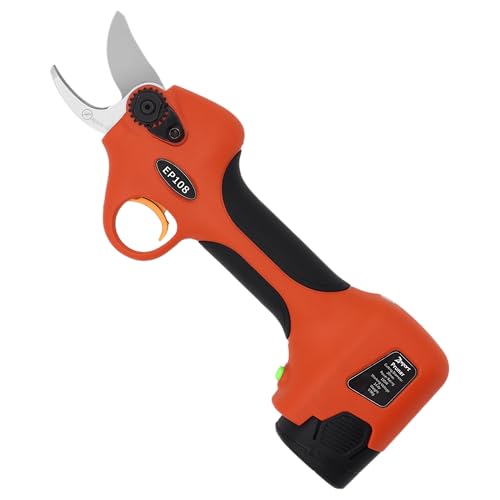
Electric pruners represent a genuine category shift in how you approach rose maintenance, and the Zenport EP108 is the accessible entry point into that world. Battery-powered with a 1-inch cutting capacity and two included 2.5Ah 14.4V lithium-ion batteries, this pruner eliminates the repetitive hand-squeeze fatigue that builds up over long pruning sessions. Each battery delivers 3-4 hours of continuous non-stop pruning, and with two batteries in the box, you have enough runtime to tackle even a large rose garden without interruption.
The cordless design gives you full freedom of movement around your beds without managing a power cord or staying within range of an outlet. For roses trained on trellises, fences, or pergolas where you're working in awkward positions — reaching up, bending sideways, working through dense growth — the electric mechanism reduces hand strain significantly. The 1-inch cutting capacity handles the vast majority of rose cane diameters you'll encounter, covering both young green shoots and moderately established woody canes with equal ease.
The EP108 is particularly well-suited for gardeners managing hand fatigue, arthritis, or recovering from repetitive strain injuries — conditions that make hand-squeeze pruners painful over extended use. The trigger mechanism requires a fraction of the grip force of a manual bypass pruner. It's not the most powerful electric option on this list, but for straightforward rose maintenance without the premium price of high-end electric shears, the Zenport EP108 delivers solid, dependable performance. Good plant ties used alongside these shears will help you train your roses neatly as you prune and shape.
Pros:
Cons:
WOLF-Garten is a German tool manufacturer with a strong following among serious gardeners, and the RR4000 demonstrates why. The most distinctive feature is the 30-degree cutting angle built into the blade geometry. This isn't an aesthetic choice — the angled cut positions your wrist in a more neutral posture during each cut, reducing the joint stress that accumulates over a long pruning session. If you've tried other ergonomic pruners that talk about comfort without actually changing the mechanics, the RR4000's angled design is a concrete structural improvement.
The blade tension is adjustable, which lets you tune the resistance to match your grip strength and the thickness of material you're typically cutting. Non-stick coated steel blades handle branches up to 0.87 inches with clean, precise cuts, and the coating keeps the blade moving smoothly through the cut rather than dragging. This is a pruner where the design reflects genuine engineering thought around how a tool interacts with the human body over time.
The RR4000 positions itself between budget tools and premium Swiss/Japanese options in both price and performance. For gardeners who prioritize ergonomics above all else in a manual pruner, this is the one that deserves your closest attention. The adjustable blade tension also makes it easy to maintain consistent performance as the blade wears, without needing specialized tools or replacement parts. A solid, thoughtfully built pruner for anyone who takes their rose care seriously.
Pros:
Cons:
This upgraded electric pruner is the most powerful tool on this list by a significant margin, and it earns that distinction through a combination of engineering upgrades that are worth understanding. The 700W brushless motor runs faster, handles higher load, and delivers longer service life than the copper-wound motors in most competing electric pruners. Brushless motors generate less heat and less friction, which translates directly to more cutting cycles per battery charge and a tool that holds up over years of heavy professional use.
The SK7 blade upgrade is equally significant. SK7 steel is harder than the SK5 blades found in most electric pruners, meaning a sharper cutting edge that maintains that sharpness longer and handles harder materials without deflecting or dulling prematurely. The maximum cutting diameter has been expanded to 2.75 inches (70mm) — this is the key specification that separates this tool from every other option on this list. At 2.75 inches, you're no longer limited to rose canes and light shrub branches; you can cut mature woody rose specimens, small fruit tree branches, and established hedge growth that would stop any hand pruner cold.
The LED display on the body shows battery level clearly, and the two included batteries give you extended runtime for large-scale garden work. This tool is purpose-built for the gardener managing a substantial rose collection, orchard, or property where pruning workload is high and efficiency matters. If you're using this alongside good quality spray equipment — see our pump sprayer reviews for rose disease management — you have a complete professional-grade care kit. For serious home rosarians and small commercial operations in 2026, this is the electric pruner that sets the standard.
Pros:
Cons:
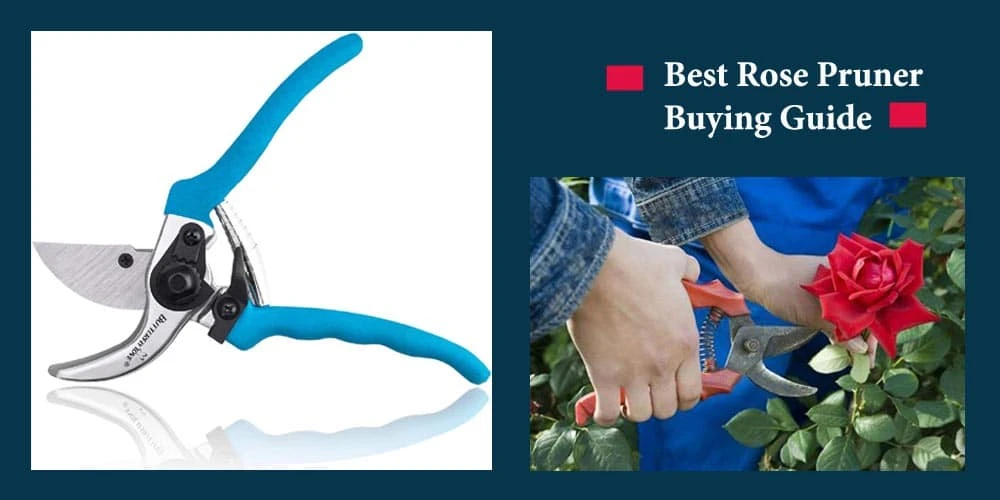
Choosing a rose pruner isn't complicated once you know what to look for. These four criteria account for the majority of purchasing decisions — get these right and you'll have a tool that serves you well through many seasons of rose care.
The single most important technical distinction in pruning shears is the blade mechanism. Bypass pruners use two curved blades that pass each other like scissors, making a clean slice through the cane. Anvil pruners use a single blade pressing down onto a flat metal plate, which crushes the cane tissue as it cuts. For roses, this distinction is critical. Crushed cane tissue heals slowly, leaves jagged edges, and creates entry points for fungal diseases like botrytis and canker. Every professional rose gardener and every horticulturalist recommends bypass pruners for roses without exception. According to Wikipedia's overview of pruning shears, bypass pruners are the preferred type for live plant material precisely because they cause minimal tissue damage. Every tool on this list is a bypass pruner — that's not a coincidence.
A pruner that doesn't fit your hand properly will fatigue you faster, reduce your cutting accuracy, and potentially contribute to repetitive strain injury over a long season. You need the handle to sit comfortably in your palm with your fingers wrapping naturally around the grip without overextension. Smaller hands generally do better with 7.5-8 inch pruners like the Felco F6 or the Fiskars; standard to large hands have more flexibility and often get better leverage with 9-9.5 inch tools like the Felco F2 or ARS HP-VS8Z. If hand fatigue is already an issue for you, a revolving handle (Felco F6) or an electric option (Zenport EP108 or the brushless electric) addresses the root cause rather than just managing the symptom.
Roses vary dramatically in cane diameter depending on species, age, and cultivation style. Hybrid tea roses and modern shrub roses typically produce canes in the 0.25-0.75 inch range, well within the capacity of any manual pruner on this list. Old garden roses, climbing roses, and mature established specimens can produce woody canes reaching 1 inch or more. Electric pruners with capacities of 1-2.75 inches handle this growth without effort or strain. Before buying, take stock of your specific roses: if you're growing a classic English rose garden with established specimens several years old, invest in a tool with capacity to match. A blade working at the limit of its rated capacity will crush before it cuts cleanly — which defeats the entire purpose of a bypass pruner.
The cheapest pruner at the garden center is rarely the most economical choice over three to five years. Hardened steel blades, forged aluminum or steel handles, and replaceable components are the hallmarks of tools built to last. The Felco system is the gold standard here — every component individually replaceable, handles guaranteed for life. ARS and WOLF-Garten are similarly serious about material quality. For electric pruners, brushless motors outlast brushed motors significantly under equivalent workload — if you're investing in an electric tool, the brushless upgrade on the 700W model on this list is worth the additional cost over cheaper brushed alternatives. Buy quality once rather than budget replacements every two seasons.
Bypass pruners are universally recommended for roses. They make a clean, scissor-like cut that minimizes tissue damage and reduces disease entry points. Anvil pruners crush cane tissue as they cut, which is damaging to live rose growth and slows healing. All the pruners reviewed on this page are bypass-style for exactly this reason.
Most roses benefit from light pruning every 2-3 weeks during the growing season to remove spent blooms and encourage reblooming. Hard pruning — cutting back to the main structure — is typically done once a year in late winter or early spring just as the leaf buds begin to swell. Deadheading throughout the season keeps the plant focused on new growth rather than seed production.
Make cuts at a 45-degree angle, slanting away from the bud you're cutting above. This angle allows water to shed off the cut surface rather than sitting on it, which reduces the risk of rot and fungal disease. Cut about a quarter inch above the outward-facing bud to encourage open, outward-growing structure.
Yes — especially when you're dealing with diseased canes or moving between multiple rose plants. Wiping blades with a 70% isopropyl alcohol solution or a diluted bleach solution between cuts prevents the spread of fungal and bacterial diseases from plant to plant. This is standard practice among professional rosarians and makes a measurable difference in garden health over a full season.
Electric pruners are genuinely worth considering if you manage more than 10-15 rose plants, experience hand or wrist fatigue with manual tools, or deal with older established plants with thick woody canes. For a small collection of three to five roses, a quality manual bypass pruner like the Felco F2 or F6 is all you need. The calculus changes with volume and physical constraints — electric options remove the hand-strain variable entirely.
Wipe blades clean and dry after every use to prevent rust. Sharpen with a whetstone or diamond file when you notice the blade dragging rather than slicing cleanly — typically once or twice per season for light users, more frequently for heavy use. For Felco models, blade replacement is often more economical than repeated sharpening. Apply a light coat of camellia oil or tool oil to the blade after cleaning to protect the steel and keep the mechanism moving smoothly.
The right rose pruner is one of the most impactful investments you can make in your garden's long-term health — cleaner cuts mean faster healing, fewer disease problems, and more blooms season after season. Whether you choose the professional-grade Felco F2 for its lifetime durability, the ergonomic F6 for wrist comfort, or one of the powerful electric options for high-volume work, every tool on this 2026 list will outperform anything generic at a big-box store. Head to our outdoor planter pots guide to build out the rest of your rose setup, and make your choice today — your roses will show you the difference by the next blooming cycle.
 |
 |
 |
 |

About Truman Perkins
Truman Perkins is a Detroit-based SEO consultant who's been in the business for over a decade. He got his start helping friends and clients get their websites off the ground, and he continues to do so today. In his free time, Truman enjoys learning and writing about gardening - something he believes is a natural stress reliever. He lives with his wife, Jenny, and their twins in Detroit.


Get new FREE Gifts. Or latest free growing e-books from our latest works.
Disable Ad block to reveal all the links. Once done, hit a button below
|
|
|
|
 rinjal