The best herbs to grow indoors — basil, chives, parsley, mint, marjoram, and rosemary — are within reach of anyone with a bright windowsill and a few well-chosen pots. Our team has grown all six successfully inside, and the results have been consistent: fresh leaves on demand, no outdoor plot required, and a genuine upgrade to everyday cooking. For a broader look at growing edible plants at home, our plants, herbs, and farming guides cover everything from seed selection to harvest technique.

Indoor herb growing works best when approached with the right expectations. Most culinary herbs evolved in Mediterranean or subtropical climates — bright sun, well-drained soil, and relatively dry conditions. A south-facing window and a quality potting mix can replicate those conditions surprisingly well. Our experience consistently shows that light is the single biggest factor separating thriving indoor herbs from weak, underperforming ones. Everything else — watering cadence, pot size, fertilizer — matters, but without adequate light, none of the other variables save a struggling plant.
What follows is our team's complete indoor herb guide: which herbs to prioritize, how to set them up correctly, the pitfalls that trip up most beginners, and the long-term habits that keep plants productive for months. We've grounded our recommendations in established horticultural understanding of herb biology alongside hands-on testing across multiple growing seasons.
Contents
Not every herb adapts well to life inside. Our team has trialed many varieties over the years and narrowed the shortlist to six that consistently deliver robust flavor, manageable growth habits, and genuine tolerance for the variable conditions of a home environment. These are the ones our team grows every season without exception.
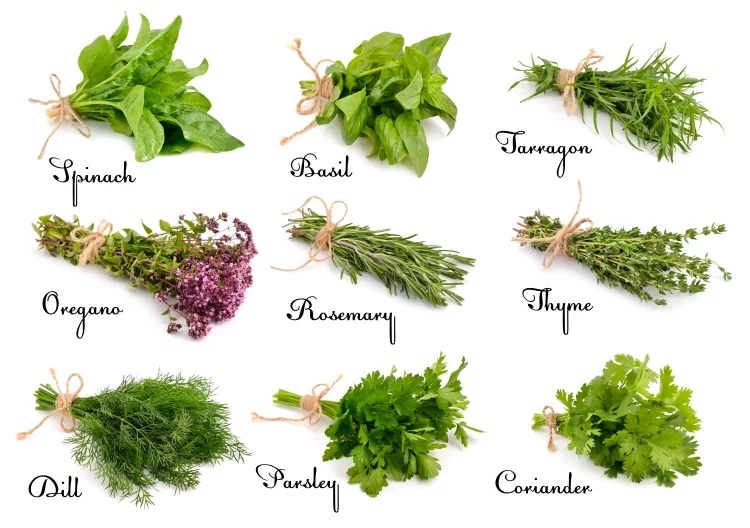
Basil is the crown jewel of the indoor chef's garden. It grows fast, responds immediately to regular harvesting, and fills the surrounding space with a fragrance that signals the plant is healthy and producing at full capacity. Basil requires at least six hours of direct sunlight daily — a south-facing window is ideal, and a dedicated grow light fills the gap when natural light falls short. Pinch off flower buds the moment they appear; once basil bolts, leaf production stalls and the flavor turns bitter within days. A single four-inch pot kept well-lit and consistently moist can supply enough leaves for weekly pasta dishes.

Chives are the lowest-maintenance herb on this list by a significant margin. They tolerate partial shade better than most culinary herbs, recover quickly from heavy cutting, and regrow with impressive speed. Our team keeps a chives pot on a moderately bright east-facing windowsill with zero intervention between waterings. Harvest by snipping leaves down to about two inches above the soil — this encourages bushy, dense regrowth rather than thin, weak shoots that never amount to much. Chives also thrive in slightly smaller containers, making them the natural choice for cramped kitchen counters.

Parsley is a biennial that performs like an annual indoors — most growers get a full productive season from a single planting. Both flat-leaf (Italian) and curly varieties adapt well to containers, though our team prefers flat-leaf for cooking: the flavor is more concentrated and the texture holds up in cooked dishes where curly parsley fades. Parsley is slow to germinate from seed (up to three weeks), so starting with nursery transplants saves considerable time. It appreciates consistent moisture and genuinely resents drying out completely between waterings.

Mint is vigorous to the point of aggression outdoors, but in a container it becomes entirely manageable — even well-behaved. Our team grows spearmint and peppermint in individual pots, keeping them isolated so the roots don't overwhelm neighboring herbs. Mint prefers slightly more moisture than other Mediterranean herbs and tolerates lower light reasonably well, making it a practical choice for rooms without strong direct sun. For teas, cocktails, and desserts, a healthy indoor mint plant delivers more value per square inch than almost any other kitchen herb.
Marjoram is the subtler, sweeter sibling of oregano — less aggressive in flavor, more refined in character, and underused in most home kitchens. It's drought-tolerant, compact, and well-suited to container growing. Our team finds that marjoram performs best in terracotta pots, which wick excess moisture away from the roots and prevent the root rot this herb is susceptible to when overwatered. The rule our team follows: allow the top inch of soil to dry completely before watering, and position the pot in the brightest available spot.

Rosemary is a long-lived woody shrub capable of becoming a permanent fixture in any indoor herb setup. It's slow to establish but, once settled, requires minimal intervention and continues producing aromatic sprigs for years. The primary threat to indoor rosemary is overwatering — our team treats it closer to a succulent than a leafy herb, allowing the soil to dry thoroughly before adding more water. Good air circulation matters too; stagnant humid air encourages powdery mildew, which spreads quickly and weakens the plant. Given the right conditions, rosemary earns its space many times over.

Equipment choices make a significant and underappreciated difference in indoor herb success. The wrong pot or soil mix can undermine even the best light conditions. Our team has tested a wide range of combinations and settled on clear recommendations that hold up across all six herbs.
Container material affects moisture retention more than most people realize. Our team has found that the choice of planter pot type genuinely shifts outcomes depending on which herb is being grown. Terracotta breathes and dries quickly — ideal for rosemary and marjoram. Glazed ceramic retains moisture longer — better for mint and parsley. Whatever material is chosen, drainage holes are non-negotiable.
| Herb | Light Needs | Watering | Container Size | First Harvest |
|---|---|---|---|---|
| Basil | Full sun (6+ hrs) | Keep consistently moist | 4–6 inches | 3–4 weeks |
| Chives | Moderate (4+ hrs) | Allow slight drying | 4–6 inches | 3–4 weeks |
| Parsley | Bright indirect | Keep consistently moist | 6–8 inches | 5–8 weeks |
| Mint | Partial shade OK | Keep consistently moist | 6–8 inches | 4–6 weeks |
| Marjoram | Full sun (6+ hrs) | Allow to dry fully | 4–6 inches | 4–6 weeks |
| Rosemary | Full sun (6+ hrs) | Allow to dry fully | 6–8 inches | 8–10 weeks |
Standard garden soil is too dense for containers — it compacts over time, restricts drainage, and frequently carries pathogens. Our team uses a quality indoor potting mix amended with 20–30% perlite across all six herbs. This creates the loose, well-draining structure that prevents the anaerobic conditions that kill roots. For organic fertility, worm castings added at potting time provide slow-release nutrients without the burn risk that concentrated liquid fertilizers carry when applied to newly transplanted herbs.
During winter months, natural light often falls below what culinary herbs require to remain productive. Our team relies on LED grow lights positioned 6–12 inches above the foliage and run for 14–16 hours daily. A full-spectrum LED mimics the sun exposure these herbs receive in their native climates. The investment pays for itself quickly — herbs that would otherwise go dormant through winter continue producing through the shortest days of the year.

Most indoor herb failures trace back to the same handful of errors. Our team has made nearly all of them at some point, and understanding what goes wrong — and exactly why — is what separates growers who struggle to keep herbs alive from those who harvest confidently every week.
Overwatering is the leading cause of indoor herb death, and it kills plants silently. Root rot sets in well before visible symptoms appear — by the time leaves yellow and droop, the damage is usually irreversible. The fix is straightforward: water only when the top inch of soil is dry, and always empty saucers after watering so roots don't sit in standing water overnight.
Pro tip: Push a finger one inch into the soil before watering — if it feels damp at all, wait another day. Our team has found this single habit prevents the majority of herb losses in indoor growing setups.
Many people place herb pots on kitchen counters far from windows, then wonder why growth is slow and stems are spindly. Herbs stretched toward a distant light source develop weak structure and dramatically diluted flavor — the essential oils that define culinary quality only concentrate in plants receiving adequate photosynthetically active light. If natural light is limited to less than four hours of direct sun daily, supplemental lighting is not optional; it's essential.
Pulling individual leaves from the base of stems stresses the plant and reduces future yield. The correct technique — pinching from the top, just above a leaf node — encourages branching and keeps production high. Our team also holds firm to the one-third rule: never remove more than one-third of the plant's foliage in a single harvest. Taking more can shock the root system and stall regrowth for weeks.
Timing harvests correctly is one of the most undervalued skills in herb growing. Our experience shows that both under-harvesting and over-harvesting carry real costs — and knowing when restraint is the right call matters just as much as knowing when to cut.
The optimal harvest window for most herbs falls just before flowering. At this stage, essential oil concentration — which determines flavor intensity — peaks in the leaves. For basil, that means watching for the first signs of a flower spike and harvesting proactively. For chives and parsley, regular cutting at any growth stage maintains quality as long as the plant retains enough foliage to continue photosynthesizing at a healthy rate.
Warning: Never harvest from a recently transplanted herb still adjusting to its new container — our team recommends waiting at least two full weeks after transplanting before taking the first cut, regardless of how established the plant looks.
Rosemary and marjoram in particular benefit from patience early on. Both are slower-growing than basil or chives, and aggressive early harvesting can permanently weaken young plants before their root systems develop the reserves needed for rapid regrowth. Our team waits until rosemary has developed multiple branching stems — typically 8–10 weeks after planting — before harvesting regularly. Marjoram can be cut earlier, around six weeks in, but even then, only tips and upper sprigs should be removed.
Even with supplemental lighting, indoor herbs follow natural seasonal rhythms. Growth slows in winter as day length shortens and ambient temperatures drop. Our team reduces harvest frequency during these months, allowing plants to maintain enough leaf mass to sustain healthy photosynthesis until spring light returns. Pushing hard harvests through winter is a reliable path to exhausted plants that never fully recover — the patience required is modest, and the payoff in spring productivity is substantial.
The most productive indoor herb setups our team has encountered share one defining quality: they're built for the long game rather than a single season. A short-term mindset — grabbing a grocery store herb pot and expecting it to last — produces repeated disappointments. A long-term approach treats the indoor garden as a living system that rewards consistent attention.
Succession planting is the cornerstone of an uninterrupted herb supply. Rather than planting all six herbs simultaneously and watching them age and bolt together, our team staggers new basil and parsley plantings every six to eight weeks. This ensures there's always a young, vigorous plant ready to replace one that's bolted, aged out, or been harvested to exhaustion. The overhead is minimal — a few seeds or a nursery transplant — and the return is a kitchen that never runs short of fresh herbs.
Repotting becomes necessary every 12–18 months as roots fill the container and soil structure degrades. Our team repots into containers one size larger, refreshes the potting mix entirely, and takes the opportunity to evaluate the plant's overall health. For woody herbs like rosemary, this is also the moment to prune for shape and remove dead or damaged stems. Light, consistent fertilizing — a half-strength liquid feed every three to four weeks during active growth — sustains long-term productivity without pushing the watery, flavorless growth that over-fertilizing causes. For detailed profiles of specific herb varieties and their individual needs, the Herbs A–Z directory is a resource our team returns to regularly.
Chives are consistently the most forgiving herb for beginners. Our team recommends them first because they tolerate lower light, recover quickly from cutting, and rarely suffer from the overwatering issues that plague other herbs in the early stages of indoor growing.
Most culinary herbs require a minimum of four to six hours of direct sunlight daily. South-facing windows provide the most reliable natural light. When natural light falls below this threshold — especially in winter — a full-spectrum LED grow light run for 14–16 hours daily compensates effectively.
Our team advises against it. Mint is invasive and will outcompete neighboring roots. Rosemary and marjoram prefer dry conditions that would stress parsley and mint. Individual pots allow each herb to receive the specific watering cadence it requires, which makes a measurable difference in long-term health.
Our team applies a diluted liquid fertilizer at half the recommended dose every three to four weeks during the active growing season. Over-fertilizing produces lush but flavorless growth. In winter, when growth naturally slows, fertilizing can be suspended entirely until spring.
Yellowing leaves most commonly indicate overwatering and early root rot, though nutrient deficiency and insufficient light can produce similar symptoms. Our team diagnoses by checking the soil moisture first — if the soil is consistently wet, root rot is the likely cause and watering frequency must be reduced immediately.
It depends heavily on the herb. Basil is an annual that typically lasts one growing season before bolting permanently. Mint, chives, and parsley can last multiple seasons with proper care. Rosemary and marjoram are perennials that, when well-maintained indoors, can grow productively for several years.
 |
 |
 |
 |

About Christina Lopez
Christina Lopez grew up in the scenic city of Mountain View, California. For eighteen ascetic years, she refrained from eating meat until she discovered the exquisite delicacy of chicken thighs. Christina is a city finalist competitive pingpong player, an ocean diver, and an ex-pat in England and Japan. Currently, she is a computer science doctoral student. Christina writes late at night; most of her daytime is spent enchanting her magical herb garden.


Get new FREE Gifts. Or latest free growing e-books from our latest works.
Disable Ad block to reveal all the links. Once done, hit a button below
|
|
|
|
 rinjal