African violets are among the most popular indoor flowering plants in the world — and here's a number that might surprise you: over 500 distinct cultivars of Saintpaulia have been developed since the plant was first discovered in East Africa in 1892. Yet despite their popularity, most growers lose their violets to one completely avoidable mistake: using the wrong soil. Standard potting mix suffocates the roots, traps too much water, and throws off the pH balance these plants need to bloom. In 2026, choosing the right African violet soil is still the single biggest factor separating a thriving, blooming plant from a struggling one.
African violets need light, airy, well-draining soil with a slightly acidic pH between 5.8 and 6.5. They're prone to root rot if water sits around their roots, and they can't pull nutrients from soil that's too alkaline. You can browse our full gardening reviews for more plant care guides, but this post focuses specifically on the best African violet soils you can buy right now. We've tested and evaluated each mix based on drainage, texture, pH balance, and real-world results from growers.
Whether you're repotting a new violet for the first time or refreshing the soil on an established plant that's stopped blooming, this guide cuts through the noise. Below you'll find honest reviews of the top picks, a soil sterilization guide tip where it matters, and a buying guide so you know exactly what to look for. Let's dig in.

Contents
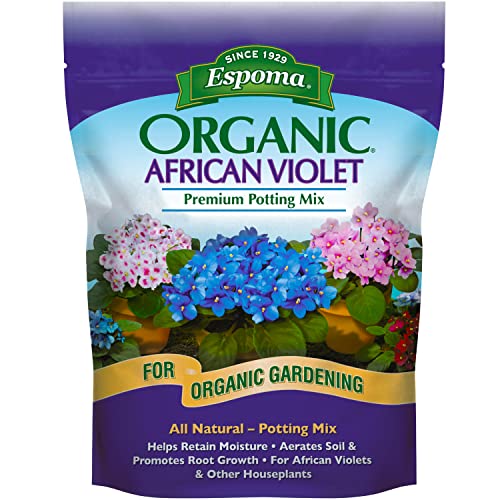


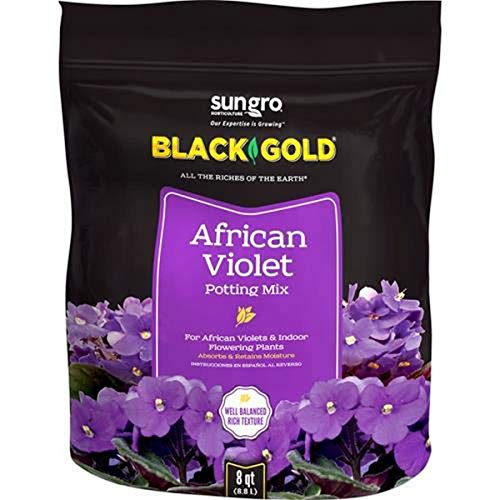


Espoma has been making trusted organic soil amendments for decades, and their African violet mix lives up to that reputation. The blend centers on sphagnum peat moss (the gold-standard base for African violet soil), combined with humus, perlite (volcanic rock that improves drainage), and yucca extract — a natural wetting agent that helps water distribute evenly without pooling. This 4-quart bag is ideal for one to three small pots depending on the pot size you're working with.
What makes this mix stand out is that it's certified organic and does not contain synthetic fertilizers. Your violets get a clean, natural growing environment right from the bag. The texture is noticeably light and airy — you can squeeze it and it bounces back, which tells you the roots will have room to breathe. Growers who have switched from generic potting mix to this product consistently report seeing new blooms within a few weeks of repotting. It works equally well for new starts and for established plants that need a refresh.
The pH is adjusted for African violets specifically, landing in that sweet spot between 5.8 and 6.2. You won't need to add lime or sulfur to correct the pH after purchase. Use it straight from the bag — no amendments needed for most situations.
Pros:
Cons:
Black Gold is a name you'll see recommended again and again in serious plant communities, and for good reason. Sun Gro's African Violet Mix layers four powerful ingredients: sphagnum peat moss for moisture retention, perlite for drainage, volcanic pumice for extra aeration, and earthworm castings (natural fertilizer) for slow-release nutrients. Dolomite lime is added to buffer the pH into the correct acidic range. This is a thoughtfully engineered blend — not just basic peat and filler.
The volcanic pumice is what sets this mix apart from most competitors. Pumice particles are porous at a microscopic level, which means they hold onto just enough moisture to keep roots hydrated while simultaneously creating air channels that prevent compaction. If your African violets have ever suffered from root rot, switching to this mix will make a noticeable difference. The earthworm castings also give you gentle, slow-release nutrition that won't burn roots the way synthetic fertilizer spikes can.
This mix is made in the United States and arrives well-packaged. It's slightly heavier than some competitors because of the pumice content, but the drainage performance is worth it. It works best in pots with proper drainage holes — pair it with a terracotta or unglazed ceramic pot for optimal results.
Pros:
Cons:
Miracle-Gro is a household name in gardening, and their African violet-specific potting mix is one of their stronger specialized products. This 2-pack gives you 16 quarts total — enough to repot a sizeable collection or fill several medium pots without running out mid-project. The formula is blended specifically for African violets, with the right pH range and a lightweight structure that discourages root rot.
The built-in fertilizer feeds your plants for up to six months after potting, which means you get a hands-off head start on nutrition. For new growers who aren't yet comfortable with fertilizer schedules, this is a genuine advantage. The mix produces noticeably large, vibrant blooms when used as directed — the phosphorus balance in the built-in feed supports flower production specifically, not just leafy green growth.
One thing to be aware of: because this mix contains fertilizer salts, you'll want to flush the soil with plain water every few months to prevent salt buildup on the roots. It's a small maintenance step that most experienced growers already do, but first-timers should know about it. Overall, this is an excellent pick if you have multiple plants and want reliable, consistent results without spending a lot per quart.
Pros:
Cons:
Hoffman has been a reliable name in specialty potting soils for years. Their 4-quart organic African violet mix hits a sweet spot between quality and affordability that's hard to beat. The mix is specifically formulated to provide the optimum growing medium for all African violet types — miniature, standard, and trailing varieties alike. It's light and loose right out of the bag, which is exactly what you want when you're working with these plants.
The open, porous structure means roots can establish quickly and access oxygen easily. Healthy root systems translate directly into healthy foliage and consistent blooming, and Hoffman's mix delivers on that promise. Growers who have used this for years report that their violets maintain a compact, attractive shape rather than getting leggy — a sign that the soil isn't stressing the plant.
Because this mix doesn't include built-in fertilizer, you'll need to supplement with a liquid African violet fertilizer on a regular schedule — something like every two to four weeks during the growing season. If you're already experienced with fertilizing houseplants, that's not an issue at all. For budget-conscious growers who want organic soil and don't mind handling their own feeding routine, Hoffman is a smart buy. You can also check our guide on organic fertilizers you can prepare at home if you want to go fully natural with your feeding approach.
Pros:
Cons:
rePotme is a brand built specifically for serious houseplant enthusiasts, and their African Violet Imperial mix reflects that. Unlike mass-market products that sit in warehouses for months, rePotme mixes are made fresh — a point they emphasize, and one that matters because fresh peat and bark components retain their structure better than aged, compressed materials. If you've ever opened a bag of soil and found it's turned into a compacted brick, you know why freshness matters.
The mix is designed for fantastic drainage while still absorbing the ideal amount of water — a balance that's harder to achieve than it sounds. Too much drainage and your violets dry out between waterings; too little and you risk root rot. rePotme threads that needle well. The texture is consistent throughout the bag, with no large chunks or debris that you'd need to sift out. It's a genuinely hassle-free experience from bag to pot.
The mini bag size is practical for growers who rotate soil regularly or only have a few plants. Because it's made fresh, you're not paying for a product that's been sitting in a warehouse losing its structure. rePotme is the pick for growers who take their violet collection seriously and want a premium product with no compromises.
Pros:
Cons:
Perfect Plants takes a straightforward, no-chemicals approach with their African violet substrate (growing medium). The mix uses horticultural-grade pine bark compost, perlite, peat moss, and garden lime — all natural materials, no synthetic fertilizer added. Every ingredient has a clear purpose: pine bark compost improves aeration and adds organic matter; perlite drains excess water; peat moss retains ideal moisture; lime buffers pH into the slightly acidic range violets prefer.
The result is a substrate that works for both indoor and outdoor African violet growing. The moisture control is impressive — even in small decorative pots that don't have great drainage, this mix drains well enough that the risk of waterlogging is low. That's a meaningful advantage if you're growing in pots without drainage holes, though we'd always recommend using pots with holes when possible.
At 2 quarts, this is a smaller bag aimed at hobbyists with a modest collection. If you're growing just a few violets on a windowsill, this size is practical and won't leave you with half a bag of leftover soil drying out in the garage. It's ready to use straight from the bag and works across all African violet varieties — miniature, standard, semi-miniature, and trailing types. According to Wikipedia's overview of Saintpaulia, African violets in their natural habitat grow in well-drained, rocky soil with high organic matter — and this mix closely mirrors those conditions.
Pros:
Cons:
Schultz African Violet Plus isn't a potting soil — it's the liquid plant food you need to pair with any unfertilized soil mix on this list. The 8-14-9 NPK ratio (nitrogen-phosphorus-potassium) is engineered for African violets specifically. That high middle number (14 phosphorus) is key: phosphorus drives flower production, which is exactly what you're trying to maximize with these plants. Nitrogen keeps foliage healthy; potassium supports root strength and disease resistance.
The liquid concentrate format makes dosing easy and precise. You add a few drops to your watering can each time you water — no measuring tablespoons or guessing at granule amounts. This approach also prevents the salt buildup that slow-release fertilizer spikes can cause over time. Because you're feeding in small amounts with every watering, the nutrients stay consistent rather than spiking and crashing.
If you've chosen an unfertilized soil like Hoffman, Perfect Plants, or rePotme, this is your ideal companion product. It's also worth knowing that soil quality and fertilizer quality go hand in hand — even the best soil won't compensate for nutrient deficiency over time. If you want to understand more about building a complete nutrient cycle for your plants, our roundup of how to prepare your own potting soil at home covers the basics of soil nutrition from the ground up. Pair Schultz with any good African violet mix and you're covering both bases.
Pros:
Cons:
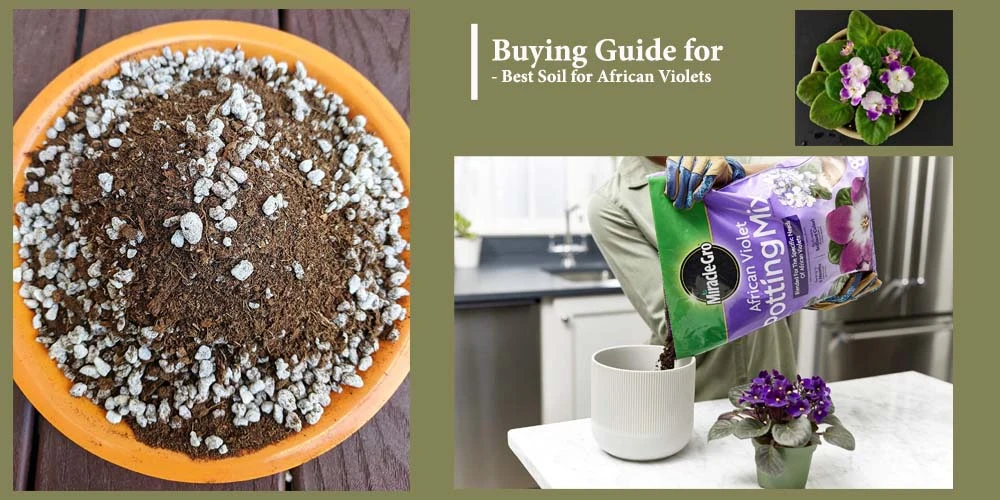
Picking African violet soil isn't complicated once you know what the plant actually needs. These are the factors that matter most in 2026, based on what consistently separates thriving violets from struggling ones.
This is the most important factor — bar none. African violet roots need oxygen. In heavy, compacted soil, roots suffocate and rot sets in quickly. You want a mix that stays fluffy and open, never turning into a dense mud when wet. Look for these ingredients as indicators of good drainage:
If you squeeze a handful of the mix and it clumps into a solid ball that doesn't break apart easily, it's too dense. Good African violet soil should fall apart when you open your hand.
African violets need a soil pH between 5.8 and 6.5 — that's slightly acidic. Standard potting mix is often pH 6.5 to 7.0, which is too neutral or even alkaline for these plants. Outside the right pH range, your violet literally cannot absorb nutrients even if they're present in the soil. Check that any mix you buy is pH-adjusted for African violets or specifically states a slightly acidic range. Dolomite lime is the most common pH buffer used in specialty mixes — it keeps the pH stable over time.
African violets need moisture, but not waterlogging. The ideal mix holds enough water to keep roots hydrated between waterings while draining the excess immediately. Sphagnum peat moss is the standard moisture-retention ingredient in most African violet mixes — it absorbs water readily but releases it slowly, giving roots steady access without saturation. If you're growing in a very dry climate or your home has low humidity, look for mixes with a higher peat ratio. If your home is humid or you tend to overwater, prioritize mixes with extra perlite or pumice. You can also check our guide on how to sterilize soil for planting if you're working with any homemade or amended mixes before use.
Some African violet soils come pre-loaded with fertilizer; others are unfertilized. Both approaches work, but they suit different growers.
If you're new to African violets, pre-fertilized is the easier starting point. If you're an experienced grower with an established routine, unfertilized mixes give you more flexibility.

Bigger bags aren't always better. Peat-based mixes degrade over time — the structure breaks down, and the pH can shift. If you only have a few plants, buy smaller bags more often rather than one giant bag that sits open in your garage for a year. Brands like rePotme explicitly market their product as freshly made, which is a real advantage. For larger collections, buying in bulk from reputable brands like Miracle-Gro or Sun Gro (which turn over stock quickly) is fine.
The classic DIY ratio recommended by experienced growers is 50% peat moss, 25% perlite, and 25% vermiculite. This combination provides the right moisture retention, drainage, and aeration balance. That said, the pre-made mixes on this list are already formulated close to this ratio — you can use them straight from the bag without any adjustments in most cases.
You can, but you shouldn't. Standard potting mix is typically too dense and too high in pH for African violets. It holds too much water and doesn't drain freely enough, which leads to root rot. At minimum, mix regular potting soil 50/50 with perlite to improve drainage. But for best results in 2026, just use a mix designed specifically for African violets — it's not significantly more expensive and the results are dramatically better.
Repot every 12 to 18 months, or when you see roots circling the bottom of the pot or growing out of the drainage holes. African violets actually prefer to be slightly root-bound (roots filling most of the pot), so don't rush to a larger container — go up only one pot size at a time. When repotting, always use fresh soil to restore nutrients and soil structure.
African violets thrive in slightly acidic soil with a pH between 5.8 and 6.5. Outside this range, the plant cannot efficiently absorb nutrients like iron, manganese, and phosphorus — all of which affect blooming and foliage health. Most specialty African violet mixes are pre-adjusted to this range using dolomite lime. If you're mixing your own soil, test the pH with an inexpensive soil pH meter before potting.
Slightly moist — not soaking wet and not bone dry. Bone-dry peat moss is hydrophobic (it actually repels water initially) and won't absorb moisture evenly when you first water after potting. Slightly pre-moistened soil ensures even moisture distribution from the start. If your bag of mix feels completely dry, add a small amount of water and mix it through before using it.
Perlite is not strictly required, but it's strongly recommended. Perlite is the most effective ingredient for preventing soil compaction and improving drainage — the two biggest risk factors for root rot in African violets. Without perlite, even a good peat-based mix can become dense over time as the organic matter breaks down. All the top mixes on this list include perlite or an equivalent like pumice for this reason.
 |
 |
 |
 |

About Christina Lopez
Christina Lopez grew up in the scenic city of Mountain View, California. For eighteen ascetic years, she refrained from eating meat until she discovered the exquisite delicacy of chicken thighs. Christina is a city finalist competitive pingpong player, an ocean diver, and an ex-pat in England and Japan. Currently, she is a computer science doctoral student. Christina writes late at night; most of her daytime is spent enchanting her magical herb garden.


Get new FREE Gifts. Or latest free growing e-books from our latest works.
Disable Ad block to reveal all the links. Once done, hit a button below
|
|
|
|
 rinjal