Yes, growing avocado plants indoors is entirely possible — and simpler than most people think. Whether you start from a pit or a nursery seedling, an avocado can thrive as a lush houseplant with the right light, soil, and watering routine. You won't harvest grocery-store-sized fruit from a windowsill tree, but you will get a striking tropical plant that cleans your air and looks fantastic year-round. If you're exploring the world of plants, herbs, and farming, an indoor avocado is one of the most rewarding projects you can take on.
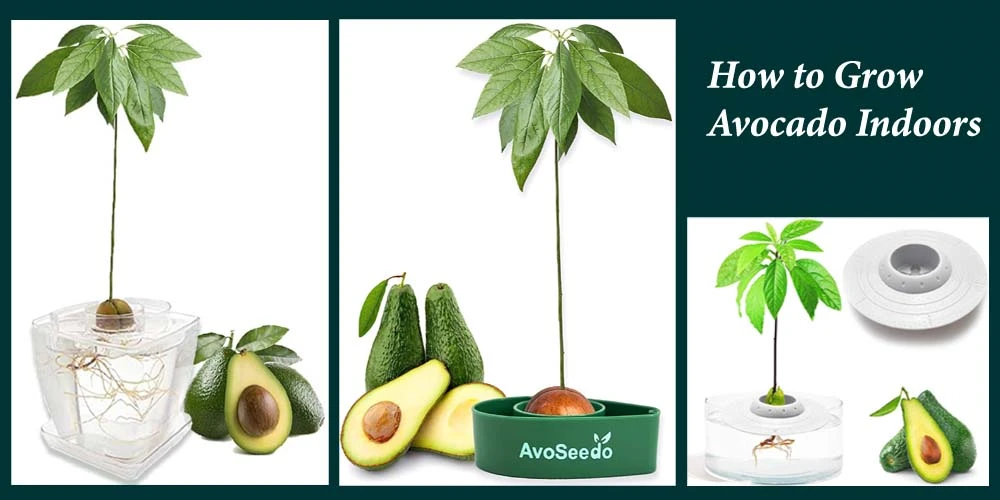
Avocados (Persea americana) are native to Central America and Mexico, where they grow into massive trees reaching 60 feet or more. Indoors, you're working with a fraction of that space, and the plant adapts surprisingly well. Most indoor avocados stay between three and six feet tall with regular pruning, making them manageable for apartments, sunrooms, and bright living rooms.
The real key is setting expectations. Growing avocado plants indoors is more about the foliage than the fruit. Pit-grown avocados can take seven to fifteen years to fruit — if they ever do — and indoor conditions rarely provide the pollination needed. That said, dwarf and grafted varieties shorten that timeline significantly. Either way, the glossy green leaves alone make the effort worthwhile.
Contents
Before you grab a pit from your next avocado toast, it helps to know what you're actually getting out of growing avocado plants indoors. The reasons go beyond just having a trendy houseplant on your shelf.
Avocado plants bring a bold, tropical look to any indoor space. Their large, leathery leaves create visual impact that smaller houseplants can't match. A single avocado tree in a bright corner can anchor an entire room's design.
If you enjoy caring for slow-growing specimen plants like aloe vera, avocados scratch that same itch — with bigger visual payoff once they fill out.
Growing an avocado from a pit is one of the best introductions to plant biology. You can literally watch the root system develop through a glass of water. Kids love it, but honestly, so do adults. There's something deeply satisfying about turning kitchen waste into a living plant.
The germination process teaches patience. A pit can take two to eight weeks to crack open and send out a root, which is a useful lesson in how plants operate on their own schedule. It's also a zero-cost experiment — you're working with something you'd otherwise throw away.
Not every home is a good fit for an indoor avocado. These plants have specific needs, and understanding them upfront saves you from frustration later.
Your indoor avocado will do best when you can provide:
If your home gets strong natural light and stays reasonably warm, you're already in good shape. Understanding how plants process light even on overcast days can help you evaluate whether your space gets enough illumination. Even north-facing rooms can work with a quality grow light supplementing natural light.
Be honest with yourself about these deal-breakers:
Warning: All parts of the avocado plant except the fruit flesh contain persin. Keep your indoor avocado out of reach if you have pets that like to nibble on leaves.
Every houseplant involves trade-offs. Here's an honest look at what growing avocado plants indoors actually involves so you can decide whether it fits your lifestyle.
If you enjoy the process of tending a plant over months and years, the drawbacks are manageable. If you want instant gratification, consider faster-growing options first and come back to avocado when you're ready for a long-term commitment.
You have three main paths to growing avocado plants indoors: the classic pit method, direct soil planting, or buying a nursery start. Each has its place depending on your patience level and goals.
This is the approach most people know. It's hands-on, visual, and free.
The water method's biggest advantage is visibility. You watch the entire germination process unfold, which makes it easy to spot problems early. The downside is that the transition from water to soil can stress the plant — some seedlings stall for a few weeks after transplanting.
Pro tip: When transplanting from water to soil, leave the top half of the pit exposed above the soil line. Burying it completely increases the risk of rot.
Skip the toothpick setup entirely. This method produces stronger roots from day one because the plant never has to adjust from water to soil.
You lose the fun of watching roots grow through glass, but the plant establishes faster and transplant shock is eliminated since it's already in its growing medium. Understanding proper fertilizer ratios becomes important once the seedling is established — hold off on feeding until the plant has at least two sets of true leaves.
If your goal is the healthiest possible indoor tree — or even a slim chance at fruit — buy a grafted dwarf variety from a reputable nursery. Popular indoor-friendly cultivars include:
Grafted trees can fruit in as few as 3–4 years, compared to 7–15 for seed-grown plants. They also produce fruit true to the parent variety, while seed-grown avocados are genetic wildcards. The trade-off is cost — expect to pay $30–60 for a grafted dwarf.
Choosing the right starting method matters more than most guides let on. Here's how the three approaches stack up across the factors that actually matter for indoor growers.
| Factor | Pit in Water | Direct Soil | Nursery / Grafted |
|---|---|---|---|
| Cost | Free | $5–10 (soil + pot) | $30–60 |
| Time to Sprout | 2–8 weeks | 3–8 weeks | Already growing |
| Transplant Shock | Moderate | None | Minimal |
| Root Strength | Moderate (water roots) | Strong (soil roots) | Strongest (established) |
| Fruit Potential | Very low (7–15 yrs) | Very low (7–15 yrs) | Moderate (3–5 yrs) |
| Fun / Educational Value | High — visible roots | Medium | Low |
| Best For | Beginners, kids | Experienced growers | Fruit-focused growers |
If you're brand new to indoor gardening, start with the water method. It teaches you how avocado roots behave and gives you a visible feedback loop. Once you've seen one through to transplant, try the soil method next time for a sturdier plant.
If you already have experience managing indoor plants — maybe you've grown things in a 4×4 grow tent or kept a stone lotus plant alive through winter — go straight to a nursery dwarf. You'll appreciate the head start and the realistic shot at fruit production. The water method is charming, but for serious indoor tree growing, grafted stock is the practical choice.
Getting an avocado started is the easy part. Keeping it healthy indoors over months and years requires consistent attention to a few key areas. This is where growing avocado plants indoors becomes a real commitment — one that pays off with a stunning specimen plant.
Light is the single most important factor for indoor avocado health. Get this wrong and everything else becomes an uphill battle.
During winter months, reduced daylight can cause growth to slow or stop entirely. That's normal. The plant isn't dying — it's resting. Reduce watering to match the slower growth and resist the urge to over-fertilize during this dormant period.
Overwatering kills more indoor avocados than any other mistake. These plants want moist soil, not wet soil — the distinction matters enormously.
Watering guidelines:
Getting watering right for any plant takes practice. If you've worked through the basics of watering schedules for a vegetable garden, you already understand that frequency depends on season, temperature, and pot size. The same principles apply here.
Feeding schedule:
Avocados are moderate feeders. They don't need heavy fertilization, and too much nitrogen pushes leggy stem growth at the expense of leaf density.
Without pruning, an indoor avocado grows into a tall, spindly pole with leaves only at the top. Strategic pruning keeps the plant bushy and manageable.
For repotting, plan on moving up one pot size (2 inches in diameter) every 12–18 months for young plants. Signs it's time:
Repot in spring when the plant is entering its active growth phase. Use a pot with generous drainage holes and a well-draining mix — equal parts potting soil, perlite, and coarse sand works well for mature indoor avocados.
Indoor avocados face fewer pest threats than outdoor trees, but they're not immune. Watch for these common issues:
If pest issues spread to other houseplants, you may need a more systematic approach. Dealing with ants in the garden or other persistent pests follows similar principles — identify the pest, remove it physically, then apply targeted treatment rather than broad-spectrum chemicals.
The most common non-pest problems are environmental:
Most problems with growing avocado plants indoors trace back to one of three root causes: too much water, too little light, or inconsistent temperatures. Master those three factors and you'll avoid the vast majority of issues.
The pit typically sprouts in 2–8 weeks. From there, you'll have a small tree with several leaves within 3–4 months. Reaching a mature-looking houseplant of 3–4 feet takes roughly 2–3 years with proper care. Fruit production from a pit-grown avocado is rare indoors and can take 7–15 years if it happens at all.
It's possible but uncommon. Seed-grown avocados are genetically unpredictable and may never fruit. Grafted dwarf varieties like Wurtz or Gwen have a much better chance, potentially fruiting in 3–5 years. Even then, you may need to hand-pollinate since indoor environments lack natural pollinators. Manage your expectations — most indoor avocados serve as ornamental plants.
Brown leaf tips usually indicate low humidity, salt buildup in the soil from fertilizer or hard water, or fluoride sensitivity. Try misting the leaves regularly, flushing the soil with distilled water once a month, and switching to filtered water for regular watering. If entire leaves turn brown, check for root rot caused by overwatering or poor drainage.
They perform best with bright, indirect light and can tolerate some direct morning sun. Harsh afternoon sun through a south-facing window can scorch leaves during summer, so filtered light or a sheer curtain helps. Aim for at least 6 hours of bright light daily. If your space is dim, a full-spectrum LED grow light running 10–12 hours per day is an effective substitute.
 |
 |
 |
 |

About Truman Perkins
Truman Perkins is a Detroit-based SEO consultant who's been in the business for over a decade. He got his start helping friends and clients get their websites off the ground, and he continues to do so today. In his free time, Truman enjoys learning and writing about gardening - something he believes is a natural stress reliever. He lives with his wife, Jenny, and their twins in Detroit.


Get new FREE Gifts. Or latest free growing e-books from our latest works.
Disable Ad block to reveal all the links. Once done, hit a button below
|
|
|
|
 rinjal