What if one simple tea could ease your stress, settle your stomach, and support your heart — all from herbs you grow yourself? A solid holy basil and ginger tea recipe does exactly that, combining two of the most powerful medicinal plants into a single cup. Whether you're already growing herbs at home or just getting started, this blend deserves a permanent spot in your kitchen rotation.

Holy basil (Ocimum tenuiflorum), also known as tulsi, has been used in Ayurvedic medicine for thousands of years. Pair it with fresh ginger root and you get a tea that's anti-inflammatory, adaptogenic, and genuinely delicious. The best part? Both plants thrive in home gardens, containers, and even windowsills.
Below, you'll find everything from a straightforward recipe to growing tips, cost analysis, and troubleshooting — so you can make this blend a lasting part of your wellness routine.
Contents
This isn't just a feel-good herbal drink. Research backs up what traditional medicine has claimed for centuries. According to the National Institutes of Health, holy basil demonstrates significant adaptogenic, anti-inflammatory, and cardioprotective properties.
When you combine it with ginger, you get a potent blend that targets multiple systems:
No herb is perfect for everyone. Holy basil can lower blood sugar, which is great unless you're already on diabetes medication — in that case, monitor your levels closely. Ginger in large amounts may thin your blood slightly, so talk to your doctor if you take anticoagulants.
Pro tip: Start with one cup per day for the first week. Your body adjusts to adaptogens gradually, and you'll get better results with consistent moderate intake than with occasional large doses.
Pregnant women should limit ginger tea to one cup daily and consult their healthcare provider about holy basil, as it may stimulate uterine contractions in high doses.
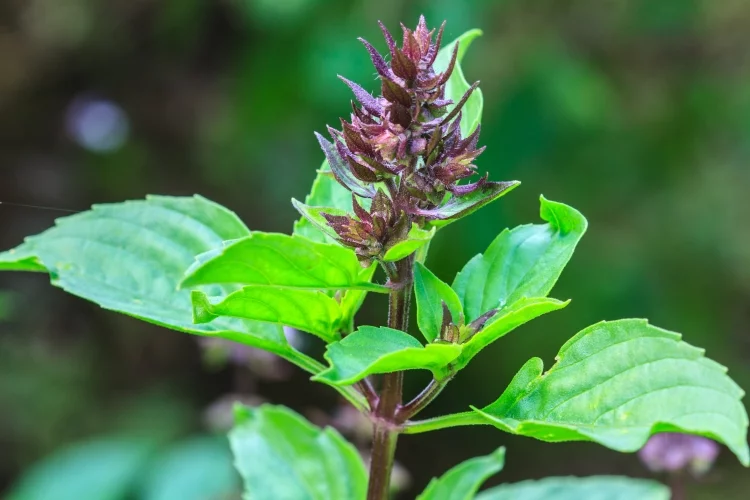
Your basic holy basil and ginger tea recipe requires just three ingredients and five minutes. Here's the method that works every time:
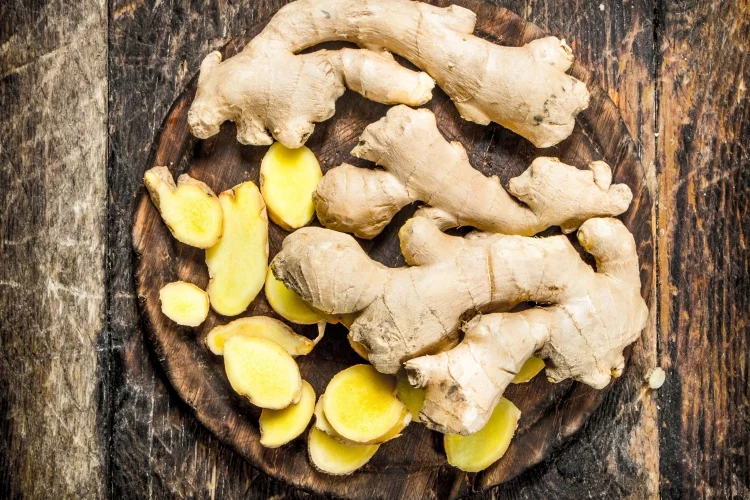
Fresh ingredients make a noticeable difference. If you're growing ginger root indoors, you already have the freshest source possible. Snap a piece right off the rhizome, give it a rinse, and slice it thin — no peeling necessary for homegrown ginger.
Once you've nailed the basics, experiment with these upgrades:
If you enjoy blending herbal teas, you'll find that hibiscus pairs beautifully with this recipe too — it adds tartness and extra heart-health benefits.
Gardeners who grow their own tulsi and ginger tend to develop consistent habits around this tea. The most common pattern is a morning cup before heading out to the garden and an evening cup to wind down.
Morning brewing works best with a stronger ginger ratio (1.5 inches per cup) for its energizing, circulation-boosting properties. Evening blends favor more holy basil (12–15 leaves) for its calming adaptogenic effect.
Warning: Don't steep holy basil for more than 7 minutes. Extended steeping releases excessive tannins that make the tea bitter and can upset sensitive stomachs.
Your garden dictates what you can add throughout the year:
Your holy basil and ginger tea recipe should taste earthy, slightly spicy, and aromatic. If something's off, here's what to adjust:
Dried holy basil from the store often sits on shelves for months, losing potency. Fresh leaves from your garden contain 3–5 times more eugenol than dried commercial varieties. If you must buy dried, look for whole-leaf tulsi from specialty suppliers — avoid powdered versions.
For ginger, avoid rhizomes that look wrinkled or feel soft. Firm, smooth skin means freshness. If you spot mold on stored ginger, cut at least an inch past the visible mold — the mycelium extends further than you can see.
Pro tip: Freeze extra ginger root whole. When you need it, grate it directly from frozen — it produces a finer texture and releases more juice than fresh-cut ginger.
Holy basil grows as an annual in most zones but thrives as a perennial in zones 10–12. You can grow it in containers indoors if you give it at least 6 hours of direct sunlight. Here's what it needs:
Start seeds indoors 6–8 weeks before your last frost date. Transplant once nighttime temps stay above 55°F. If you're short on sunny spots, check out herbs that tolerate lower light for companion planting ideas.
Ginger takes 8–10 months to mature, but you can harvest "baby ginger" after just 4 months. It's a perfect indoor crop because it actually prefers indirect light and warm, humid conditions. Your guide to growing ginger root indoors covers the full process, but the essentials are:
One rhizome piece produces enough ginger for daily tea within a single growing season. Plant three or four pieces and you'll have surplus to share.
Growing your own ingredients pays for itself fast. Here's how the numbers break down for a daily cup over one year:
| Item | Store-Bought (Annual) | Homegrown (Annual) | Savings |
|---|---|---|---|
| Holy basil (dried/fresh) | $72 – $120 | $3 – $5 (seeds + soil) | ~95% |
| Ginger root | $55 – $90 | $5 – $8 (starter rhizome + pot) | ~90% |
| Honey (local raw) | $35 – $50 | $35 – $50 | 0% |
| Pre-made tea bags (tulsi-ginger) | $110 – $180 | N/A | 100% |
| Total | $162 – $260 | $43 – $63 | ~70–75% |
The biggest savings come from ditching pre-made tea bags entirely. Commercial tulsi-ginger blends cost $6–$10 per box of 18 bags. Your garden produces the equivalent of hundreds of tea bags per season for the cost of a single packet of seeds.
Consider investing in quality tools for your herb garden — a solid set of pruning shears and containers makes the growing process easier. Check out our gardening tool reviews for recommendations that hold up season after season.
Even if you factor in potting soil, fertilizer, and containers, your first-year cost stays under $15 per plant. After that, you propagate from cuttings and saved rhizomes — making your annual cost nearly zero.
Yes. Most adults tolerate one to two cups daily without issues. Holy basil is classified as an adaptogen, meaning your body adjusts to it over time with consistent use. Start with one cup per day and increase after a week if desired.
Morning and early evening work best. The morning cup boosts circulation and mental clarity from the ginger, while an evening cup leverages holy basil's calming properties. Avoid drinking it right before bed if ginger tends to give you a warm, energized feeling.
You can, but fresh leaves contain significantly higher levels of essential oils and active compounds. Use one teaspoon of dried tulsi to replace 8–10 fresh leaves. Store dried basil in an airtight container away from light and use within six months.
Holy basil may lower blood sugar and has mild blood-thinning properties. Ginger also has anticoagulant effects. If you take diabetes medication, blood thinners, or blood pressure drugs, consult your doctor before making this a daily habit.
Fresh holy basil stays potent for 5–7 days when stored upright in a glass of water at room temperature, loosely covered with a plastic bag. Refrigeration causes the leaves to blacken quickly. For long-term storage, dry or freeze the leaves.
It's not ideal. Ginger prefers indirect light and consistently moist soil, while holy basil needs full sun and slightly drier conditions between waterings. Grow them in separate containers placed in different spots for the best results from both plants.
 |
 |
 |
 |

About Christina Lopez
Christina Lopez grew up in the scenic city of Mountain View, California. For eighteen ascetic years, she refrained from eating meat until she discovered the exquisite delicacy of chicken thighs. Christina is a city finalist competitive pingpong player, an ocean diver, and an ex-pat in England and Japan. Currently, she is a computer science doctoral student. Christina writes late at night; most of her daytime is spent enchanting her magical herb garden.


Get new FREE Gifts. Or latest free growing e-books from our latest works.
Disable Ad block to reveal all the links. Once done, hit a button below
|
|
|
|
 rinjal