reviewed by Truman Perkins
What if the spice you reach for every day is actually one of the most powerful health tools in your kitchen? It is — and black pepper health benefits are far more extensive than most people realize. This small dried berry delivers bioactive compounds that support digestion, sharpen cognitive function, and dramatically improve how your body absorbs nutrients from everything else you eat. If you grow or study herbs through Trinjal's plants, herbs, and farming guides, understanding what black pepper does beyond the garden adds serious value to your practice.
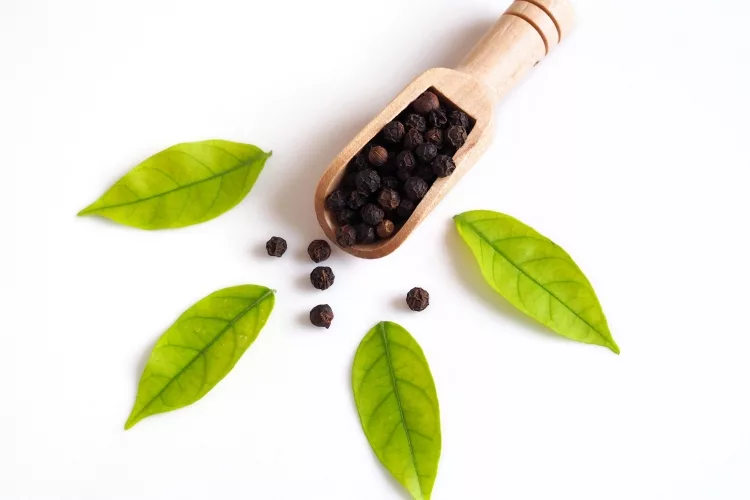
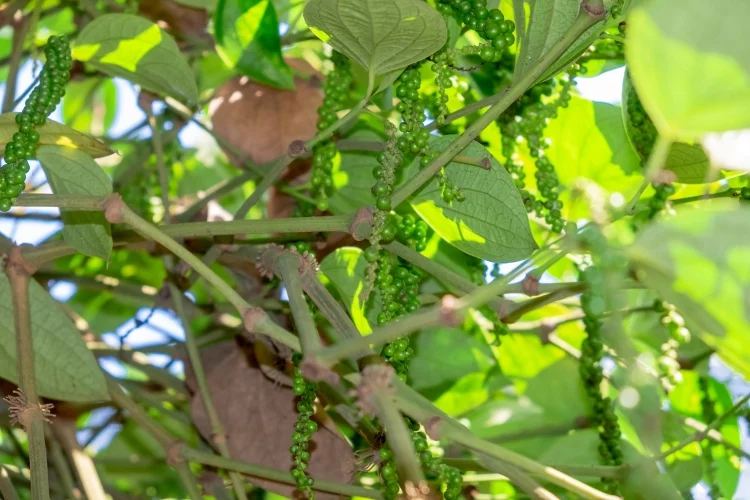
Black pepper (Piper nigrum) is a tropical climbing vine native to South Asia. The fruit it produces — dried into the peppercorns we grind daily — contains a compound called piperine that science continues to validate as genuinely therapeutic. This isn't folk wisdom with no backing. Peer-reviewed research confirms real, measurable effects on digestion, inflammation, brain chemistry, and nutrient uptake. You're already using this spice. The question is whether you're using it well.
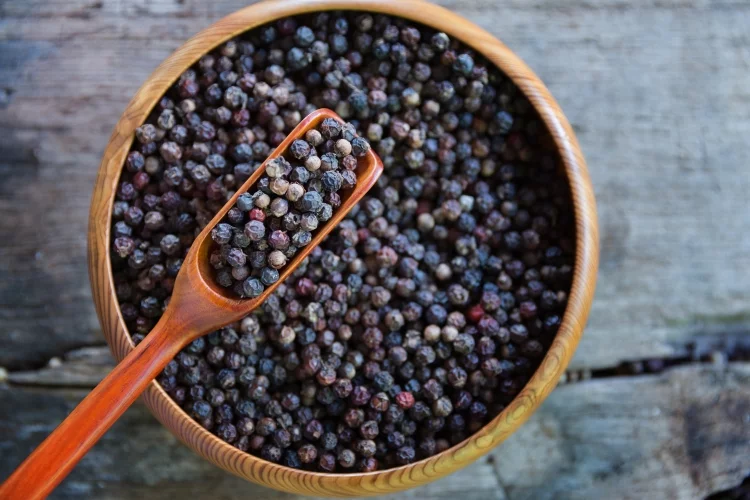
This guide covers every major black pepper health benefit, the biology behind each one, how to grow the plant yourself, and the best practices for getting full value from what's already in your kitchen. Whether you're a home grower or just someone who wants to eat smarter, this post gives you what you need.
Contents
You can't discuss black pepper health benefits without starting with piperine — the alkaloid responsible for the spice's heat and nearly all of its therapeutic effects. Piperine is what separates black pepper from a simple seasoning and places it squarely in the category of functional food.
Piperine works through multiple pathways at once. It inhibits the enzymes that break down beneficial compounds too rapidly in your gut, keeping more of them available for absorption. According to Wikipedia's research summary on piperine, the compound demonstrates consistent anti-inflammatory, antioxidant, and bioavailability-enhancing properties across peer-reviewed literature.
Free radicals — unstable molecules that damage cells and accelerate aging — are neutralized by antioxidants. Piperine's antioxidant capacity rivals many foods celebrated for this property, including green tea. Regular, moderate black pepper consumption contributes meaningfully to your total antioxidant intake without requiring any supplementation. You're getting this benefit through your normal diet already, but only if the pepper you're using is fresh and properly stored.
The research on black pepper isn't confined to labs. These benefits show up in your daily physical experience when you use the spice consistently and correctly.
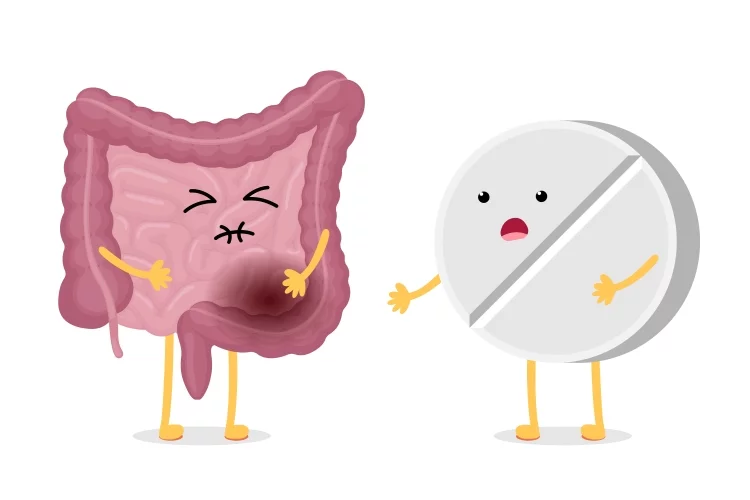
Black pepper stimulates the secretion of hydrochloric acid in the stomach — the acid your body uses to break down protein. If you regularly feel heavy, bloated, or sluggish after meals, this matters. Adding freshly ground black pepper to cooked meals directly supports more efficient protein digestion and nutrient extraction.
Ayurvedic medicine has used black pepper for respiratory conditions for centuries. Modern research confirms the mechanism: pepper's irritant compounds trigger mucus flow, which helps clear congested sinuses and airways. It's a natural decongestant with anti-inflammatory properties layered on top.

Add a pinch of freshly ground black pepper to warm herbal tea when congestion hits — it triggers mucus flow and provides faster relief than many commercial decongestants, with no side effects at normal culinary doses.
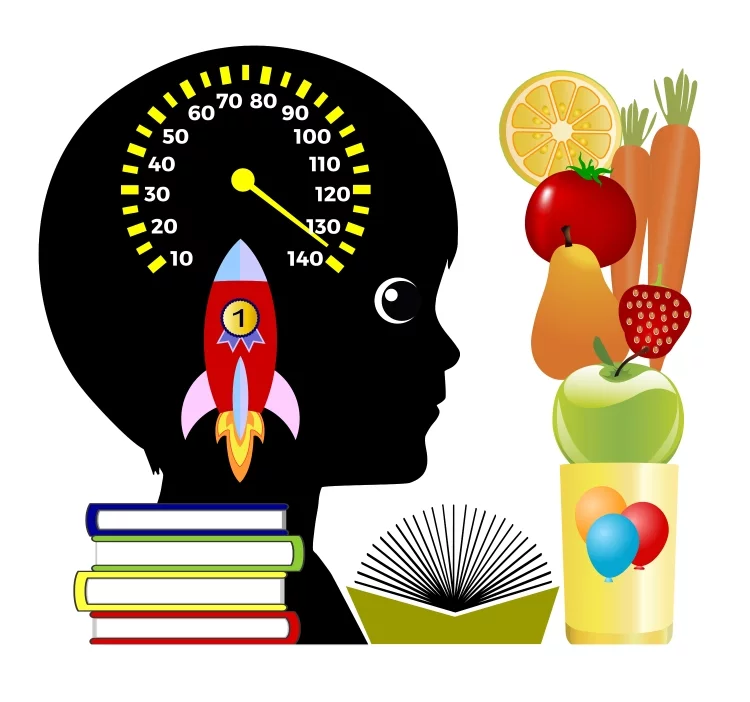
Piperine inhibits monoamine oxidase — an enzyme linked to depression and accelerated cognitive decline. In animal studies, it consistently protects neurons and supports balanced serotonin and dopamine levels. Regular piperine intake appears to offer genuine neuroprotective effects, particularly relevant as you age. This doesn't require supplements. Consistent culinary use delivers meaningful exposure over time.
If you tend an herb garden, black pepper is a worthy addition. It's a tropical vine — heat and humidity are non-negotiable — but container growing works well in most climates with the right setup. If you're building out a container herb collection, our guide to the best vegetables to grow in containers covers companion plants that thrive alongside pepper.
Starting from seed is slow — expect years before harvest. Most growers start from stem cuttings: 3–4 node sections planted in moist, warm soil root within a few weeks. For the best germination rates, source your cuttings or seeds from reliable suppliers. Our roundup of the best vegetable seeds covers what to look for when choosing quality planting stock.
| Condition | Requirement | Notes |
|---|---|---|
| Temperature | 60–95°F (15–35°C) | Frost-sensitive; bring indoors below 55°F |
| Sunlight | 6+ hours per day | Filtered light tolerated in hot climates |
| Soil pH | 5.5–7.0 | Slightly acidic preferred |
| Watering | Regular and consistent | Allow the top inch to dry between waterings |
| Humidity | Above 50% | Mist leaves in dry indoor climates |
| Fertilizer | Balanced NPK monthly | Organic compost ideal during growing season |
| Time to first harvest | 3–4 years from seed | 1–2 years from a healthy cutting |
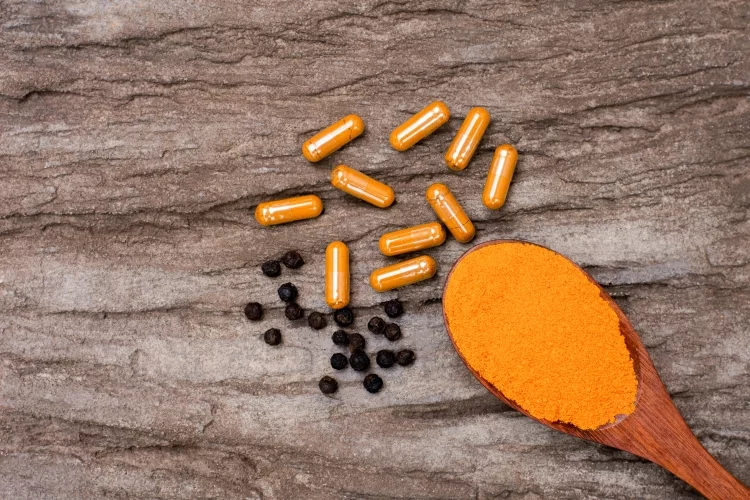
A single use won't move the needle. The black pepper health benefits that research documents — reduced inflammation, improved absorption, cognitive protection — develop through consistent, daily intake over weeks and months. Think of it like building soil quality: the transformation is cumulative, not instant.
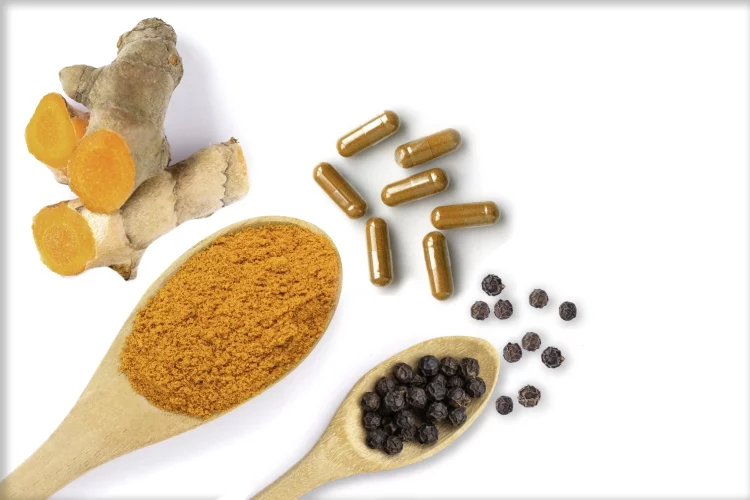
Piperine's most powerful role is as a bioavailability multiplier. Paired with the right compounds, it dramatically amplifies their effects:
Add black pepper to meals containing healthy fats — olive oil, avocado, nuts — for the best absorption environment. This simple pairing habit costs nothing and requires no special preparation.
For everyday wellness, ½ to 1 teaspoon of freshly ground black pepper per day is the practical target. This delivers enough piperine to see digestive and absorption improvements without exceeding comfortable intake levels. Therapeutic doses used in clinical studies typically involve concentrated piperine supplements — food-based intake remains the most sustainable long-term approach for most people.
How you store, grind, and time your black pepper use directly determines how many of its health benefits you actually receive. Small changes here make a real difference.
Pre-ground pepper loses piperine rapidly after processing. The volatile oils and alkaloids responsible for black pepper's health effects begin oxidizing the moment the outer shell is broken. A quality pepper mill is one of the simplest tools you can use to double the benefit you receive from the same quantity of pepper. Store whole peppercorns in a sealed, opaque container away from heat and light. Bought pre-ground, most of the benefit you're paying for is already gone.
The primary benefits include improved digestion through increased stomach acid production, enhanced absorption of other nutrients via piperine, anti-inflammatory effects, sinus and respiratory relief, and neuroprotective properties that support brain health and mood regulation.
For general wellness, ½ to 1 teaspoon of freshly ground black pepper daily is an effective and safe target. This amount provides meaningful piperine exposure without the gastrointestinal irritation that can occur at very high doses.
Piperine has shown some ability to inhibit the formation of new fat cells and improve fat metabolism in research studies. While black pepper alone is not a weight loss solution, consistent use as part of a nutrient-dense diet supports better metabolic function overall.
Yes. Black pepper grows well in containers in most climates as long as you provide warmth, humidity above 50%, well-draining soil, and a sturdy climbing support. Start from stem cuttings rather than seed for significantly faster results — expect your first harvest within 1–2 years from a healthy cutting.
Piperine is the primary alkaloid in black pepper — the compound responsible for its heat and most of its health effects. It functions as an antioxidant, anti-inflammatory agent, and bioavailability enhancer, making it one of the most pharmacologically active compounds in any common culinary spice.
Prolonged high heat can degrade piperine and the volatile oils that carry black pepper's benefits. For maximum potency, add freshly ground black pepper at the end of cooking or directly to finished dishes. Storing whole peppercorns and grinding immediately before use also preserves far more of the active compounds than pre-ground pepper does.
The spice you already own, used consistently and correctly, is one of the most effective health investments in your kitchen — grow it, grind it fresh, and use it every single day.
 |
 |
 |
 |

About Truman Perkins
Truman Perkins is a Detroit-based SEO consultant who's been in the business for over a decade. He got his start helping friends and clients get their websites off the ground, and he continues to do so today. In his free time, Truman enjoys learning and writing about gardening - something he believes is a natural stress reliever. He lives with his wife, Jenny, and their twins in Detroit.


Get new FREE Gifts. Or latest free growing e-books from our latest works.
Disable Ad block to reveal all the links. Once done, hit a button below
|
|
|
|
 rinjal