reviewed by Christina Lopez
You're standing in the garden aisle, staring at a wall of weed killer bottles with names that all sound vaguely the same, trying to remember whether your lawn is fescue or bermuda — and whether that even matters. It does. Picking the wrong product can mean dead grass, persistent weeds, or money wasted on something that only works on half your problem. In 2026, the market has more options than ever, and that's both a good thing and an overwhelming one.
The good news is that lawn-safe selective herbicides have come a long way. Today's formulas can target dandelions, crabgrass, clover, and nutsedge without torching your turf — if you choose correctly. This guide walks you through seven top-rated products, explains what makes each one worth considering (and what might trip you up), and gives you a clear buying framework so you leave with the right bottle. For a broader look at lawn care products that go beyond weeds, our gardening reviews section covers everything from soil amendments to pest control.
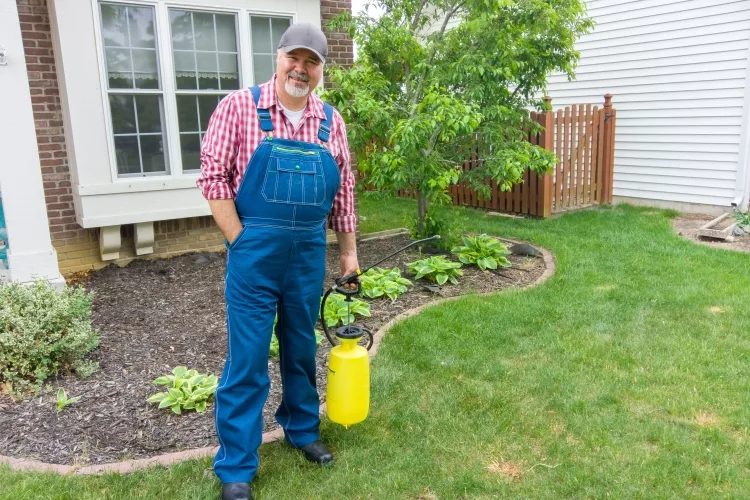
Whether you're dealing with a scattering of dandelions or a full-on crabgrass takeover, there's a product in this roundup for your situation. We looked at coverage area, grass safety, ease of application, speed of results, and value per square foot. Read through to the buying guide at the end — it'll save you from the most common mistakes homeowners make when treating weeds in established lawns.
Contents





If you want something you can grab and use immediately without mixing or measuring, Ortho WeedClear is built for that workflow. You attach it to a standard garden hose, dial the nozzle, and walk the lawn. The hose-end applicator takes the guesswork out of concentration — no measuring cups, no mixing errors. One 32 fl. oz. bottle covers up to 5,000 square feet, which handles most suburban front or back yards in a single pass.
The formula targets a solid range of broadleaf weeds and grassy weeds including dandelions, chickweed, clover, crabgrass, creeping charlie, and foxtail. Ortho claims results from a single application, and for broadleaf weeds in warm conditions, that's largely accurate — you'll typically see wilting within 24 to 48 hours. Crabgrass takes longer and may need a follow-up in heavy infestations. It's labeled safe for use on most common lawn grasses including Kentucky bluegrass, tall fescue, bermudagrass, and zoysiagrass, but always check the label for your specific turf type before spraying.
The hose-end attachment is convenient but has a known limitation: coverage rate depends on your water pressure, so actual coverage can vary from the stated 5,000 sq. ft. if your pressure is high or low. Still, for a homeowner who wants a low-effort solution to a moderate weed problem, this is one of the cleanest execution experiences in the category.
Pros:
Cons:
Spectracide Weed Stop is the go-to option when you want broad-spectrum broadleaf control at a price that doesn't sting. The 32-ounce ready-to-spray concentrate targets all listed types of broadleaf weeds — over 200 species according to the label — and it's designed to work on established lawns without damaging common turf grasses when used as directed. The formula contacts the plant quickly and begins breaking down cell structure within hours of application.
What you're paying for here is volume and versatility. A single bottle, when diluted correctly for concentrate use, goes significantly further than a ready-to-use product at a similar price point. Spectracide is particularly effective on dandelions, clover, plantain, and chickweed — the most common broadleaf offenders in cool-season turf. It's less aggressive on grassy weeds like crabgrass, so if that's your primary problem, you may need a dedicated product or a combination approach.
Application is straightforward with a pump sprayer. Coverage is good for the price, and the formula performs consistently across a range of temperatures as long as you're not spraying in extreme heat or drought stress. Spectracide doesn't offer the same speed or label breadth as some premium products, but for treating a large lawn on a moderate budget, it delivers reliable results where it counts most.
Pros:
Cons:
Most broadleaf herbicides sidestep crabgrass. BioAdvanced doesn't. This 40 oz. concentrate is designed to handle both broadleaf weeds and crabgrass in a single treatment, which makes it a compelling option if your lawn has both problems at the same time — a frustratingly common scenario in summer. The formula penetrates to the root on listed weeds, so regrowth is less likely than with surface-contact-only products.
The active ingredient combination in BioAdvanced provides systemic action, meaning the herbicide travels through the plant's vascular system rather than just burning what it touches on the surface. That approach works well for established weeds with deep root systems. Over 200 broadleaf weeds are on the label, including dandelion, clover, and nutsedge, alongside the crabgrass claim. Dilution is slightly more involved than with a single-mode herbicide, so read the label carefully and mix accurately — over-application can stress your lawn grass.
The 40 oz. concentrate size gives you solid coverage for a medium to large lawn. It's safe for most established turfgrasses when applied at the correct rate, but always spot-test on new or recently seeded areas. If you've been fighting a two-front war against broadleaf and crabgrass all season, BioAdvanced consolidates the battle into a single product and a single application day. That's a genuine time saver.
Pros:
Cons:
Tenacity is the product that landscape professionals reach for when they need precise, selective control without sacrificing turf safety. It's a systemic herbicide that works as both a pre-emergent and post-emergent, which puts it in a different category from most consumer-grade products. The mesotrione active ingredient disrupts pigment production in target weeds, causing them to bleach white and die — a visible, gradual process rather than an instant knockdown.
The target pest list is extensive: barnyardgrass, carpetweed, chickweed, clover, large and smooth crabgrass, dandelion, foxtail, goosegrass, henbit, yellow nutsedge, purslane, thistle, wild carrot, and others. Pre-emergent application prevents germinating weeds from establishing; post-emergent application stops existing weeds by interrupting their ability to photosynthesize. The bleaching effect takes one to three weeks to run its course, which is slower than contact herbicides — but the results are more thorough on stubborn weeds with established root systems.
Tenacity is approved for use on cool-season grasses including Kentucky bluegrass, tall fescue, and fine fescue, and can even be used at seeding time, which is unusual among herbicides. If you're overseeding and managing weeds at the same time, this is worth serious consideration. The 8 oz. bottle is highly concentrated — a little goes a long way, and the cost per treated area is competitive once you do the math. It's worth reading the EPA's pesticide registration guidelines to understand label compliance for any concentrate product you're using near water features or property lines.
Pros:
Cons:
If treating weeds and feeding your lawn in separate applications feels like extra work, Scotts Liquid Turf Builder with Plus 2 solves both in a single product. The formula combines broadleaf weed control with a liquid fertilizer that begins working within 24 hours — so while the herbicide is shutting down weeds, the nutrients are already feeding your grass. This dual-action approach is particularly efficient in spring and early fall, when lawns benefit most from feeding and weed pressure is at its highest.
The weed control component targets dandelions, clover, buckhorn, chickweed, ground ivy, henbit, knotweed, lambsquarters, oxalis, pigweed, plantain, poison ivy, ragweed, and spurge — a solid list for common broadleaf offenders. Coverage reaches up to 6,000 sq. ft. per 32 fl. oz. bottle, which is competitive in the ready-to-use hose-end category. The fertilizer component strengthens your turf, which helps it naturally resist future weed incursions by filling in the bare patches weeds exploit.
The main tradeoff is timing. Because this is a weed-and-feed product, you need to apply it when conditions suit both functions — when grass is actively growing and when weeds are actively growing. Applying in drought or extreme heat can stress your lawn. And like all broadleaf-only products, it won't help you with crabgrass. If your lawn has a healthy overall structure but struggles with broadleaf weeds and could use a nutritional boost, this is one of the smartest products in this roundup. Speaking of lawn health, you might also find our guide on the best lawn insect killers useful if pest pressure is compounding your turf problems alongside weeds.
Pros:
Cons:
Roundup for Lawns is a different product from the standard Roundup non-selective formula — and that distinction matters enormously. This version is specifically formulated to kill weeds without harming Northern grasses like Kentucky bluegrass, perennial ryegrass, and fescues. It comes in a 1.33-gallon ready-to-use container with an extend wand that lets you target weeds precisely without bending over or over-spraying surrounding grass.
The formula kills 253 types of weeds — the most comprehensive label in this roundup — including crabgrass, dandelion, clover, yellow nutsedge, poison ivy, chickweed, oxalis, and purslane. It starts working immediately on contact and claims rainproofing within 3 hours, which matters if your region has unpredictable spring or fall weather. Up to 3 months of residual weed control is one of its headline features, reducing how often you need to reapply through the growing season.
The large bottle format makes this practical for homeowners with half an acre or more to treat. The extend wand is genuinely useful — it reduces applicator fatigue on large properties and helps keep the spray pattern focused. At the price point of a 1.33-gallon jug, the cost per square foot is more reasonable than smaller ready-to-use options. One thing to note: this formula is labeled for Northern grasses. If you have a warm-season lawn, you'll want to verify your turf type before purchasing — Roundup makes a separate Southern version. The extended residual control pairs well with a solid lawn maintenance strategy, including soil health practices you can explore in our article on organic fertilizers you can prepare at home.
Pros:
Cons:
Gordon's SpeedZone earns its name. Visible weed damage appears within hours of application, which is faster than most products in this category. That speed comes from the combination of active ingredients — carfentrazone provides rapid cell disruption on contact, while the systemic components move through the plant to finish the job at the root. The result is visible curling and browning within hours, followed by complete control in the days that follow.
At 20 ounces of concentrate, SpeedZone covers between 14,000 and 18,000 square feet when properly diluted — making it one of the most cost-efficient options for large property owners who want professional-grade results without a commercial applicator license. It handles common and troublesome broadleaf weed species in turfgrass, and the quick re-entry interval means you can reseed treated areas in as little as two weeks, which is significantly faster than many herbicides that require 4 to 6 weeks before overseeding.
The product skews toward the advanced end of the user spectrum. You'll need a pump or backpack sprayer, and the concentration requires accurate measurement — too little and you'll get incomplete control, too much and you risk turf injury. But if you have a large lawn, deal with persistent broadleaf weed infestations, and want the fastest visible turnaround available in an over-the-counter product, SpeedZone stands out. It's also worth noting that maintaining a healthy soil ecosystem alongside weed control is key to long-term results — our guide to soil preparation for planting covers practices that reduce weed seed banks over time.
Pros:
Cons:

Walking into this purchase without a plan is where most homeowners go wrong. The product that works brilliantly on your neighbor's fescue lawn might torch your warm-season bermudagrass, or do nothing to the crabgrass you're actually trying to kill. Here's what to think through before you add anything to your cart in 2026.
This is the single most important step. Weed killers for lawns fall into two broad categories based on what they kill: broadleaf herbicides and grassy weed herbicides. Dandelions, clover, chickweed, plantain, and oxalis are broadleaf weeds — almost every product in this roundup handles those. Crabgrass, foxtail, and goosegrass are grassy weeds, and most broadleaf-only formulas won't touch them.
If you're not sure what you have, pull a weed and look at the leaf structure. Broad, flat leaves with net-like veins are broadleaf. Narrow leaves with parallel veins are grassy. When in doubt, a quick photo search usually resolves it in under a minute.
Selective herbicides are formulated to kill specific weeds while leaving certain grass types unharmed — but that selectivity has limits. Using the wrong product on the wrong grass destroys your turf. Check the product label for your specific grass before you spray anything.
Ready-to-use products cost more per square foot but require zero setup. Concentrates demand accurate measuring and a sprayer, but cover dramatically more area for the same price. For a lawn under 3,000 square feet with occasional weed problems, a ready-to-use option is often more practical. For lawns over 5,000 square feet, or if you're treating multiple times per season, concentrates like Tenacity, SpeedZone, or BioAdvanced make much more economic sense.
Even the best product in this list will underperform if you apply it at the wrong time. Herbicides work best when weeds are actively growing and not stressed. A few rules that apply across all products in this roundup:
Consistent lawn health over time reduces weed pressure naturally. Dense, thick turf leaves less room for weed seeds to establish. Pairing herbicide treatments with proper mowing height, watering practices, and occasional overseeding gives you a long-term edge that no single product can match on its own.
Selective herbicides target specific types of plants — like broadleaf weeds — while leaving your lawn grass unharmed. Non-selective herbicides kill almost all vegetation they contact, including your turf grass. All seven products in this roundup are selective, making them appropriate for use on established lawns. Non-selective products like the standard Roundup formula are used for paths, driveways, or complete lawn renovation where you want to kill everything and start over.
Most selective herbicides cannot be used on recently seeded or newly established lawns. The typical waiting period is 3 to 4 mowings after germination, which generally means waiting at least 6 to 8 weeks post-seeding. The notable exception in this roundup is Tenacity, which is labeled safe for use at seeding time for cool-season grasses. Always check the product label for specific timing requirements before applying to new turf.
Most liquid weed killers for lawns are considered safe for pets and children once the application has fully dried — typically 1 to 4 hours depending on conditions. However, individual product labels vary, and some require longer re-entry intervals. Always read the specific product label for entry restrictions, and keep children and pets off the treated area until it is completely dry. If you have pets that frequently dig or chew grass, take extra caution and choose products with shorter re-entry intervals.
Many broadleaf herbicides have no effect on crabgrass because it is a grassy weed, not a broadleaf weed. If you're applying a product labeled only for broadleaf weeds, you won't see results on crabgrass regardless of how much you use. You need a product that specifically lists crabgrass on its label — such as BioAdvanced All-In-One, Tenacity, Ortho WeedClear, or Roundup for Lawns. Mature crabgrass late in the season is also harder to kill than young plants, so timing matters as well.
A pre-emergent herbicide prevents weed seeds from germinating and establishing, rather than killing existing weeds. It creates a chemical barrier in the soil that stops seeds as they sprout. Pre-emergents must be applied before the target weed seeds germinate — for crabgrass, that's typically when soil temperatures reach 55°F, which corresponds to early-to-mid spring in most regions. Tenacity is the only product in this roundup with pre-emergent capability. Pre-emergents do not affect established weeds, so you may need both a pre-emergent in spring and a post-emergent treatment for weeds that are already growing.
Both seasons have merit, depending on the weed type. Spring is best for targeting winter annuals and for applying pre-emergents before summer annual weeds like crabgrass germinate. Fall is actually ideal for treating perennial broadleaf weeds like dandelions and clover — the plants are actively moving nutrients down to their roots in preparation for winter, which means herbicides move through the plant more effectively and root kill is more thorough. Many lawn care professionals consider fall the single most effective window for broadleaf weed control in cool-season turf regions.
The right weed killer isn't the strongest one on the shelf — it's the one that matches your weed, your grass, and your timing.
 |
 |
 |
 |

About Christina Lopez
Christina Lopez grew up in the scenic city of Mountain View, California. For eighteen ascetic years, she refrained from eating meat until she discovered the exquisite delicacy of chicken thighs. Christina is a city finalist competitive pingpong player, an ocean diver, and an ex-pat in England and Japan. Currently, she is a computer science doctoral student. Christina writes late at night; most of her daytime is spent enchanting her magical herb garden.


Get new FREE Gifts. Or latest free growing e-books from our latest works.
Disable Ad block to reveal all the links. Once done, hit a button below
|
|
|
|
 rinjal