Madhava Organic Amber Agave is the top pick for 2026 — it delivers rich, consistent sweetness from 100% Weber Blue Agave, independently tested for purity by the Clean Label Project. If you're tired of reaching for refined sugar or artificial sweeteners and want something that dissolves beautifully in both hot and cold applications, agave nectar is the upgrade your pantry deserves.
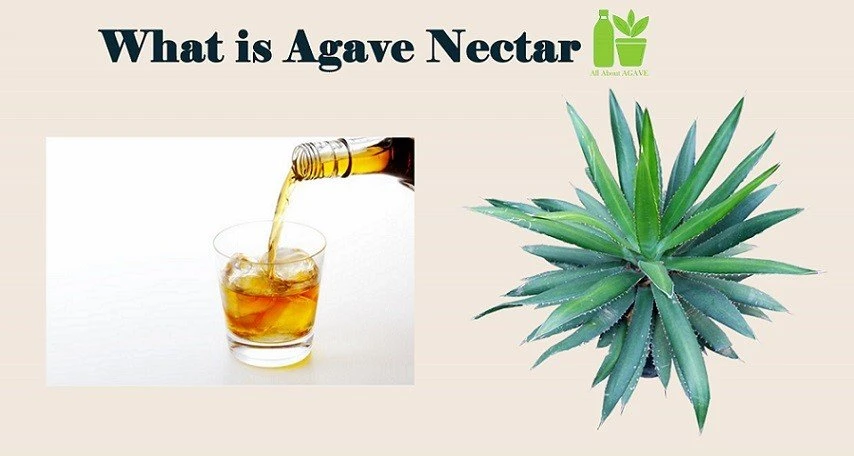
Agave nectar has moved well beyond specialty health food stores. Today you'll find it behind the bar, in professional bakeries, and in home kitchens across the country. Derived from the blue agave plant — the same succulent used to produce tequila — this liquid sweetener carries a lower glycemic index than table sugar and blends into everything from margaritas to salad dressings without leaving a gritty residue. If you want to understand how it stacks up against other natural options, our guide on agave vs honey vs maple syrup breaks down the full comparison. You can also explore agave syrup and the glycemic index if blood sugar response is a priority for you.
With so many brands now claiming "organic" and "pure," choosing the right bottle gets complicated fast. This guide reviews seven of the best agave nectars available on Amazon in 2026, covering flavor, sourcing, certifications, and value so you can make a confident decision without second-guessing yourself at checkout.
Contents





Madhava has been in the agave game for decades, and this amber variety shows exactly why they remain the gold standard in 2026. Each bottle in this two-pack holds 46 fluid ounces of 100% Weber Blue Agave sourced directly from certified organic farms in Mexico. The amber grade has a slightly deeper, more caramel-forward flavor compared to light agave — think a gentle richness that enhances oatmeal, dark roast coffee, and baked goods without overwhelming them. It dissolves cleanly in both hot and cold liquids, which matters when you're pouring it into iced tea or a cold-brew cocktail.
What separates Madhava from the competition is third-party verification. The Clean Label Project independently tests every batch to confirm it's contaminant-free — no heavy metals, no pesticide residue. That's not marketing language; it's a published audit process you can verify yourself. The two-pack format means better value per ounce and fewer reorder trips. If you use agave regularly in a household kitchen, this size makes practical sense and keeps the unit cost reasonable.
The pour spout is controlled enough to avoid messy drizzling, though some users find the lid slightly stiff out of the box. Store at room temperature; refrigeration causes the nectar to thicken unnecessarily. For anyone looking for a single versatile agave to cover baking, beverages, and everyday sweetening, this is the one to buy.
Pros:
Cons:
Wholesome Sweeteners built their reputation on ethical sourcing, and this 44-ounce bottle of organic blue agave is a direct expression of that commitment. It carries Fair Trade certification alongside its USDA organic and Non-GMO Project verified status — a trifecta of credentials that tells you exactly how the agave was grown, harvested, and traded. The nectar itself is 100% pure with one ingredient: organic blue agave. No fillers, no corn syrup blends, no additives.
In the kitchen, this agave performs at 25% sweeter than granulated sugar, so you can use less without sacrificing sweetness. That ratio works in your favor when baking — reducing the overall sugar content of a recipe while maintaining moisture and binding properties. It blends especially well in cocktails and mocktails where a clean, bright sweetness is the goal without syrupy heaviness. For a deeper look at how agave compares to refined options, see our breakdown of agave nectar vs granulated sugar.
The flavor is mild and neutral — closer to a light honey in profile, which means it won't fight with other ingredients. At 44 ounces, the bottle is substantial without being unwieldy. If ethical supply chains matter to your purchasing decisions, no other agave on this list checks as many boxes simultaneously.
Pros:
Cons:
NOW Foods is a trusted name in the health supplement and natural food space, and their light agave nectar earns its place on this list specifically for those watching glycemic load. This two-pack of 23.2-ounce bottles carries USDA Certified Organic and Non-GMO Project Verified status, along with a kosher certification — a broader certification coverage than most competitors. The light variety has the mildest flavor of all agave grades, closely resembling light honey in taste and texture, making it the most versatile across a wide range of culinary uses.
NOW Foods processes this agave using low-temperature methods, which preserves its natural characteristics and keeps the glycemic index meaningfully lower than sugar. For anyone managing blood sugar levels or simply trying to reduce the glycemic impact of their sweetener choices, this is worth understanding — agave nectar ranks around 15–30 on the glycemic index compared to sugar's 65. The liquid consistency is slightly thinner than amber agave, which makes it easier to incorporate into smoothies, salad dressings, and sauces where you want even distribution without stirring for ages.
The two-pack gives you solid supply without committing to industrial-size quantities. NOW Foods' quality control standards are rigorous, and the product's third-party certifications back that up. If low glycemic impact is your primary reason for switching to agave, this is your best option on the list.
Pros:
Cons:
Kirkland Signature is Costco's private label, and it applies the same value-driven philosophy to its organic blue agave. At 36 ounces per bottle, this is the most cost-effective certified organic agave on this list — period. If your household goes through sweetener regularly and wants organic credentials without paying a premium brand markup, Kirkland delivers exactly that. USDA certified organic status confirms the sourcing meets federal standards, and the all-purpose designation means it works across every application from morning coffee to dinner marinades.
The flavor profile is clean and mild, sitting comfortably in the light agave category without the distinct caramel notes of amber varieties. It dissolves well in both hot and cold liquids, which makes it a practical everyday staple. Don't expect the depth of a premium specialty brand — Kirkland's agave is straightforward, reliable, and priced to be used liberally. That's a feature, not a limitation.
One practical note: availability on Amazon can vary since Kirkland products rotate through third-party sellers. When it's in stock, the price-to-quality ratio is difficult to beat for a household-staple sweetener. If you're already a Costco member, buying in-store often gets you the best price.
Pros:
Cons:
Tres Agaves comes from the tequila world, and that heritage is immediately evident in how this agave nectar is formulated. Sourced from the same 100% blue agave plants used in their award-winning tequila production, this nectar brings a smooth, earthy sweetness that's specifically tuned for mixing. At 750mL per bottle and sold in a two-pack, you're getting cocktail-bar quantities — which is exactly the point. This isn't a baking sweetener; it's a premium bartending tool.
The flavor is clean and slightly more complex than a standard light agave, with an earthy undercurrent that plays beautifully with spirits. Margaritas become noticeably more balanced with this in place of simple syrup. Palomas, mojitos, and iced coffee all benefit from its smooth dissolution and natural sweetness without syrupy residue. At 60 calories per serving, it's also a lighter option than many bar syrups. If you enjoy experimenting with cocktail recipes, our agave nectar drink recipes guide has plenty of inspiration to put these bottles to work.
The vegan, non-GMO, and gluten-free credentials are there if those matter to your guests. The bottle shape is practical for bar setups — easy to pour from and sized appropriately. If your primary use case is cocktails and mixed drinks rather than everyday cooking sweetening, Tres Agaves is the most purposeful choice on this list.
Pros:
Cons:
Think of this as the amber Madhava's quieter sibling. Same 100% Weber Blue Agave sourcing, same Clean Label Project verification, same two-pack format — but with a lighter, more neutral flavor that suits applications where you want sweetness without any caramel influence. This is the version to reach for when making white cake, light vinaigrettes, herbal teas, or smoothies where a golden tint or deeper flavor would throw off the final result.
Madhava's light agave has the same purity credentials as their amber: independently tested, certified organic, sourced directly from organic farms. You're getting 92 ounces of sweetener that will last a genuine household multiple months depending on usage. The vegan and non-GMO designations are baked in. Compared to buying smaller bottles of competing brands at higher per-ounce prices, this two-pack positions itself as a sensible bulk buy without the warehouse-store commitment.
If you already trust Madhava's amber variety and want a lighter option for specific recipes, this is the logical companion. They use the same sourcing and testing standards across both grades. The light agave pours slightly thinner than the amber, which makes precise drizzling easier when portioning over yogurt, granola, or fresh fruit.
Pros:
Cons:
This is the least-processed option on the entire list. Wholesome Sweeteners heats the juice from the agave piña at a lower temperature than any of their other products, which preserves more of the plant's natural compounds. If you're the type of buyer who wants your sweetener to be as close to its natural state as possible, the raw designation here is meaningful — not just a marketing label. It carries the same Fair Trade, 100% pure, Non-GMO, gluten-free, and vegan credentials as the larger Wholesome bottle, but in an 11.75-ounce size designed for trial or lighter usage.
The flavor sits somewhere between light and amber agave, with a hint more complexity than the standard light variety — a natural consequence of the minimal processing. It dissolves well in both warm and cool applications, and at this size, it's the best entry point for first-time agave buyers who aren't ready to commit to a large bottle. Many bartenders specifically seek out raw agave nectar for craft cocktail menus where provenance and minimal processing are selling points to customers.
The smaller format does mean a higher per-ounce cost compared to the larger bottles on this list. But if you're evaluating agave for the first time, or if you occasionally need a high-quality raw option for specific recipes, this bottle earns its place. Wholesome's supply chain transparency and Fair Trade certification mean you know exactly how the agave was grown and who benefited from the sale.
Pros:
Cons:
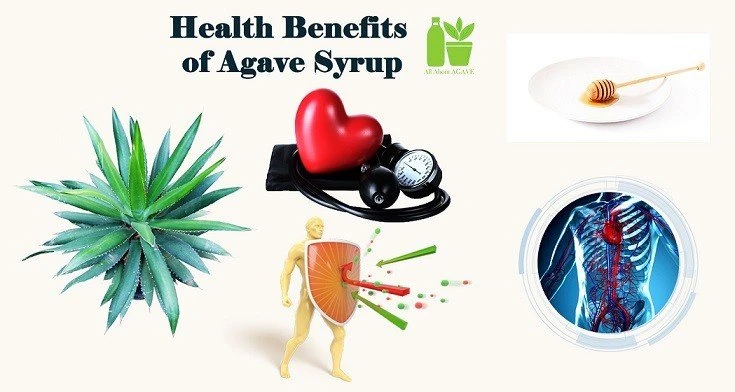
The grade of agave nectar tells you everything about its flavor profile and appropriate use cases. Light agave is filtered and heated to remove most natural compounds, producing a neutral, honey-like sweetness that won't interfere with delicate recipes. It's your go-to for white baked goods, mild sauces, and cocktails where clean sweetness is the goal. Amber agave retains more of the agave plant's natural character, lending a mild caramel or molasses undertone that works beautifully in oatmeal, darker baked goods, marinades, and coffee drinks. Raw agave is processed at the lowest temperatures, preserving the most natural compounds and delivering the most complex flavor — ideal for health-focused buyers and specialty cocktail applications.
Think carefully about your primary use before choosing a grade. If you bake frequently with light-colored batters, amber agave will tint and flavor them noticeably. If you primarily use agave in beverages and cocktails, any grade works, but raw and light tend to blend most cleanly.
USDA Certified Organic guarantees the agave plants were grown without synthetic pesticides or fertilizers. That matters because agave is grown over 7–12 years before harvest — a long growing cycle that accumulates any chemical inputs significantly. Look for the USDA organic seal as a baseline requirement, not a premium add-on.
Third-party testing goes further. Madhava's Clean Label Project verification checks for heavy metals, pesticide residues, and other contaminants that organic certification alone doesn't test for. If you're concerned about what's actually in your bottle rather than just how the plant was grown, brands with independent purity testing deserve the higher price premium. According to Wikipedia's entry on agave syrup, the production process and source quality significantly impact the final product's composition — making sourcing transparency genuinely important.
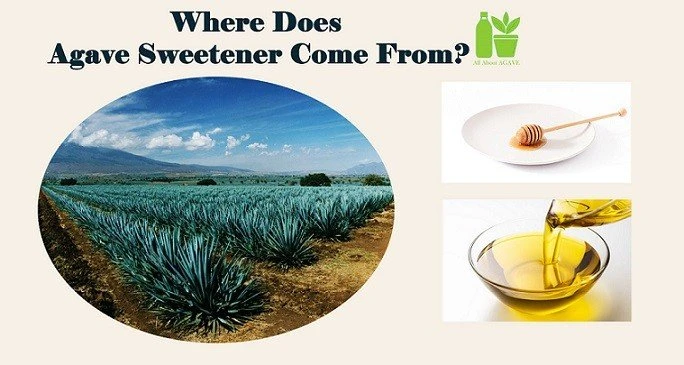
Agave is grown almost exclusively in Mexico, and the harvesting process — performed by skilled workers called jimadores — is physically demanding, specialized craft work. Fair Trade certification ensures those workers receive fair wages and safe working conditions. Wholesome Sweeteners is the only brand on this list carrying Fair Trade status, which adds real meaning to the premium price point. If ethical sourcing is part of your purchasing values, that certification matters and is independently audited.
Beyond Fair Trade, look for brands that name their source farms or regions. Vague "organic agave" claims with no geographic specificity are harder to verify than labels that explicitly state "100% Weber Blue Agave from certified organic farms in [specific Mexican state]." The more specific the sourcing language, the more accountable the brand is to its claims.
Agave nectar keeps well at room temperature for up to a year after opening — so buying in bulk makes sense if you use it consistently. The two-pack options from Madhava (92oz total) and NOW Foods (46.4oz total) deliver the best certified-organic value per ounce on this list. Single bottles like the Kirkland 36oz offer solid value without requiring the cabinet space for multiples.
Consider your usage rate honestly. A household that uses agave daily across cooking, baking, and beverages will go through a 46oz bottle in a month or two. A light user who sweetens the occasional cup of tea benefits more from a smaller bottle to avoid the liquid oxidizing over time after opening. For more context on how agave fits into a garden-to-table lifestyle, browse the full gardening reviews category for related natural ingredient coverage.
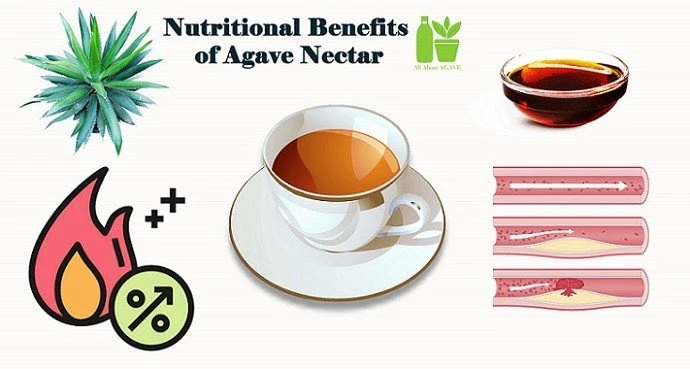

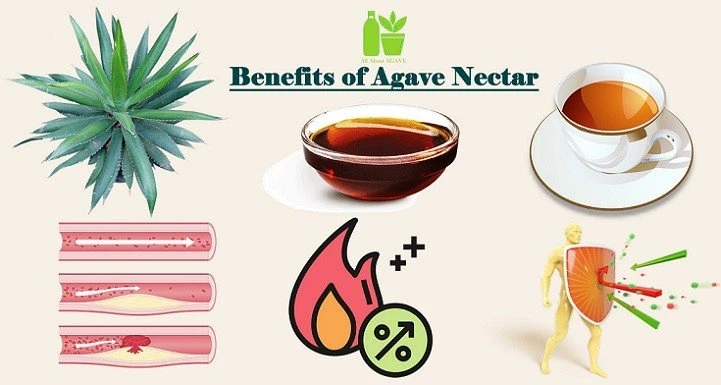
Agave nectar has a lower glycemic index than table sugar — typically between 15 and 30 compared to sugar's 65 — meaning it raises blood sugar more slowly. It's also 25–40% sweeter, so you use less per recipe. However, agave is high in fructose (often 70–90%), which the liver processes differently than glucose. It's a better choice for glycemic management than refined sugar, but it's not a zero-consequence sweetener. Use it mindfully, especially if you're monitoring fructose intake for liver or metabolic health reasons.
The difference comes down to processing level and flavor. Light agave is filtered more thoroughly and heated to produce a clear, mild, neutral sweetener that works in any recipe without altering color or adding distinct flavor. Amber agave undergoes less filtration, retaining more of the plant's natural compounds and producing a deeper caramel or honey-like character. Use light agave when flavor neutrality matters — white baked goods, pale sauces, delicate cocktails. Use amber when you want the sweetener to contribute flavor — coffee, oatmeal, dark chocolate desserts, marinades.
Yes, with adjustments. Because agave is liquid and sweeter than granulated sugar, you need to reduce both the amount and the liquid content of your recipe. A standard guideline: use ¾ cup of agave for every 1 cup of sugar called for, and reduce other liquids in the recipe by about ¼ cup. Also reduce oven temperature by 25°F, as agave-sweetened baked goods brown faster. The moisture that agave adds produces tender, moist results in cakes and muffins — a benefit that most bakers appreciate once they've adjusted to the technique.
No. Agave nectar is shelf-stable and should be stored at room temperature after opening. Refrigerating it causes the liquid to thicken significantly, making it difficult to pour and measure accurately. Keep it in a cool, dry cupboard away from direct sunlight. Most brands list a best-by date of around 1–2 years from production, but properly stored agave often remains usable well beyond that window. If you notice crystallization, warming the bottle in warm water for a few minutes restores it to its normal consistency.
Yes. Agave nectar is entirely plant-derived — pressed and processed from the piña (core) of the blue agave plant. Unlike honey, which involves bees, agave has no animal involvement at any stage of production or processing. All seven products reviewed on this page are certified vegan or explicitly labeled as such. Agave is one of the most common honey substitutes in vegan cooking and baking, delivering comparable sweetness and viscosity without any animal byproducts.
Tres Agaves Organic Agave Nectar is the strongest choice for cocktail applications. It's sourced from tequila-grade blue agave plants, giving it an earthy complexity that enhances spirit-forward drinks without clashing. Wholesome Sweeteners' light agave is a close second for neutral-sweetness applications like mojitos or sparkling water cocktails. If you're building a home bar setup, the 750mL two-pack format from Tres Agaves gives you enough volume to experiment freely without running out mid-party. For recipe ideas, visit our agave nectar drink recipes guide.
Buy the grade that matches your most frequent use — not the most impressive certification — and you'll never waste a bottle of agave again.
 |
 |
 |
 |

About Truman Perkins
Truman Perkins is a Detroit-based SEO consultant who's been in the business for over a decade. He got his start helping friends and clients get their websites off the ground, and he continues to do so today. In his free time, Truman enjoys learning and writing about gardening - something he believes is a natural stress reliever. He lives with his wife, Jenny, and their twins in Detroit.


Get new FREE Gifts. Or latest free growing e-books from our latest works.
Disable Ad block to reveal all the links. Once done, hit a button below
|
|
|
|
 rinjal