Have you ever wondered whether the plants lining your garden path or filling your ornamental borders could actually hurt you? The answer, for a surprisingly large number of gardens, is yes. Dangerous toxic plants in gardening show up in the most ordinary settings — cottage flower beds, herbal kitchen patches, even pots on a sunny windowsill — and the consequences of accidental contact range from a rash that won't quit to a genuine emergency. This guide covers 15 of the most hazardous plants you're likely to grow or encounter, so you can make smarter choices about what goes in the ground. Start by browsing the broader plants, herbs, and farming section for more plant profiles and care guides.

The difficulty with garden toxicity is that it rarely announces itself. Hydrangeas are beloved for their dramatic blooms. Foxglove is a cottage-garden classic. Aloe vera sits on kitchen counters in millions of homes. Yet each of these plants contains compounds capable of causing real harm when mishandled or consumed. The gap between "pretty garden plant" and "genuine health hazard" is thinner than most gardeners appreciate.
Understanding what you're growing — and how to handle it — is one of the most practical skills you can develop as a gardener. Whether you share your outdoor space with young children and pets or simply want to handle plants with confidence, this breakdown gives you the information you need before any harm is done.
Contents
Before diving into each plant individually, it helps to see everything side by side. The table below covers all 15 plants, the toxic compound responsible for harm, which parts to avoid, and who faces the greatest risk. Use it as a quick reference when assessing what's already growing in your space.
| Plant | Toxic Compound | Dangerous Parts | Risk Level | Primary Risk Group |
|---|---|---|---|---|
| Water Hemlock (Cicuta) | Cicutoxin | All parts | Extreme | Adults, children |
| Oleander (Nerium oleander) | Cardiac glycosides | All parts | Extreme | Adults, children, pets |
| Monkshood (Aconitum) | Aconitine | All parts, especially roots | Extreme | Adults, children |
| Castor Bean (Ricinus communis) | Ricin | Seeds | Extreme | Children, pets |
| Belladonna (Atropa belladonna) | Tropane alkaloids | All parts | High | Children, pets |
| Foxglove (Digitalis) | Cardiac glycosides | All parts | High | Adults, children |
| Lily of the Valley (Convallaria) | Cardiac glycosides | All parts, vase water | High | Children, pets |
| Datura (Angel's Trumpet) | Tropane alkaloids | All parts | High | Adults, children |
| Rhododendron | Grayanotoxins | Leaves, nectar, honey | Moderate–High | Pets, children |
| Lantana | Lantadene A/B | Unripe berries | Moderate–High | Children, pets |
| Hydrangea | Cyanogenic glycosides | Buds, leaves | Moderate | Children, pets |
| Morning Glory | Lysergic acid amide | Seeds | Moderate | Children, teens |
| Rhubarb | Oxalic acid | Leaves only | Moderate | Adults, children |
| Aloe Vera | Anthraquinones | Latex layer beneath skin | Low–Moderate | Pets, children |
| Poison Ivy (Toxicodendron) | Urushiol | All parts, year-round | Low–Moderate (contact) | All |
"Extreme" in this context means a small dose can cause death or catastrophic organ damage. Water hemlock is considered the most violently toxic plant in North America — it can kill an adult within hours of ingestion through severe convulsions. Oleander and monkshood occupy the same tier. These aren't plants to approach casually or grow without deliberate precautions.
"Moderate" doesn't mean harmless, either. Hydrangea is everywhere in ornamental gardens, looks completely benign, and its cyanogenic glycosides reliably cause nausea, vomiting, and lethargy in children and pets who chew the buds or leaves. For more on garden plants that surprise people with their behavior, the guide to colourful flowers that grow in shade is worth reading — several shade-tolerant species, including lily of the valley and foxglove, fall squarely into the moderate-to-high risk range.
Nature does leave clues. Many toxic plants carry visual cues that, once you recognize them, become second nature to notice. Bright, attractive berries are often a plant's mechanism for recruiting birds while deterring mammals — belladonna's glossy black berries are a textbook example. Milky or colored sap, common in spurges and some euphorbias, is almost always a skin irritant. Strongly medicinal or unusual aromas when foliage is crushed often indicate alkaloid content.
That said, don't rely on visual cues alone. Many extremely toxic plants — including water hemlock and monkshood — look like ordinary garden flowers or even edible species. According to the National Capital Poison Center, plant misidentification is one of the most common causes of accidental poisoning in home gardens. When you don't know what you're looking at, treat it as potentially dangerous until you've confirmed the ID.

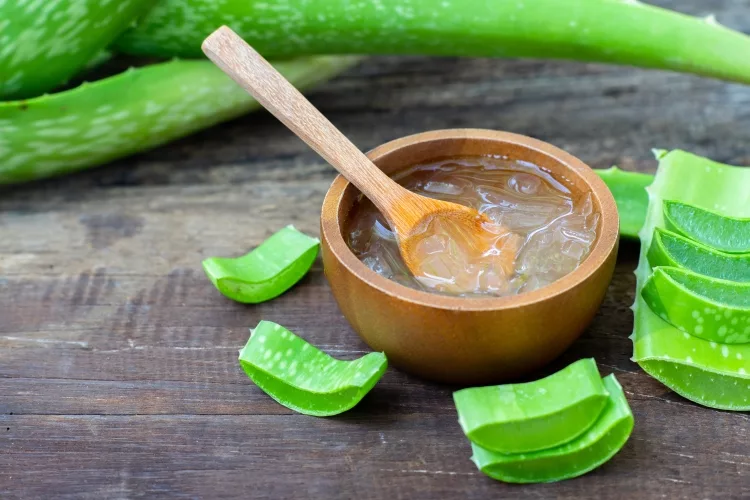
Toxicity in plants is rarely uniform across the whole organism. Rhubarb is a perfect example: you eat the stalks without concern, but the leaves contain enough concentrated oxalic acid to cause kidney failure. With aloe vera, the clear gel inside the leaf is soothing and widely used topically, but the yellow latex layer just beneath the skin contains anthraquinones that cause severe gastrointestinal distress if swallowed.
Lily of the valley raises the stakes further — the water in a vase holding these flowers becomes toxic. If you're growing it near edible herbs or in a space children access, that detail is critical. Understanding which part of a plant carries the actual risk helps you decide where to place it and whether to grow it at all. The same careful handling logic applies to plants with physical irritants; the guide to proper care and maintenance of the desert agave plant is a clear example of how to approach a plant that requires respect without being banned from the garden.
When pruning or deadheading any plant you're uncertain about, wear nitrile gloves rather than latex — nitrile offers better protection against plant alkaloids and resins that can penetrate standard glove material.
The single most effective change you can make right now is to wear gloves every time you handle unknown or known-toxic plants. This isn't about paranoia — it's about building a baseline habit. Gardeners who make glove use routine don't have to remember which plants require caution on a given day. The protection is always there.
For plants like poison ivy, monkshood, and euphorbias, go further: wear long sleeves, avoid touching your face, and bag clippings before disposal rather than leaving them in a compost pile. Never burn toxic plant material — the smoke from burning oleander carries toxins that cause respiratory distress and eye irritation. Rhubarb leaves should go in your general waste bin, not your compost — even if they break down eventually, fresh material is far too concentrated to risk.
Children and pets face higher risk than adults because they're closer to ground level, far more likely to mouth things, and significantly smaller — a dose that causes mild discomfort in an adult can be dangerous for them. A practical first step is to walk your garden from a child's-eye perspective: get low and look at what's within easy reach at their height.
If you're growing edibles in containers alongside ornamentals, keeping those areas clearly separated reduces confusion and risk. For container growing strategies that make zoning easier, see the guide on the best veggies to grow in containers — dedicated edible zones are simpler to manage safely than mixed plantings. And if you're thinking through which flowering plants belong indoors around curious children or cats, the article on whether hibiscus can grow indoors shows a useful framework for thinking through placement decisions for any plant.
You don't have to remove every risky plant from your garden. But where the visual payoff isn't worth the ongoing hazard — particularly in spaces used regularly by young children or free-roaming pets — swapping to safer alternatives is the more sensible long-term choice. Foxglove can be replaced with penstemon or salvia for a similar vertical spike without cardiac glycoside risk. Lantana, for all its vibrant color, gives way gracefully to marigolds or zinnias in high-traffic areas.
The goal isn't a sterile garden — it's a garden where you understand exactly what's there and have made deliberate choices about each plant. Some gardeners keep monkshood or foxglove but relocate them to a fenced back border where access is restricted. That's a legitimate approach, as long as it's consistent and documented.
Plant label stakes cost almost nothing and solve more problems than most gardeners expect. Labeling every plant with notable toxicity means that a house guest, a visiting child, or a new gardening helper knows what they're dealing with before they touch anything. Keep a simple written or digital record of what's in your garden, where it is, and any key handling notes.
This discipline connects naturally to how well-managed shared growing spaces operate. If you're curious about plant inventories in a community context, the article on starting a community garden covers how organized records help manage shared spaces safely — the same principle scales down perfectly to a home garden. Botanical knowledge and cultural significance reinforce each other in similar ways; the Brahma Kamal plant care guide is a strong example of how understanding a plant fully, not just superficially, shapes how you handle it responsibly.
This is probably the most dangerous assumption in gardening. The word "natural" carries an implied safety guarantee that simply does not exist in botany. Ricin — derived from the seeds of the castor bean — is one of the most toxic substances known to science. Aconitine, extracted from monkshood, was historically used as a poison in hunting and warfare. Both are entirely natural. Both can kill.
Herbal traditions complicate this further. Plants used in traditional medicine — belladonna, datura, even aloe vera — have legitimate uses in controlled contexts, but dose and preparation are everything. What treats in a measured amount causes harm in an uncontrolled one. Never assume a plant is safe because it has medicinal associations or because it grew in a trusted person's garden for decades. Familiarity is not the same as safety.
Berries attract the most concern, and reasonably so — they look edible and children reach for them. But fixating on berries means missing danger elsewhere in the plant. With monkshood, simply handling the plant with bare hands allows aconitine to absorb through the skin. With foxglove, the leaves are fully toxic. With rhubarb, the hazard is the leaf, not the fruit. With water hemlock, every part of the plant — roots, stems, leaves, flowers — contains cicutoxin at potentially lethal concentrations. The berry is rarely the whole story.
New gardeners tend to frame toxicity as purely an ingestion problem: don't eat it, and you're safe. Experienced gardeners know the risks extend well beyond swallowing. Skin absorption is a genuine hazard with monkshood and certain euphorbias. Sap from fig trees causes phototoxic burns when exposed to sunlight after contact. Eye exposure to plants from the spurge family can cause temporary vision disturbance. Even wiping your face with a gloved hand after handling lantana can transfer irritants.
The real difference between a beginner and an experienced gardener isn't just plant identification — it's handling awareness at every step. If you're building out an indoor growing space alongside your outdoor garden and want to understand safe environments for plants that carry varying toxicity levels, the guide on growing indoor plants at home covers light and environment management that also reduces unintentional handling risk indoors.
Experienced gardeners develop what might be called plant literacy — the ability to read a plant's structure, family, and ecology and make reasonable inferences about its chemistry. Plants with milky or colored sap are almost always irritating or toxic. Plants in the nightshade family (Solanaceae) — tomatoes, peppers, datura, belladonna — share alkaloid profiles that vary enormously in concentration from species to species. Recognizing that an unknown seedling is a nightshade family member tells you to proceed carefully even before you confirm the exact species.
This kind of literacy develops gradually, through active engagement with botanical resources and direct experience. It transforms you from a gardener who reacts to problems into one who prevents them — and that shift makes every hour spent in the garden safer and more enjoyable.
The clear gel inside aloe vera leaves is generally safe for topical use, but the yellow latex layer just beneath the skin contains anthraquinones that cause severe gastrointestinal distress if ingested. It is mildly toxic for pets, particularly cats and dogs, and should not be consumed directly from the plant by humans or animals.
Yes, with certain species. Monkshood causes numbness, tingling, and systemic effects through skin contact alone because aconitine absorbs transdermally. Euphorbias produce sap that irritates and burns skin on contact. Urushiol from poison ivy causes allergic contact dermatitis in the vast majority of people exposed. Gloves are not optional when handling any of these plants.
Yes. Hydrangeas contain cyanogenic glycosides concentrated in the buds and leaves. Dogs that chew on hydrangea foliage typically experience vomiting, diarrhea, and lethargy. The severity depends on the amount ingested, but even moderate quantities cause noticeable distress. Hydrangeas should be kept out of reach of dogs and cats in any garden or indoor space.
Water hemlock is widely regarded as the most violently toxic plant you are likely to encounter in temperate gardens. A small quantity of its root material can cause fatal convulsions in an adult within hours of ingestion. Oleander and monkshood are close behind in terms of the dose required to cause serious or fatal harm.
Most toxic plant material breaks down in a hot, well-managed compost system over time, but fresh leaves and roots from high-toxicity plants like rhubarb, oleander, or monkshood should not go into a home compost bin. Bag them and dispose of them with general household waste. Never burn them — the smoke carries the same toxic compounds as the plant itself.
Start with one clear rule: never touch or eat any plant without asking an adult first. Walk the garden with them, point out which plants are off-limits, and use labels to reinforce the message visually. Supervised exploration is more effective than prohibition alone — children who understand why a rule exists follow it far more consistently than children who are simply told no.
 |
 |
 |
 |

About Truman Perkins
Truman Perkins is a Detroit-based SEO consultant who's been in the business for over a decade. He got his start helping friends and clients get their websites off the ground, and he continues to do so today. In his free time, Truman enjoys learning and writing about gardening - something he believes is a natural stress reliever. He lives with his wife, Jenny, and their twins in Detroit.


Get new FREE Gifts. Or latest free growing e-books from our latest works.
Disable Ad block to reveal all the links. Once done, hit a button below
|
|
|
|
 rinjal