You've just come back from a rockhounding trip with a bag full of specimens, and now you're staring at your collection wondering which ones might light up under UV. You've heard about Yooperlites glowing brilliant orange, seen videos of calcite turning neon pink, and you want that experience for yourself. The problem is, not every UV flashlight is built for mineral fluorescence — and buying the wrong one means your rocks just look like rocks in the dark.
In 2026, the UV flashlight market has grown considerably, with options ranging from pocket-sized 365nm torches to powerful 100-watt flood lights and specialized shortwave 254nm lamps that reveal fluorescence invisible to longwave lights. The wavelength, power output, and filter quality make or break your mineral hunting results. A cheap 395nm light from a dollar store will show almost nothing compared to a true 365nm model with a black glass filter. This guide cuts through the noise so you know exactly what to buy.
Whether you're inspecting a home collection, hunting Yooperlites along Lake Superior shores, or setting up a UV display cabinet, this roundup covers the best UV lights for minerals across every use case and budget. We've also included a buying guide so you understand what specs actually matter. If you're curious about other lighting applications, check out our guide to the best UV lights for indoor plants — UV tech crosses over more than you'd think. And if you're building a display habitat for your mineral specimens, our best terrarium kit reviews cover enclosures that pair beautifully with UV setups.
Contents





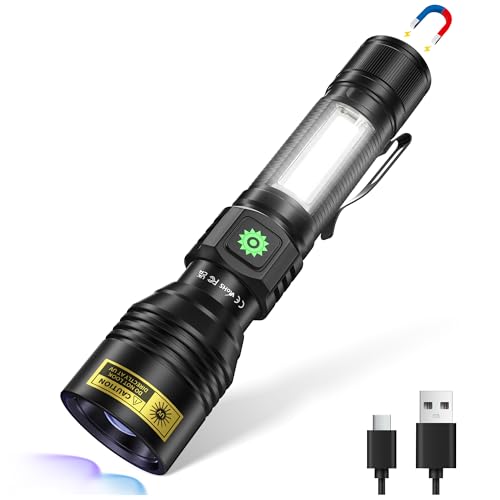
If you're serious about hunting Yooperlites along Lake Superior beaches or tracking down fluorescent sodalite in the field, the Convoy S2+ UV is the flashlight the mineral hunting community keeps coming back to. This is Convoy's legendary C8 design scaled down into a pocket-friendly body, and it punches well above its size class with genuine 365nm output backed by an LG or Nichia UV LED depending on the batch. The filter glass is true optical-quality black glass, not the painted purple plastic you find on budget lights — that distinction alone makes a dramatic difference in how your fluorescent specimens respond.
In practice, this light reveals Yooperlite fluorescence at ranges that embarrass lights twice its physical size. The focused beam is tight enough for field scanning at arm's length but not so narrow that you miss adjacent specimens. It slips into a jacket pocket without bulk, runs on a standard 18650 cell, and holds up to the kind of casual abuse a rockhound inflicts on their gear. The beam stays consistent throughout the charge cycle without the ugly dimming you get from cheaper drivers.
Beyond mineral hunting, this is a legitimate multi-use tool. It works for forensic stain detection, scorpion hunting on camping trips, checking HVAC refrigerant leaks, and authenticating currency. For the price point, the Convoy S2+ UV represents the best dollar-per-performance ratio on this entire list. This is the light we'd recommend to any newcomer who wants proven results without a steep learning curve.
Pros:
Cons:
LIGHTFE has built a reputation among UV professionals, and the UV301D is the model that established it. This mini flashlight delivers up to 3000mW of 365nm UV output — that's a serious number for a compact handheld device. The tempered black filter glass is a standout feature: it strips virtually all visible violet light from the beam, leaving you with clean ultraviolet that makes your fluorescent minerals glow without the distracting purple haze that cheaper lights produce. When you point this at a piece of fluorescent calcite or a Yooperlite, the color response is vivid and unmistakable.
The aluminum alloy reflector cup uses advanced coating technology to focus and maximize LED output, which means you're not wasting UV energy through poor optics. It's rated IPX-8 waterproof and survives a 4.9-foot drop, so field use is well within its design parameters. Resin curing is another strong application — the high-intensity focused beam cures UV adhesives quickly and thoroughly, which is why this model is popular in both maker communities and professional repair shops.
The UV301D is compact and lightweight enough to carry every day without noticing it. Battery life on standard AA or specialized cells is reasonable for its power output. If your use cases span both rockhounding and practical tasks like A/C leak detection or pet stain inspection, this is one of the most versatile picks on the list.
Pros:
Cons:
When you want professional-grade UV power in a handheld format without worrying about spare batteries, the ALONEFIRE SV003 is the answer. 10 watts of 365nm UV output is genuinely powerful — the 2400mW luminous power puts it in professional territory, capable of triggering fluorescence in minerals that weaker lights struggle to excite. The high-quality black UV filter optical lens filters out ambient visible light aggressively, so the UV you're getting is clean and concentrated. Specimens that produce subtle or weak fluorescence under standard UV lights often respond dramatically to this one.
The USB rechargeable design is a major practical advantage. You charge it like a phone, and the included battery means you're not hunting for the right cell size at a hardware store. The aluminum alloy body handles heat dissipation properly, which extends LED lifespan and keeps output consistent during extended inspection sessions. Whether you're going through a large batch of rocks at a gem show or systematically inspecting a museum-quality collection, the SV003 doesn't quit on you mid-session.
This flashlight spans a surprisingly wide range of tasks. It handles pet urine stain detection, scorpion hunting, bed bug inspection, fishing (certain lures and water features fluoresce), and general forensic work alongside its mineral applications. The build quality feels substantial — this isn't a toy, it's a tool. For rockhounds who want one rechargeable UV light that covers everything, the SV003 earns its spot near the top of the list.
Pros:
Cons:
The Everbeam 100W UV is a completely different category of product from the flashlights above. This is a flood light — a plug-in fixture designed to illuminate a large space with 365nm UV simultaneously. If you're building a UV mineral display room or a dedicated inspection station, nothing else on this list comes close. The 120-degree beam angle covers a wide swath of floor or display surface, and at 100 watts with UV-A LED bulbs, the fluorescence response from a whole tray of specimens at once is genuinely spectacular.
The IP66 waterproof rating means it handles outdoor installation in wet conditions, which opens up options for outdoor parties, halloween setups, aquarium illumination, and stage lighting alongside mineral display. The aluminum alloy housing absorbs impacts well, the tempered shatterproof lens adds long-term reliability, and the full-body heat sink design keeps operating temperatures in check. Everbeam rates this light at 50,000 operating hours — at three hours of nightly mineral display use, that's nearly 46 years of service.
For rockhounds with serious collections, this changes how you experience your minerals. You flip one switch and your entire display cabinet transforms. The trade-off is obvious: this requires a power outlet and a mounting position. It's not portable equipment. But for what it does — creating an immersive UV mineral display environment — it does it better than anything in this price range. If you're into terrariums and natural display setups too, check out our guide to the best terrarium containers for display ideas that complement UV mineral setups perfectly.
Pros:
Cons:
The HQRP Professional is a nine-LED 365nm flashlight in an aluminum body, specifically marketed toward gemstone and mineral inspection. It's a straightforward tool: no USB charging, no exotic driver, just nine 365-370nm LEDs and a reliable on/off switch running on three AAA batteries. For collectors who want a dedicated mineral light they can leave in their gem drawer or tackle box, this covers the basics without overcomplicating anything.
The aluminum body provides basic water resistance and a solid feel in hand. Nine LEDs spread the UV beam more evenly than a single-LED design, which can be useful when inspecting flat specimens or comparing multiple small stones side by side. The 365-370nm wavelength sits in the true longwave UV range that excites fluorescence in calcite, fluorite, willemite, hyalite opal, and dozens of other collector favorites. Battery replacement is trivial — AAA cells are everywhere, and you never need to charge before use.
This isn't the most powerful option on the list, and serious Yooperlite hunters will want something with higher output. But for casual inspection of purchased specimens, verifying fluorescence before buying at a gem show, or introducing a younger collector to the magic of UV minerals, the HQRP delivers honest results at a price that doesn't sting. Sometimes the right tool is just simple and reliable. You can explore more outdoor and nature hobby gear at our gardening reviews section, where we cover tools for outdoor enthusiasts.
Pros:
Cons:
This is the specialist's tool. Shortwave UV at 254nm reveals fluorescence that is completely invisible to longwave 365nm lights — minerals like calcite, scapolite, tremolite, and certain wollastonite specimens only fluoresce strongly under shortwave. Serious mineral collectors know that a complete UV inspection requires both longwave and shortwave sources. The WONDSUNSON delivers up to 220mW/cm² of shortwave UVC output through a ZWB3 optical filter that blocks visible light and transmits pure UV, which is the filter standard used in professional mineralogy equipment.
The design includes low voltage and temperature protection — important safety features for a UVC device. It operates on a 26650 rechargeable battery for substantial runtime, and the IP5-rated aluminum alloy body handles field and lab conditions. Beyond mineral fluorescence, this has legitimate applications in TLC chromatography plate analysis, forensic crime scene investigation, and scientific research — the same tasks a professional shortwave UV lamp handles, compressed into a portable handheld form factor.
Be clear-eyed about the safety requirements here. UVC at 254nm is harmful to eyes and skin with direct exposure — this is not a casual pocketflashlight. You use it with proper UV-blocking safety glasses, you never point it at people, and you're aware of what you're doing. With that discipline in place, this opens up a whole tier of fluorescence observation that longwave collectors miss entirely. If you've been collecting for years and wonder why some specimens don't respond to your 365nm light, shortwave is probably the answer. According to Wikipedia's overview of fluorescent minerals, many of the most prized specimens in the world are shortwave-only fluorescing specimens.
Pros:
Cons:
The 2026 upgrade version of the DARKDAWN gives you something no single-wavelength light can: on-the-fly switching between 395nm purple light, 365nm true UV, and combined dual-UV operation, plus a hidden COB white light mode. This is genuinely useful for mineral inspection because different specimens respond to different wavelengths, and being able to toggle between them on the same light without swapping gear is a real advantage in the field. The three-in-one UV plus white light design handles everything from mineral fluorescence comparison to general illumination when you need to see what you're doing in the dark.
Adjustable focus from a 1,250-square-foot floodlight angle down to a 328-foot narrow beam is impressive range for a handheld UV flashlight. The upgraded LED beads provide higher output than earlier iterations, and the USB-C charging delivers 13-15 hours of runtime on a full charge — that's enough for a full day of rockhounding without reaching for a cable. The bottom magnetic mount is a thoughtful addition, letting you stick the light to a metal surface and free your hands for specimen examination or note-taking.
The 395nm mode is less pure UV than 365nm — it produces more visible purple light and is less effective on specimens that need true longwave UV excitation. But many common fluorescent minerals respond well to 395nm, and for practical tasks like detecting pet stains or banknote verification, 395nm works fine. The ability to use both simultaneously gives you maximum coverage. If you've been looking for one do-it-all UV tool that covers mineral hunting, practical household detection, and outdoor use, the DARKDAWN 2026 model is your answer.
Pros:
Cons:
Before you spend money on a UV light for mineral inspection, there are four specifications that actually determine whether you get brilliant fluorescence or a dim purple glow. Here's what you need to know.
Wavelength is the single most important factor. The UV spectrum matters enormously because different minerals fluoresce at different wavelengths, and different UV sources vary in how much useful UV they actually produce.
The filter is what separates a true UV light from a gimmick. A quality optical black glass filter (sometimes called ZWB2 for 365nm, ZWB3 for shortwave) transmits ultraviolet while blocking visible light. Without it, you get a bright purple beam that drowns out the subtle fluorescence you're trying to see. Cheap lights use purple-painted plastic filters that transmit huge amounts of visible light. You can test a filter quality: in a dark room, a good 365nm light should appear almost invisible to the naked eye because it emits very little visible light. If you see a strong purple glow from the front of the flashlight, the filter is low quality.
More power equals more visible fluorescence, especially for specimens with weak or subtle response. For casual home collection inspection, 3-5 watts of 365nm UV is sufficient. For field hunting, Yooperlite scanning, or pulling weak-fluorescence specimens out of a bag of rocks, 10 watts produces noticeably better results. The Everbeam 100W flood is in a different category entirely — it's sized for room-scale display illumination, not handheld inspection.
For field use, rechargeable lights save you money and the hassle of battery management. USB-C charging (like the DARKDAWN and ALONEFIRE models) is the most convenient modern standard — the same cable that charges your phone charges your UV light. Battery-powered models using 18650 cells (like the Convoy S2+) are favored by enthusiasts because 18650 cells are high-capacity, replaceable, and standardized. Simple AAA or AA models (like the HQRP) are grab-and-go tools you never need to think about. For plug-in flood lights, none of this applies — you're on AC power and output is limited only by the fixture's design.
365nm longwave UV is the best all-around wavelength for mineral fluorescence. It excites the widest range of fluorescent minerals, including calcite, fluorite, willemite, hyalite opal, and Yooperlites. Shortwave 254nm UV reveals additional fluorescence in specimens that don't respond to longwave, but it requires safety glasses and careful handling. Avoid 395nm "UV" lights marketed to general consumers — they produce mostly visible purple light and miss the majority of fluorescent minerals.
365nm is true longwave ultraviolet — mostly invisible to the naked eye, with high energy that excites fluorescence in a wide range of minerals. A quality 365nm light with a black glass filter appears nearly dark from the front because almost all output is UV. 395nm sits closer to visible violet light, produces a bright purple beam, and excites far fewer minerals. Many inexpensive "UV flashlights" sold for home use are actually 395nm. For mineral fluorescence, 365nm is non-negotiable.
Longwave 365nm UV flashlights are safe for normal use with basic precautions: don't stare directly into the beam or shine it at someone's eyes, and limit prolonged skin exposure. For shortwave 254nm UVC lights, safety becomes critical — direct UVC exposure damages eyes and skin quickly, and proper UV-blocking safety glasses are required. Shortwave UV tools should be treated with the same respect as any professional laboratory instrument. All the 365nm lights on this list are safe for rockhounding and collection use with normal common sense precautions.
Hundreds of minerals show UV fluorescence, but the most commonly collected fluorescent specimens include calcite (which may glow red, pink, orange, or blue depending on origin), fluorite (blue to violet), willemite (vivid green), hyalite opal (bright green), sodalite varieties including Yooperlites (orange), scheelite (sky blue), and many varieties of apatite. The color and intensity of fluorescence varies by mineral chemistry and trace element content. Not all specimens of a given mineral fluoresce — locality matters significantly, which makes UV inspection exciting for sourcing decisions.
Absolutely. The same 365nm UV lights that excel at mineral fluorescence also detect pet urine stains on carpets and upholstery (which fluoresce bright yellow-green), reveal scorpions in the dark (they glow blue-green), detect HVAC and A/C refrigerant leaks, identify counterfeit currency (security features fluoresce under UV), cure UV-reactive resin and adhesives, and support forensic analysis. The Convoy S2+, LIGHTFE UV301D, ALONEFIRE SV003, and DARKDAWN dual-light are all explicitly multi-purpose tools designed for this range of applications.
For a serious collection, yes. Longwave 365nm covers the majority of fluorescent minerals and is your primary tool. Shortwave 254nm reveals specimens that don't respond to longwave at all — some of the most spectacular fluorescent minerals, including certain calcites and scapolites, are shortwave-only. Midwave UV (around 302nm) is a third option used less commonly. Most collectors start with a quality 365nm light and add shortwave later once they've identified specimens in their collection that don't respond to longwave. The WONDSUNSON 254nm pairs well alongside any of the 365nm lights in this guide.

The right UV light transforms how you experience your mineral collection — and in 2026, you have no excuse to settle for a dim 395nm light when quality 365nm options are more accessible than ever. Start with the Convoy S2+ UV if you're hunting Yooperlites or want a proven all-arounder, step up to the ALONEFIRE SV003 if you need rechargeable high-wattage power, add the WONDSUNSON 254nm when you're ready to explore shortwave fluorescence, and invest in the Everbeam 100W flood when your collection deserves a proper display room — pick the one that matches your use case, order it today, and go make your rocks glow.
 |
 |
 |
 |

About Truman Perkins
Truman Perkins is a Detroit-based SEO consultant who's been in the business for over a decade. He got his start helping friends and clients get their websites off the ground, and he continues to do so today. In his free time, Truman enjoys learning and writing about gardening - something he believes is a natural stress reliever. He lives with his wife, Jenny, and their twins in Detroit.


Get new FREE Gifts. Or latest free growing e-books from our latest works.
Disable Ad block to reveal all the links. Once done, hit a button below
|
|
|
|
 rinjal