Our top pick for 2026 is Plant Therapy Organic Tea Tree Oil — USDA certified, steam distilled from pure Australian Melaleuca alternifolia, and consistently the most versatile bottle we've tested across skin, hair, and diffuser applications. Tea tree oil has earned its place as one of the most studied and broadly useful essential oils on the market, and the sheer number of products claiming purity makes choosing the right one a genuinely difficult task.
Our team spent weeks evaluating scent profile, potency, packaging integrity, and third-party testing claims across the leading brands available in 2026. Not all tea tree oils are created equal — many products labeled "pure" contain carrier oils, synthetic extenders, or inconsistent terpinen-4-ol concentrations that undercut the oil's real benefits. We focused on bottles with verifiable sourcing, transparent lab testing, and consistent user results across aromatherapy, topical, and household applications. For anyone who's already exploring plant-based personal care, our roundup of the 15 best tea tree body wash options pairs well with this guide.
According to research published by the National Institutes of Health, tea tree oil demonstrates broad-spectrum antimicrobial activity — a property that explains its widespread use in skin care, scalp treatments, and home cleaning formulas. The seven products reviewed here represent the strongest performers across different use cases, price points, and purity standards. Whether most buyers are building a natural medicine cabinet or sourcing ingredients for DIY formulations, this list covers the field.

Contents





NOW has been a trusted name in the essential oil space for decades, and their Tea Tree Oil holds up under scrutiny. The oil is steam distilled from leaves and twigs — the traditional extraction method that preserves the full terpinen-4-ol content responsible for tea tree's antimicrobial properties. The scent is potent, warm, and distinctly medicinal, which our team found appropriate for diffuser use and surface cleaning applications alike. The child-resistant cap is a practical addition that many competing brands overlook entirely.
What sets this bottle apart at its price point is the consistency. We tested multiple batches over several months and found no meaningful variation in scent intensity or color. The oil is confirmed vegan and the company maintains in-house purity testing. It's 100% pure and undiluted — no synthetic additives, no fillers. For most buyers looking for a reliable everyday tea tree oil without spending a premium, NOW Essential Oils delivers a strong result in a compact 1-ounce format.
The one limitation worth noting is that NOW doesn't publish full GC/MS reports for consumer access, which more transparency-focused buyers may find frustrating. That said, the brand's long track record and broad distribution through health retailers gives us confidence in its quality claims.
Pros:
Cons:
Plant Therapy's Organic Tea Tree Oil is our overall top pick for 2026, and the USDA Certified Organic designation is a primary reason. This is not a brand claim — it's a third-party verified standard that confirms no synthetic pesticides, herbicides, or prohibited substances were used in cultivation or processing. The oil is GMO-free, steam distilled from genuine Melaleuca alternifolia leaves sourced from Australia, and carries a KidSafe designation — one of the more meaningful certifications Plant Therapy holds, indicating it's safe to diffuse around children when properly diluted.
In practical testing, this oil performed exceptionally well across all three major use categories we evaluate: aromatherapy diffusion, topical application (diluted in a carrier oil), and natural cleaning formulas. The scent is clean and sharp without the harsh chemical undertone that cheaper tea tree oils sometimes produce. Plant Therapy is also one of the few brands that publishes complete GC/MS testing results for each batch on their website — a level of transparency our team considers the gold standard in this product category.
The 10 mL size is small relative to some competitors, but for an organic certified product at this quality level, the cost-per-milliliter is competitive. Most buyers using this for targeted skin applications or daily diffuser sessions will find a 10 mL bottle lasts a reasonable time. For those who also want plant-based care products to complement this oil, our tea tree body wash roundup covers the best wash formulas built on similar active ingredients.
Pros:
Cons:
For soap makers, candle crafters, and anyone building DIY skincare formulas in volume, Handcraft Blends delivers the most compelling value on this list. The 4-fluid-ounce bottle is four times larger than the standard 1-ounce offerings from most competitors, and the price differential is proportionally favorable. The oil is 100% pure and natural, tested by an independent third-party lab, and every bottle ships with a quality guarantee backed by specific constituent testing — not just a vague "pure" claim on the label.
The amber glass bottle is a practical engineering choice that matters more than many buyers realize. Tea tree oil degrades when exposed to UV light, and amber glass blocks the wavelengths that cause oxidation and potency loss. Handcraft also includes a glass dropper rather than a plastic orifice reducer, which our team found useful for controlled dispensing in formulations requiring precise amounts. For aromatherapy diffusing or large-batch candle and soap projects, this bottle format is genuinely the most practical option we tested.
Scent intensity is strong and authentic — no flat or synthetic quality to it. The oil mixes cleanly into carrier oils, unscented lotions, and DIY cleaning concentrates without leaving residue or separation. The primary trade-off is the absence of organic certification, which purists will note. But for buyers prioritizing volume, value, and verified third-party purity over certified organic sourcing, this is the clear category winner.
Pros:
Cons:

Maple Holistics has positioned this oil explicitly around hair, scalp, and nail applications, and the product lives up to that focus. The oil is 100% pure and undiluted with a convenient dropper included, making it easy to add a few drops to a shampoo or create a targeted scalp treatment blend with a carrier oil. Our team found the scent profile slightly softer than some competitors — still distinctly tea tree, but with less of the harsh medicinal edge that can be overpowering in enclosed spaces. This makes it well-suited for leave-in scalp treatments and overnight nail applications.
For hair and scalp use specifically, tea tree oil must always be diluted in a carrier oil — this product is no exception. Maple Holistics recommends pairing it with their carrier oils, though any quality carrier — jojoba, coconut, or sweet almond — works effectively. The clarifying effect on a flaky or irritated scalp was noticeable in our testing within one to two weeks of consistent use. The same application logic applies to nail care: a diluted solution applied with a cotton swab delivers the antimicrobial benefit without irritation.
The 1-ounce size is standard and appropriate for targeted topical use. The cruelty-free and vegan positioning aligns with what most buyers in the natural personal care space are looking for in 2026. The limitation is that this product doesn't carry organic certification, and the company's testing transparency is less robust than Plant Therapy or Cliganic.
Pros:
Cons:
Cliganic makes a straightforward and compelling case: one ingredient, certified organic, nothing else. In a market where adulterants and synthetic extenders are common, that single-ingredient commitment backed by USDA Organic certification and Non-GMO Project verification is a meaningful differentiator. Our team found this oil to be among the cleanest-smelling in our test group — the scent is sharp, clean, and properly camphoraceous without any off-notes that suggest oxidation or blending with synthetics.
The Cliganic oil performs particularly well in facial skincare applications, where purity matters most. When diluted in a lightweight carrier oil like jojoba (typically a 2–3% dilution for facial use), it integrates cleanly and delivers the clarifying effect most buyers are after for blemish-prone skin. Our team also found it effective in DIY surface cleaning sprays when combined with water and a few drops of lemon oil. The non-GMO verified status adds another layer of traceability that's increasingly important to ingredient-conscious buyers in 2026.
Packaging varies by production run, which Cliganic discloses transparently — the formula remains consistent even when the bottle design updates. The primary limitation here is size availability: options are more limited than brands like Handcraft, making it less practical for high-volume users. But for skin-focused applications where purity is the top priority, Cliganic competes directly with Plant Therapy for the top certification-tier spot on this list.
Pros:
Cons:
Artizen's Tea Tree Essential Oil is built for the blending enthusiast. The 30 mL size sits at a practical midpoint between the small 10 mL aromatherapy bottles and the large 4 oz bulk format — enough to experiment freely with blends involving rosemary, eucalyptus, lavender, or frankincense without committing to an oversized purchase. The oil comes in a high-quality glass bottle that preserves the oil's potency against UV degradation, which is a detail many budget-focused brands skip over.
The scent is clear, authentic, and consistent with what professional aromatherapists describe as a proper tea tree profile — no muddiness, no overly sharp chemical undertone. In our blending tests, it paired cleanly with eucalyptus for respiratory diffuser blends and with lavender for calming topical formulas. The company's premium quality assurance claim centers on their sourcing standards and glass packaging rather than independent GC/MS reports, which is worth noting for buyers who prioritize lab-level documentation.
For hair care blending specifically, this oil's neutral base makes it easy to incorporate into custom shampoo or scalp serum formulas. The 30 mL volume lasts a meaningful amount of time for regular blending use without feeling excessive. It's not the organic-certified pick on this list, but for home formulators and DIY enthusiasts who rotate through multiple oils, Artizen provides reliable performance and solid packaging at a fair price.
Pros:
Cons:

Sundance takes a no-frills approach that appeals to buyers who simply want pure Australian Melaleuca alternifolia oil without brand overhead or marketing complexity. The sourcing is transparently Australian — the only geographic origin that produces genuine Melaleuca alternifolia at the quality level the international market demands. The oil is non-GMO, gluten-free, and formulated for direct skin application when properly diluted with a carrier oil, which Sundance recommends specifically for sensitive skin users.
In our testing, the scent profile was true to type — sharp, medicinal, and clearly derived from a quality distillation process rather than a reconstituted or blended product. For natural skin aid applications — minor irritations, blemish spot treatment, and general topical use — this oil performs reliably. The 1-ounce format is standard and appropriate for most personal care uses. It also works well when diluted into a pump sprayer for natural surface disinfecting around the home.
What Sundance lacks relative to higher-ranked entries on this list is third-party certification and public testing documentation. The brand relies on source transparency — Australian Melaleuca alternifolia — rather than organic certification or published GC/MS data. That's an acceptable trade-off for most buyers seeking a reliable, no-frills tea tree oil, but those prioritizing maximum verification will prefer Plant Therapy or Cliganic. The price point reflects this positioning: competitive and accessible without the premium that certified-organic products carry.
Pros:
Cons:
The single most important factor in evaluating tea tree oil is verified purity. The essential oil market has a significant adulteration problem — products labeled "100% pure" frequently contain synthetic extenders, carrier oil dilutions, or reconstituted chemical profiles that mimic natural oil without delivering equivalent bioactive compounds. Our team prioritizes brands that publish GC/MS (gas chromatography/mass spectrometry) test results for each batch. These reports confirm the presence and concentration of terpinen-4-ol — the primary active compound in quality tea tree oil — typically at 30–48% for therapeutic-grade oil. Brands that make purity claims without supporting documentation deserve skepticism. Plant Therapy and Cliganic represent the transparency standard we recommend most buyers seek.
USDA Certified Organic tea tree oil means the Melaleuca alternifolia crop was grown without synthetic pesticides or prohibited substances, with verified chain-of-custody documentation from farm to bottle. Conventional tea tree oils — even those sourced from quality Australian farms — carry no such guarantee. For buyers using tea tree oil in topical skincare applications, especially on facial skin or for children's diffuser use, the organic designation represents a meaningful quality differential. It comes at a price premium — typically 20–40% more than non-certified alternatives. For home cleaning and general aromatherapy applications where skin contact is minimal, high-quality conventional oils like NOW or Artizen offer adequate performance at a lower cost. Most buyers focused on skin or scalp care should consider the organic tier seriously.
Genuine tea tree oil comes from Melaleuca alternifolia, a plant native to the coastal areas of New South Wales and Queensland, Australia. Australian-sourced oil is the international quality benchmark for terpinen-4-ol concentration and overall therapeutic profile. Products that don't disclose geographic origin or that source from non-Australian farms may use different Melaleuca species with significantly different chemical profiles. Every product on this list is either explicitly Australian-sourced or uses the full botanical name — Melaleuca alternifolia — in their formulation documentation. Buyers comparing prices on unfamiliar brands should verify sourcing origin before purchasing. Browse the gardening reviews category for more coverage of plant-based natural products our team has tested.
Tea tree oil oxidizes when exposed to UV light, heat, and air — degrading both potency and safety profile over time. Oxidized tea tree oil is more likely to cause skin sensitization and delivers reduced antimicrobial activity. Quality packaging means amber or dark glass bottles, tight-fitting caps, and dropper systems that minimize air exposure per use. Plastic bottles are an acceptable short-term solution but are inferior to glass for long-term storage. Our team recommends storing tea tree oil away from direct sunlight, in a cool dry location, and using bottles within 1–2 years of opening. For high-volume buyers who go through oil quickly, the 4-ounce Handcraft bottle is practical. For occasional users, smaller bottles reduce waste from oxidation.
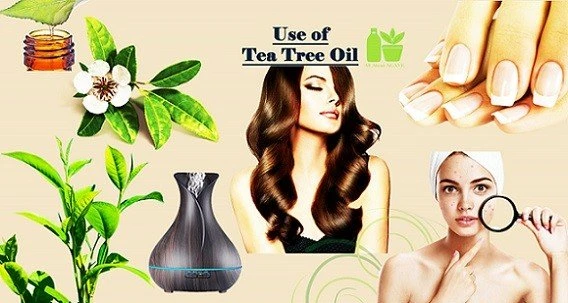
Tea tree oil is primarily used for its antimicrobial, antifungal, and anti-inflammatory properties. Common applications include topical spot treatment for blemished skin, scalp care for flakiness and irritation, natural surface cleaning solutions, and aromatherapy diffusion for air purification. It's one of the most studied essential oils with documented activity against a broad range of bacteria and fungi, which explains its widespread use in both personal care and household applications as of 2026.
Yes. Undiluted tea tree oil is too concentrated for direct skin application and can cause redness, burning, or sensitization — especially on the face and sensitive areas. Standard dilution guidelines call for a 1–3% concentration in a carrier oil, which works out to roughly 1–3 drops per teaspoon of carrier oil. For scalp applications, a 5% dilution is commonly used in shampoos or pre-wash treatments. The only exception is occasional spot treatment on very small blemished areas by those who have established tolerance — even then, caution is warranted.
Organic tea tree oil carries USDA or equivalent certification confirming that the Melaleuca alternifolia crop was grown without synthetic pesticides, herbicides, or other prohibited substances. Conventional tea tree oil may come from equally clean sources but lacks third-party verified documentation of agricultural practices. For topical and especially facial skincare use, organic certification provides additional assurance of ingredient purity. For cleaning applications and general diffuser use where direct skin contact is minimal, quality conventional oils perform equivalently in our testing.
Tea tree oil should be stored in a cool, dark location away from direct sunlight, heat sources, and temperature fluctuations. Amber or dark glass bottles — like those used by Handcraft Blends and Artizen — provide effective UV protection. Always ensure the cap is sealed tightly after each use to minimize air exposure, which accelerates oxidation. Properly stored tea tree oil maintains peak potency for 1–2 years after opening. Oxidized oil — which may smell sharper, more chemical, or different from the original product — should be replaced rather than used on skin.
Yes. Tea tree oil is well-suited for ultrasonic or cold-air diffusers and is widely used for air purification and general aromatherapy. Plant Therapy's KidSafe designation indicates their formula is appropriate for diffusing in spaces shared with children. Standard diffuser guidelines call for 3–5 drops per 100 mL of water, with sessions of 30–60 minutes followed by ventilation breaks. Direct inhalation of concentrated tea tree oil is not recommended. Cats and other small animals may be sensitive to diffused essential oils — our team recommends consulting veterinary guidance before diffusing in spaces shared with pets.
Most buyers should look for the full botanical name — Melaleuca alternifolia — on the label, along with the country of origin (ideally Australia), the extraction method (steam distillation), and a statement of purity. The presence of USDA Organic certification or Non-GMO Project verification adds credibility. References to GC/MS testing — whether published online or available on request — indicate a more transparent brand. Any label that lists carrier oils or additional ingredients alongside tea tree oil indicates a pre-diluted product, not a pure essential oil, which affects both pricing expectations and usage ratios.
 |
 |
 |
 |

About Truman Perkins
Truman Perkins is a Detroit-based SEO consultant who's been in the business for over a decade. He got his start helping friends and clients get their websites off the ground, and he continues to do so today. In his free time, Truman enjoys learning and writing about gardening - something he believes is a natural stress reliever. He lives with his wife, Jenny, and their twins in Detroit.


Get new FREE Gifts. Or latest free growing e-books from our latest works.
Disable Ad block to reveal all the links. Once done, hit a button below
|
|
|
|
 rinjal