Which flaxseed oil actually delivers on its omega-3 promises — and which ones are just expensive bottles of rancid fat? If you've spent any time in the supplement aisle, you know the options are overwhelming. Our top pick for 2026 is Barlean's Organic Flaxseed Oil, a cold-pressed, unrefined liquid that consistently outperforms the competition in purity, taste, and potency.
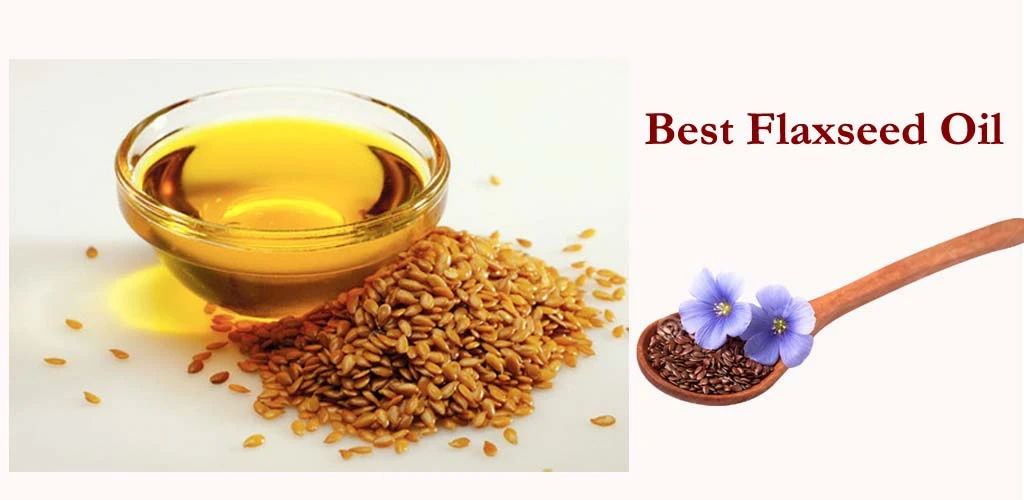
Flaxseed oil is one of the richest plant-based sources of alpha-linolenic acid (ALA), the essential omega-3 fatty acid your body cannot manufacture on its own. Whether you're a vegan looking for a fish-free alternative, someone focused on heart health, or just trying to give your skin and hair a boost, adding a quality flaxseed oil to your routine makes a measurable difference. The challenge is knowing which products are worth your money and which ones cut corners on processing, sourcing, or storage.
In this guide, we've reviewed the 7 best flaxseed oil supplements available in 2026, covering liquid oils, softgels, and everything in between. We've also put together a buying guide so you know exactly what to look for — from ALA concentration and extraction method to freshness indicators and dosage. If you're interested in other plant-based wellness supplements, check out our roundup of 13 Best Black Seed Oil Reviews and our guide to 10 Best Camellia Oils for Face. For more health and garden supplement picks, browse the full gardening reviews section.
Contents






Barlean's has been the benchmark for liquid flaxseed oil for years, and the 2026 formula hasn't changed what was already working. This 8 oz bottle delivers 7,640mg of ALA omega-3 per serving — extracted via cold press without heat or chemical solvents, which preserves the full spectrum of omegas 3, 6, and 9. The oil is certified organic and non-GMO, made from seeds that are protected from light and heat at every stage from pressing to bottling. That level of care shows in the flavor: it's genuinely mild and nutty, not the bitter, fishy-aftertaste nightmare you get from cheaper brands.
What sets Barlean's apart from softgel competitors is versatility. You can drizzle it over salads, blend it into smoothies, or take it straight off the spoon. It's 100% vegan and gluten-free, which makes it an easy recommendation for plant-based eaters who want to skip fish oil entirely. The 8 oz size is ideal if you're new to liquid flaxseed oil — enough to try it properly without committing to a large volume that might go rancid before you finish.
One thing to keep in mind: all liquid flaxseed oil oxidizes once opened. Refrigerate immediately after opening and use within 6–8 weeks. Barlean's does include freshness protocols in production, but once the seal is broken, storage discipline is on you.
Pros:
Cons:

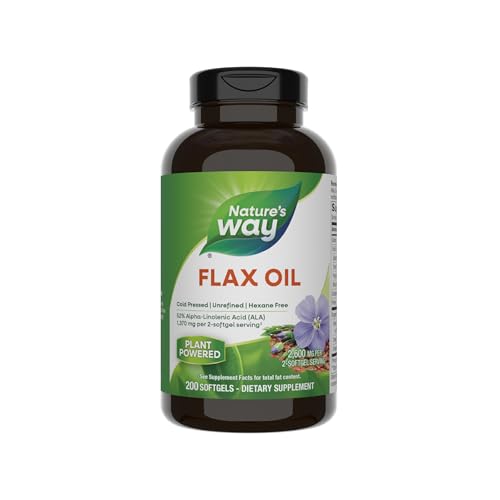
If you want the potency of high-ALA flaxseed oil in a form that doesn't require refrigeration or taste management, Nature's Way Max Strength softgels are your answer. Each serving is guaranteed to contain 52% ALA — that's a specific, verifiable claim that most competitors don't make. The oil is cold pressed and unrefined, so you're getting a product that maintains the structural integrity of the fatty acids rather than a heat-processed, deodorized version.
The 200-softgel count is a serious advantage. At 2 softgels taken 2–3 times daily, you're looking at roughly 33–50 day supply per bottle, depending on your dosage protocol. The softgel format also sidesteps the biggest complaint about liquid oils: oxidation and refrigeration requirements. Nature's Way softgels are nitrogen-flushed and sealed, meaning the oil inside stays fresher for much longer than an open bottle of liquid oil sitting in your fridge.
These are particularly useful if you travel frequently or just don't want to think about storage. The dosing flexibility — 2 softgels two to three times daily — lets you adjust your intake based on your dietary needs. For heart health support or as a base omega-3 when fish oil isn't an option, this is a dependable, no-fuss choice.
Pros:
Cons:
NOW Foods has built its reputation on clean, no-filler supplements, and the Flax Oil 1000 mg veg softgels live up to that standard. The key differentiator here is the capsule itself: these are vegetarian softgels, not the standard gelatin-based shells used by most competitors. If you're strictly vegan, this matters — Nature's Way and Nature Made both use gelatin. NOW uses a plant-based capsule shell that delivers the same protection without the animal-derived ingredient.
The oil inside is cold pressed and hexane-free, which means no petrochemical solvents were used in extraction. Each softgel contains 1000 mg of flax oil rich in ALA (alpha-linolenic acid), the essential omega-3 the body cannot synthesize. NOW also highlights the cardiovascular and skin health support documented in clinical literature, backing their claims with references to published research rather than just marketing language. The 120 veg softgel count represents a solid 2-month supply at the standard dose.
The 1000 mg dose per softgel is on the moderate side compared to Nature Made's 1400 mg, but the vegan capsule and hexane-free extraction justify the category for plant-based buyers who won't compromise. This is the go-to pick if your vegan commitment is non-negotiable and you don't want to deal with liquid oil management.
Pros:
Cons:

Flora's Certified Organic Flax Seed Oil stands out in a crowded liquid oil market for one critical reason: it comes in an amber glass bottle. Light is one of the primary culprits in flaxseed oil oxidation, and most competitors ship in opaque plastic. Glass doesn't leach plasticizers into the oil, and amber glass blocks the UV wavelengths that accelerate rancidity. If you care about purity and freshness at a molecular level, this packaging choice is a meaningful advantage — not a marketing gimmick.
The 17 oz size is generous, and Flora's seed-to-bottle process is genuinely transparent. Their flax seeds are sustainably sourced, certified organic, non-GMO, gluten-free, and free of heavy metals. The oil is nitrogen-flushed before sealing, which displaces the oxygen that causes oxidation. On taste, Flora fans consistently describe it as mild and pleasant enough to drink straight or mix into dressings, shakes, and sauces without overpowering the other flavors. Do not heat it — like all flaxseed oil, high temperatures destroy the omega-3 fatty acid structure.
At 1 tablespoon up to 3 times daily, this bottle gives you a substantial supply. The versatility is real — you can genuinely use it the same way you'd use olive oil for cold applications. Flora also notes that this product is kosher, which expands its accessibility. The only real discipline required is refrigerating after opening and using the contents within 2 months.
Pros:
Cons:

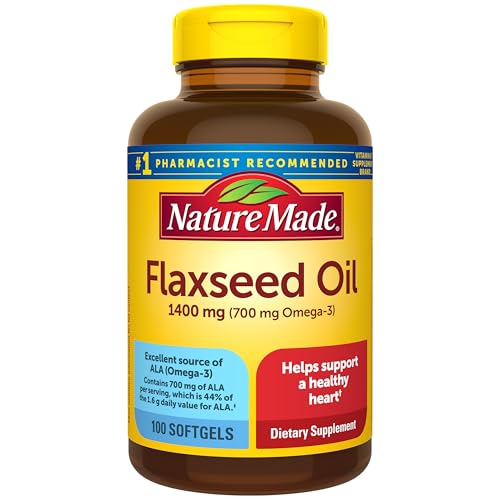
Nature Made is one of the most widely recognized supplement brands in the US, and their Extra Strength Flaxseed Oil 1400 mg softgels are a reliable workhorse in the omega-3 category. Each softgel contains 1400 mg of organic flaxseed oil, delivering 700 mg of omega-3 per capsule — that's a solid dose in a single, easy-to-swallow form. The 100-count bottle gives you a full 100-day supply at one softgel per day, making this one of the most cost-efficient options on this list when you do the math per dose.
Nature Made positions this specifically as a heart health supplement, which aligns with the clinical research on ALA and cardiovascular support. According to the NIH Office of Dietary Supplements, omega-3 fatty acids including ALA from plant sources contribute to heart health as part of a balanced diet. The organic flaxseed oil inside is fish-free, which makes this a direct competitor to fish oil softgels for people who prefer plant-based omega sources.
The trade-off versus more specialized brands is that Nature Made doesn't publish specific ALA percentage data on the front label. You're trusting the brand's quality control rather than an independently guaranteed spec. Nature Made does have USP verification on many products, which provides some independent quality assurance. For a mainstream supplement purchase at an accessible price point, this is the most practical everyday buy in the softgel category.
Pros:
Cons:
If your goal is to add ALA omega-3 to your diet without spending heavily, this 1250 mg flaxseed oil delivers a clean, effective product at a price point that's hard to argue with. Each softgel contains 1250 mg of cold-pressed flaxseed oil derived from the flax plant — one of the most concentrated plant sources of omega-3 found in nature. No chemical solvents, no fillers, no proprietary blends. You're getting straight flaxseed oil in a convenient softgel form.
The formulation emphasizes immune and skin health support via ALA, which is consistent with the published research on omega-3 fatty acids. The 100-softgel count at one per day is a reasonable starting supply for someone new to flaxseed supplementation who wants to test tolerance before committing to a larger order. The cold-press extraction without chemical solvents mirrors the processing quality you find in premium brands, just without the organic certification or glass bottle.
The packaging and brand presentation are more utilitarian than Barlean's or Flora, and there's no independent ALA percentage guarantee. But if you're comparing cost-per-milligram of flaxseed oil, this product holds its own. It's a solid entry-level buy for anyone who wants to establish a baseline omega-3 habit before investing in a premium product.
Pros:
Cons:
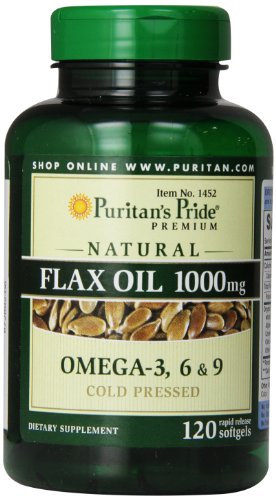
Puritan's Pride is a veteran supplement company with decades of manufacturing experience, and their Premium Natural Flax Oil 1000 mg softgels reflect that institutional knowledge. The specific value proposition here is the complete omega 3, 6, and 9 profile in a single 1000 mg dose. Most flaxseed oil supplements lead with ALA (omega-3) and treat the rest as a footnote. Puritan's Pride positions this as a comprehensive essential fatty acid supplement for buyers who want all three omega types addressed simultaneously.
The 120-softgel count gives you a solid 4-month supply at one softgel per day, or roughly 2 months at the two-per-day dose. Cold pressing is used in the extraction process, which maintains the oil's fatty acid structure. The softgels themselves are compact compared to some 1400 mg competitors, making them easier to integrate into a daily supplement routine without the gulp-and-hope moment of oversized capsules.
Puritan's Pride doesn't lead with organic certification on this product, which matters if that's a priority for you. But for users who want balanced omega fatty acid supplementation from a known, reliable brand — without paying premium prices — this 120-count bottle is a pragmatic, well-rounded choice. It fits naturally alongside other wellness supplements and is easy to find through the brand's direct sales channels.
Pros:
Cons:
The flaxseed oil market in 2026 is packed with options across formats, concentrations, and certifications. Before you buy, you need to understand what actually separates a quality product from a mediocre one. These four criteria will guide your decision more reliably than marketing copy ever will.
ALA (alpha-linolenic acid) is the whole point of flaxseed oil. You want to know two things: how much is in each serving, and how the oil was processed. Cold pressing without chemical solvents is the gold standard — it preserves the delicate fatty acid structures that heat and hexane destroy. Products that guarantee a specific ALA percentage (like Nature's Way at 52% per serving) give you measurable quality assurance. Products that simply say "rich in omega-3" without numbers are making a softer claim. Ask yourself: does this product tell me exactly how much ALA I'm getting? If not, look for one that does.
This is a practical lifestyle decision, not just a preference. Liquid flaxseed oil gives you the highest ALA per serving and maximum versatility — you can cook with it cold, add it to food, and control your exact dose down to the teaspoon. The downside is that liquid oil requires refrigeration, goes rancid within weeks of opening, and is inconvenient for travel. Softgels solve all of those problems: they're shelf-stable, portable, and pre-dosed. The trade-off is that you're limited to the manufacturer's capsule size. Vegans need to check the capsule material — most are gelatin (animal-derived). NOW Foods is the standout exception with plant-based veg softgels. If you're prioritizing raw potency and culinary flexibility, go liquid. If you prioritize convenience, go softgel.
Flaxseed oil is a concentrated product. The quality of the source seeds directly determines the quality of the oil. USDA organic certification means the seeds were grown without synthetic pesticides or fertilizers — important when you're concentrating plant compounds. Non-GMO verification adds another layer of assurance. Flora and Barlean's both offer certified organic products and publish their seed sourcing practices. Nature Made uses organic flaxseed oil but doesn't lead with independent third-party certification on this product. If purity is your top priority, organic certification from a recognized body is the most reliable signal.
Flaxseed oil oxidizes faster than almost any other culinary or supplement oil. Rancid oil doesn't just taste bad — it potentially delivers oxidized fatty acids that work against your health goals rather than supporting them. Check these freshness indicators before buying:
If you're comparing flaxseed oil to other wellness-focused plant oils, you might also find it useful to look at our review of Best Avocado Oil for Cooking, Hair and Skin — avocado oil has a much longer shelf life and higher heat stability for different use cases.
Flaxseed oil is primarily valued as a plant-based source of ALA omega-3 fatty acids, which support cardiovascular health, skin hydration, and immune function. It's commonly used as a fish-free alternative to fish oil for people following vegan or vegetarian diets. Regular consumption has also been associated with improved hair and nail health, and some research points to anti-inflammatory properties that benefit joint health over time.
Most supplement manufacturers recommend 1–2 tablespoons of liquid oil per day, or 1–2 softgels taken two to three times daily depending on concentration. A common daily target for ALA is around 1,600 mg for men and 1,100 mg for women, per standard dietary guidelines. Always follow the specific dosage on your chosen product and consult a healthcare provider if you're managing a cardiovascular condition or taking blood-thinning medications.
No. Flaxseed oil provides ALA (alpha-linolenic acid), a short-chain omega-3. Fish oil provides EPA and DHA, the long-chain omega-3s that the body can use most directly for heart and brain health. Your body can convert ALA to EPA and DHA, but the conversion rate is low — typically under 10%. Flaxseed oil is a viable fish-free alternative, but if your primary goal is EPA/DHA intake, fish oil or algae-based omega-3 supplements are more efficient sources.
Yes — faster than most oils. Flaxseed oil is highly polyunsaturated, which makes it extremely susceptible to oxidation from heat, light, and air exposure. Always refrigerate after opening and use within 6–8 weeks. If your liquid oil smells sharp, paint-like, or strongly fishy, it has oxidized and should be discarded. Softgels in sealed packaging have significantly better shelf stability but should still be stored in a cool, dry place away from direct sunlight.
No. Flaxseed oil has a very low smoke point and breaks down rapidly when heated, converting its beneficial omega-3 fatty acids into harmful oxidized compounds. Use it exclusively in cold applications: drizzled over finished dishes, mixed into smoothies, blended into salad dressings, or taken directly by the spoon. For high-heat cooking, you need a stable oil like avocado or refined coconut oil instead.
Yes, and the evidence supports it. The ALA in flaxseed oil contributes to the lipid barrier function of skin, helping retain moisture and reduce inflammation that can cause dryness and irritation. For hair, regular omega-3 supplementation is associated with reduced hair loss and improved hair thickness in some clinical studies. Both topical application and dietary supplementation show benefits, though the internal route produces more systemic results. Brands like Barlean's specifically market their product for skin and hair care based on this research.
The best flaxseed oil for you in 2026 depends on your format preference, diet, and daily routine — but every product on this list delivers real, research-backed omega-3 support. Start with Barlean's Organic if you want the highest-potency liquid option, or go with Nature's Way Max Strength softgels if you need guaranteed ALA in a convenient, travel-friendly capsule. Pick the product that fits your lifestyle, commit to a daily routine, and give it 6–8 weeks to see results — your heart, skin, and hair will thank you.
 |
 |
 |
 |

About Christina Lopez
Christina Lopez grew up in the scenic city of Mountain View, California. For eighteen ascetic years, she refrained from eating meat until she discovered the exquisite delicacy of chicken thighs. Christina is a city finalist competitive pingpong player, an ocean diver, and an ex-pat in England and Japan. Currently, she is a computer science doctoral student. Christina writes late at night; most of her daytime is spent enchanting her magical herb garden.


Get new FREE Gifts. Or latest free growing e-books from our latest works.
Disable Ad block to reveal all the links. Once done, hit a button below
|
|
|
|
 rinjal