Over 40 percent of women dealing with hair thinning or slow growth turn to a natural oil treatment before anything else — and castor oil claims the top spot on that list year after year. That's not a coincidence. Castor oil contains roughly 90% ricinoleic acid, a rare omega-9 fatty acid that penetrates the hair shaft deeply, supports scalp circulation, and conditions follicles in ways that standard hair oils simply can't replicate. If your shelves are cluttered with products that promised thickness and delivered nothing, castor oil deserves a serious second look in 2026.
The challenge isn't finding castor oil — it's finding the right one. Walk through any beauty aisle or scroll Amazon for five minutes and you'll see dozens of bottles making nearly identical claims. Cold-pressed, organic, Jamaican black, hexane-free — the terminology alone is enough to make your eyes glaze over. Not all castor oils are created equal, and the differences between a premium cold-pressed product and a bargain-bin bottle matter enormously for your results. We've reviewed the top options available right now so you don't have to guess.
This guide covers seven of the best castor oils for hair growth you can buy today — from pure organic options to the legendary Jamaican black variety. Whether you're targeting lash growth, battling a dry flaky scalp, or trying to thicken thinning edges, there's a product on this list built for exactly that goal. You'll also find a complete buying guide and FAQ section to help you make a confident choice. And if you're curious about where to buy castor oil beyond Amazon, we've got that covered too. Let's get into it.

Contents






Below you'll find detailed reviews of each product, covering formula quality, application experience, and real-world performance for hair growth. Products are ranked by overall value and versatility, not just price.
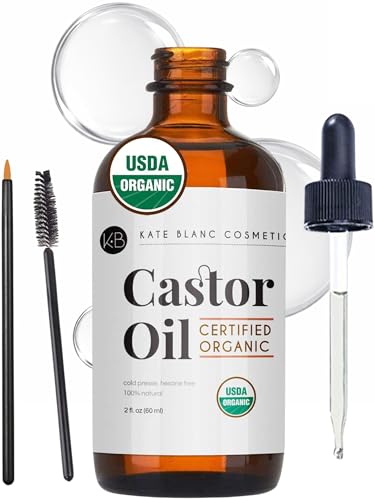
Kate Blanc has built a loyal following among beauty enthusiasts, and it's easy to see why once you try this oil. It's USDA certified organic and cold-pressed, which means none of the heat or chemical processing that strips active compounds from inferior products. The 2oz bottle comes with a precision dropper, making targeted lash and brow application genuinely easy rather than a messy guessing game. The oil itself has the characteristic thick, golden consistency of quality castor oil — not watery, not gummy, just right.
For daily lash and brow use, this is one of the most approachable options on the market. You apply a small amount along the lash line before bed, and within a few weeks of consistent use, most users notice noticeably fuller-looking lashes and brows. It doubles as a hair oil for dry, brittle ends — work a few drops into split ends or use it as a scalp treatment mixed with a lighter carrier oil. The hexane-free certification matters here: hexane is a petroleum solvent used in some extraction processes, and you don't want it near your eyes.
The 2oz size is compact enough to be travel-friendly but runs out faster than the larger bottles if you're using it for both hair and face. At its price point, though, replenishing it doesn't sting. This is the go-to pick if your primary goal is thicker lashes and more defined brows, with hair care as a secondary benefit.
Pros:
Cons:
Jamaican black castor oil is a different beast from standard castor oil, and Difeel's 7.1oz bottle is one of the most accessible entry points to understanding why. Jamaican black castor oil is made by roasting the castor beans before pressing, which produces the characteristic dark color and smoky scent — and raises the ash content. That higher ash content creates a more alkaline environment on the scalp that many users find ideal for stimulating growth and loosening product buildup. Difeel leans into this tradition with a clean, straightforward formula.
The 7.1oz size gives you plenty of product for regular scalp massages, which is exactly how this oil performs best. Warm a small amount between your palms, section your hair, and work it directly into the scalp with your fingertips. It functions as an excellent leave-in conditioner too — especially for natural hair that tends to run dry between wash days. Users with type 3 and type 4 curl patterns consistently report smoother, more manageable hair with reduced breakage after three to four weeks of regular use.
The scent is earthy and distinctive — if you've never used Jamaican black castor oil before, it takes a day or two to adjust. But that's true of every genuine JBCO product, and it's actually a sign of authenticity. Heavily scented or odorless products claiming to be Jamaican black castor oil are often diluted or formulated, not traditionally processed. Difeel keeps it honest.
Pros:
Cons:
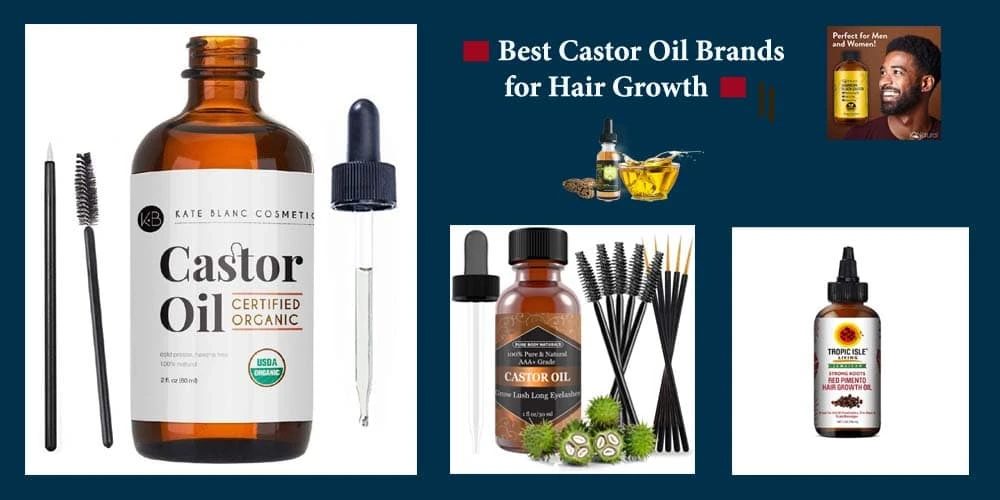
Tropic Isle Living is widely considered the gold standard of Jamaican black castor oil brands, and the 4oz PET bottle is where most new users start. What sets Tropic Isle apart is the sourcing rigor — the oil is made using traditional Jamaican processing methods with beans grown and roasted in Jamaica, not just labeled "Jamaican." The resulting oil is rich in Vitamin E, omega fatty acids, and naturally occurring minerals that feed the scalp and strengthen the hair shaft from root to tip.
The versatility here is genuinely impressive. Use it on your scalp for growth and nourishment, apply it to split ends for repair, massage it into skin to improve texture, or work it through your eyebrows and lashes for enhanced definition and thickness. The ricinoleic acid content supports deep hydration at every application point. For skin, it's particularly effective on rough patches, dry elbows, and anywhere you want to improve barrier function. It even works on nails — brittle nails strengthen noticeably with consistent overnight application.
If you're the type of person who prefers to buy one product that does everything well rather than five specialized products, Tropic Isle Living is your answer. The 4oz size is more practical than the smaller competition and lasts a reasonable amount of time even with daily use. The PET bottle is sturdy and travel-friendly. This is the castor oil you gift to someone who's just starting their natural hair journey in 2026.
Pros:
Cons:
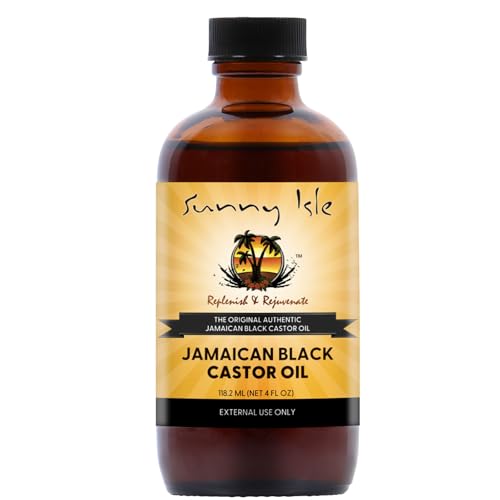
Sunny Isle sits right alongside Tropic Isle Living in the JBCO prestige tier, and a lot of loyalists in both camps will argue their preferred brand for hours. Here's the practical difference: Sunny Isle's original formula has a medium consistency and notably high ash content, which makes it particularly effective for scalp-focused treatments. The ash raises the pH at the follicle level, which is thought to improve nutrient absorption and stimulate dormant follicles. If you're dealing with thinning edges or a patchy scalp, this is the formula to try.
Sunny Isle is also one of the cleanest formulas on this list — 100% natural, hexane-free, and completely free of synthetic additives. What you get in the bottle is exactly what the label says. The oil is dark, thick, and authentic. Apply it with a scalp applicator bottle for targeted delivery, or warm it between your hands and massage it in section by section. For people dealing with a dry, irritated scalp, regular Sunny Isle application consistently reduces discomfort and flaking within two to three weeks.
It's worth noting that Sunny Isle also produces excellent products for skin care. The same formula that nourishes your scalp promotes clear, youthful-looking skin on your face and body. The 4oz size is a good introduction, but most regular users graduate to the larger sizes once they're sold on the results.
Pros:
Cons:
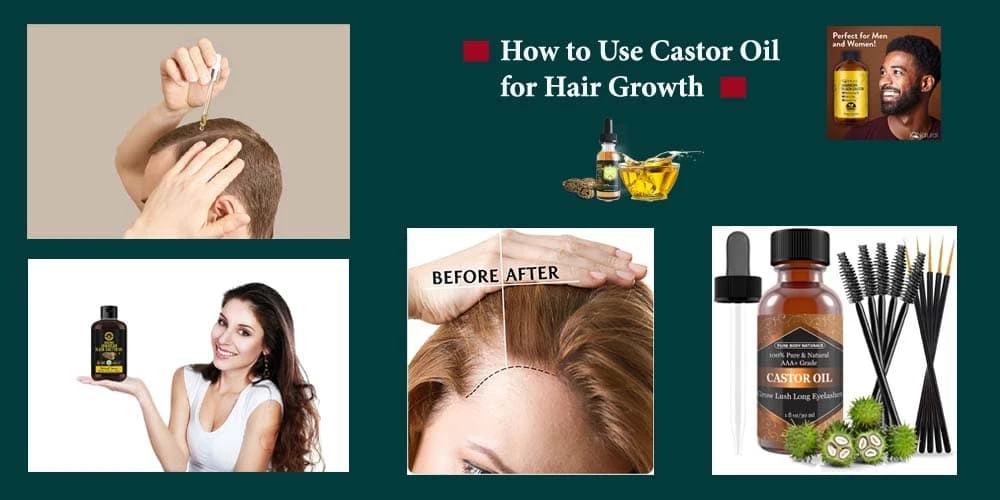
Cliganic made a smart product decision: instead of just competing on oil quality alone, they bundled a full eyelash application kit with their 8oz bottle. You get the organic castor oil plus a mascara wand, a liner brush, and two empty vials for filling and refilling. This kit format is ideal if lash and brow growth is your primary goal because you're not improvising applicators or wasting product on a Q-tip. It's a complete system right out of the box.
The oil itself is USDA certified organic, cold-pressed, and single-ingredient — no blends, no additives, no fillers. Cliganic is serious about their organic certification, and they clearly communicate that integrity on their packaging and third-party certificates. The 8oz size is generous for the price and means you'll have plenty of oil for both your beauty routine and hair treatments. The pale yellow color and mild, neutral scent make it the easiest castor oil to incorporate into a daily routine without any sensory adjustment period.
Cold-pressed extraction preserves the maximum concentration of ricinoleic acid and Vitamin E, so you're getting the full nutritional profile of the castor bean in every drop. For people just beginning to explore carrier oils — and if you've been browsing natural essential oil suppliers for quality beauty products — Cliganic is a logical starting point. Pure, certified, and fully equipped for day one.
Pros:
Cons:
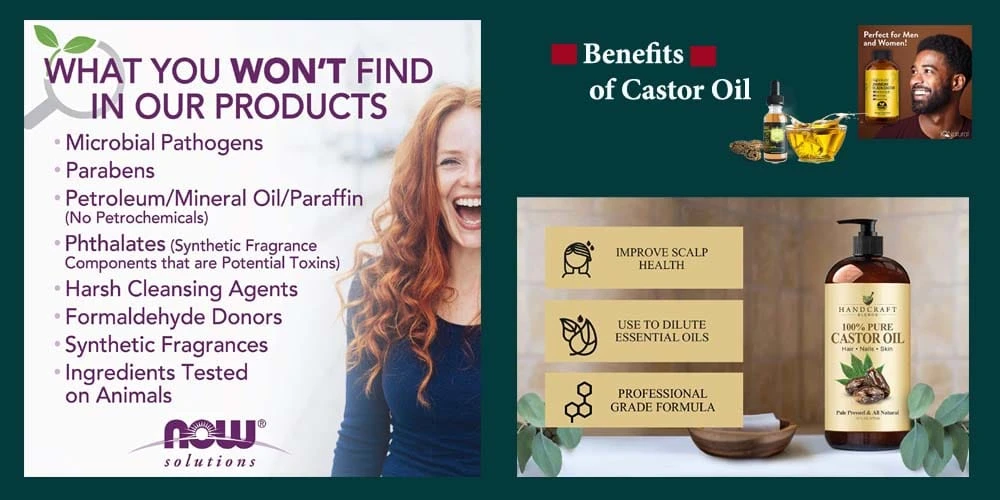
If you're committed to using castor oil regularly — not just dabbing it on lashes but doing full scalp treatments and hair masks — you need a large bottle. Viva Doria delivers with a 16oz glass bottle and a dropper top that makes application controlled and precise. The glass packaging is a meaningful quality signal: glass doesn't leach chemicals into the oil over time the way plastic can, which matters for a product you're applying to your scalp and face every day.
The oil is virgin, cold-pressed, hexane-free, and vegan — sourced from India where high-quality Ricinus communis cultivation has a long agricultural history. The formula retains naturally occurring ricinoleic acid, essential fatty acids, and Vitamin E in their full, unrefined form. Unrefined castor oil like this has a stronger nutrient density than refined versions, making it more effective for deep scalp conditioning and hair follicle nourishment. Use it straight for intense treatments, or blend it with lighter oils like jojoba or sweet almond to create a customized daily formula — similar to how enthusiasts build out their routines with premium sweet almond oil blends.
At 16oz, this bottle will last most users several months. The cost-per-ounce is excellent, and the glass bottle with dropper top means you get consistent control from the first drop to the last. For anyone who has found their preferred application routine and wants to buy in bulk without sacrificing quality, Viva Doria is the move.
Pros:
Cons:
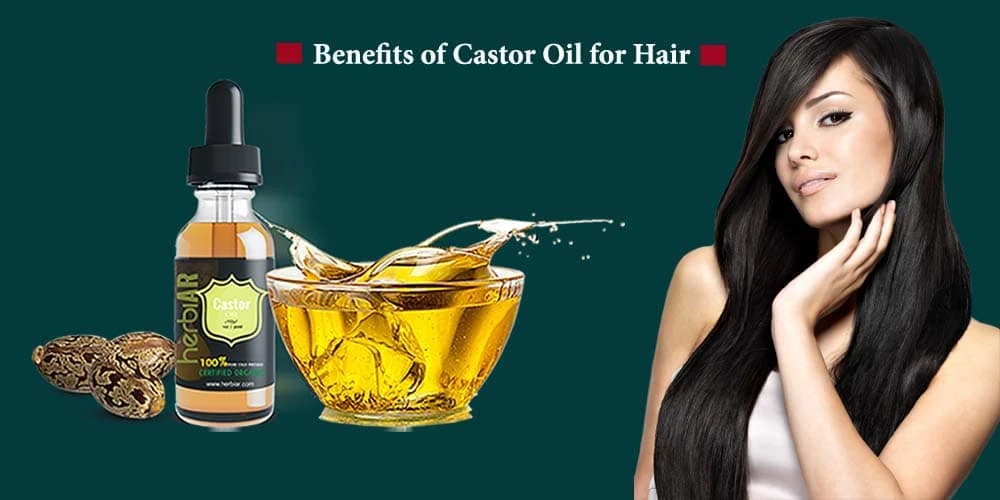
Every castor oil user has experienced the mess of tipping a heavy bottle at the wrong angle and overpouring onto their palm or scalp. Pure Body Naturals solves that problem cleanly with a 16oz bottle fitted with a pump dispenser. One pump delivers a controlled, consistent amount of oil — no drips, no waste, no accidental over-application. This sounds like a small thing until you've ruined a shirt or left a grease stain on your bathroom counter one too many times.
The formula is certified organic, cold-pressed, and hexane-free — everything you expect from a top-tier castor oil. The oil is naturally rich in Vitamin E, Omega-6, and Omega-9 fatty acids, making it effective for both hair growth and skin conditioning. Apply it to thinning areas to nourish follicles directly, use it as a pre-shampoo scalp treatment, or pump a small amount into your palms to smooth your brows and lashes before bed. The pump format makes it particularly well-suited for body application — smoothing it over dry skin, rough knees, or cuticles is effortless.
At 16oz, this is a bulk-size product that keeps up with heavy daily use. If you have a family where multiple people are using castor oil, or if you're committed to using it on both your hair and your skin as part of a complete routine, the pump bottle eliminates friction and makes consistency easier to maintain. That consistency is what actually produces results — and anything that makes it easier to stay the course is worth having.
Pros:
Cons:

Knowing which bottle to reach for comes down to understanding a few key variables. The castor oil market in 2026 is crowded with products that look identical on paper but deliver very different results. Here's what actually separates the good from the mediocre.
Cold-pressed castor oil is extracted using mechanical pressure without heat or solvents. This preserves the full spectrum of ricinoleic acid, Vitamin E, and fatty acids in their natural state. Refined castor oil uses heat and chemical solvents during extraction, which strips away some of those active compounds and produces a clearer, more neutral product — but a less nutritionally potent one. For hair growth and scalp health, cold-pressed is always the superior choice. Look for "cold-pressed" explicitly on the label, not just "pure" or "natural."
Jamaican black castor oil is a distinct category. The beans are roasted before pressing, creating a darker color and higher ash content. That ash raises the oil's pH, which many practitioners believe boosts scalp stimulation and opens the cuticle for deeper penetration. It's a different tool than standard cold-pressed castor oil — not necessarily better overall, but better for specific scalp-focused goals. According to Wikipedia's overview of castor oil, ricinoleic acid comprises approximately 85–95% of the fatty acid content in castor oil — an unusually high concentration that accounts for its unique viscosity and biological activity.
The organic certification landscape is confusing, but one label cuts through the noise: USDA Certified Organic. This certification requires third-party verification and adherence to specific growing and processing standards. It's not just a marketing claim — it's a regulated designation. Products with USDA Organic certification have been verified free of synthetic pesticides, herbicides, and prohibited processing aids.
If a product claims "organic" without the USDA seal, that claim isn't independently verified. Treat it with skepticism, especially for products used near your eyes.
Castor oil is thick. That's actually its strength — the high viscosity means it coats the hair shaft effectively and creates a moisture-sealing barrier. But the same thickness can be a problem for fine or low-porosity hair types. If you have fine hair, always dilute castor oil with a lighter carrier oil such as argan, jojoba, or sweet almond oil at a 1:3 ratio before applying. This prevents weighing down the hair while still delivering the nutritional benefits.
For coarse, thick, or high-porosity hair types — common in type 3c through 4c curl patterns — full-strength castor oil is appropriate and often necessary to penetrate effectively. Jamaican black castor oil, with its slightly thinner consistency than some refined versions, is particularly compatible with natural textured hair. You'll also want to check out our full collection of natural product reviews for complementary plant-based treatments that pair well with castor oil in a holistic hair care routine.
This is an underrated factor. A great oil in the wrong packaging is a hassle every time you use it. Dropper tops give you precision for facial and lash application. Pump dispensers are ideal for body and scalp use. Applicator bottles with needle tips deliver oil directly to the scalp in sectioned hair without mess. Glass packaging is superior to plastic for long-term storage because it doesn't leach chemicals and won't absorb the oil's compounds over months of use. Consider how you plan to use the oil most, and prioritize packaging that matches that use case.
Most users see meaningful results after four to six weeks of consistent daily or nightly application. Castor oil doesn't grow hair overnight — it works by nourishing the scalp, strengthening existing follicles, and improving circulation at the root level. Consistency matters more than quantity. A small amount applied every night before bed outperforms a heavy application done twice a week. Give it a full eight weeks before drawing conclusions, and document your progress with photos every two weeks.
Regular castor oil is cold-pressed from raw castor beans and has a pale yellow color and mild scent. Jamaican black castor oil is made by roasting the beans before pressing, which produces a dark brown color, a distinctive smoky scent, and a higher ash content. The ash raises the oil's pH, which many users find more effective for scalp stimulation and loosening buildup. Regular castor oil is better for lash, brow, and facial use due to its lighter consistency. JBCO is better for scalp-focused growth treatments and thick, coarse hair.
Yes — in fact, direct scalp application is one of the most effective uses. Section your hair and apply the oil directly to the scalp using your fingertips, a dropper, or an applicator bottle with a needle tip. Follow with a five-minute massage to increase circulation. You can leave it on overnight as a treatment and shampoo it out in the morning, or apply it one to two hours before washing. For fine hair, dilute with a lighter carrier oil before applying directly to the scalp.
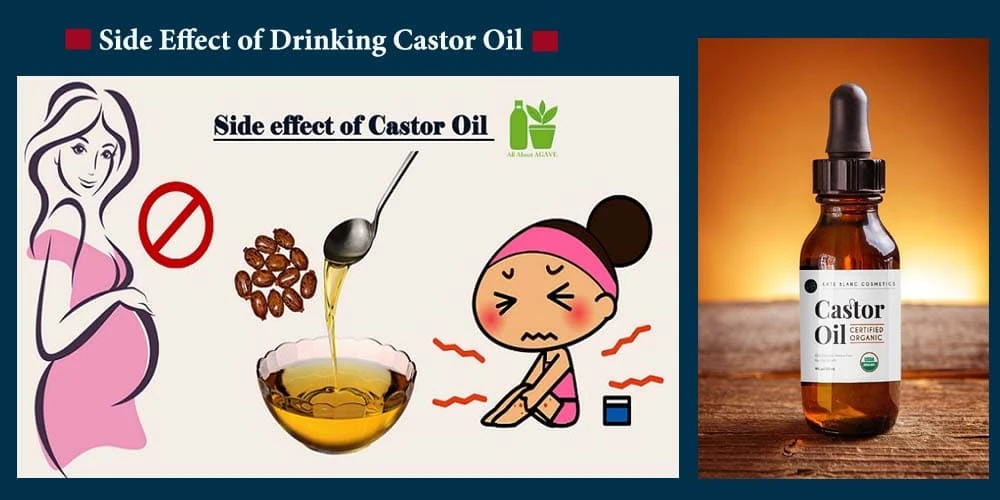
Cold-pressed, hexane-free, organic castor oil is safe for facial use and around the eye area when used correctly. Apply a small amount along the lash line and brows using a clean mascara wand or liner brush — avoid getting the oil directly in your eyes, as it can temporarily blur vision. Do a patch test on your inner forearm before first facial use. People with castor plant allergies should avoid castor oil entirely. Always opt for certified organic, hexane-free products for any use near the eyes.
For hair growth, apply castor oil to your scalp two to three times per week for intensive treatment, or nightly if your hair and scalp tolerate it well. For lash and brow use, a light nightly application with a mascara wand is standard practice. For body and skin use, you can apply it as needed. The key is regularity — sporadic use won't deliver noticeable results. Build it into an existing routine (before bed is most practical for most people) to make consistency easy to maintain.
Absolutely — and for many hair types, blending is the recommended approach. Castor oil's thick viscosity pairs well with lighter carrier oils. A popular formula is one part castor oil to three parts jojoba or argan oil, which delivers the growth-promoting benefits of castor oil with a consistency that spreads easily. You can also add a few drops of essential oils like peppermint or rosemary for additional scalp stimulation. Castor oil also blends cleanly into DIY hair masks with ingredients like honey or aloe vera gel.

You now have everything you need to pick the right castor oil for your hair in 2026 — whether that's a USDA certified organic option for daily lash care, an authentic Jamaican black formula for a dry, struggling scalp, or a 16oz bulk bottle that keeps up with a full head-to-toe beauty routine. Pick your top choice, commit to a consistent schedule for at least six weeks, and let the ricinoleic acid do the work it's been doing for centuries.
 |
 |
 |
 |

About Christina Lopez
Christina Lopez grew up in the scenic city of Mountain View, California. For eighteen ascetic years, she refrained from eating meat until she discovered the exquisite delicacy of chicken thighs. Christina is a city finalist competitive pingpong player, an ocean diver, and an ex-pat in England and Japan. Currently, she is a computer science doctoral student. Christina writes late at night; most of her daytime is spent enchanting her magical herb garden.


Get new FREE Gifts. Or latest free growing e-books from our latest works.
Disable Ad block to reveal all the links. Once done, hit a button below
|
|
|
|
 rinjal