You're standing in a pharmacy aisle or scrolling through Amazon at midnight, trying to figure out which aloe vera gel is actually worth buying — and the options seem endless. Some bottles promise organic purity, others boast high aloe percentages, and a few cost twice as much for what looks like the same product. Finding the right gel doesn't have to be that confusing, and this guide cuts through the noise for you.
Aloe vera gel is one of the most versatile skincare products you can keep in your bathroom in 2026. Whether you're dealing with a painful sunburn after a long weekend outside, dry skin that no lotion seems to fix, or a scalp that itches constantly, a high-quality aloe gel addresses all of these issues without a long ingredient list. It's been used for centuries as a natural remedy, and modern formulations have only made it more effective and convenient. If you want to understand the full story behind the plant itself, the complete guide to aloe vera benefits, uses, and plant information is worth reading before you buy.
The products below were selected based on aloe concentration, ingredient transparency, absorption quality, and value. You'll find options for every budget and every use case, from organic farm-to-bottle gels to drugstore staples that have proven themselves over decades. You can also browse the full gardening reviews section for more plant-based product guides. Let's get into it.

Contents
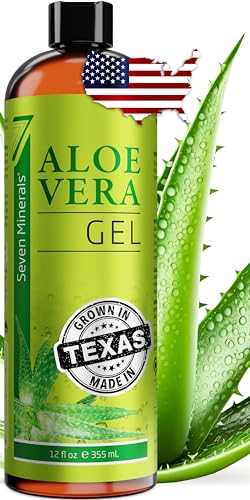




If you want the cleanest, most potent aloe vera gel available without spending a fortune, Seven Minerals is the one to reach for first. This gel is grown in Southern Texas, harvested from real freshly cut aloe leaves rather than reconstituted from powder, and that difference shows up directly on your skin. The use of agar as a natural thickener instead of xanthan gum or carbomer means the gel absorbs quickly and leaves no sticky residue behind — something many competing products fail to deliver. It carries both NSF Organic and IASC (International Aloe Science Council) certifications, which are the two most credible third-party stamps of quality in the aloe industry.
The 12-ounce bottle gives you enough product to use generously on your face, body, scalp, and hair without rationing it. Because it's made from fresh-cut leaves rather than powder, the concentration of active compounds (acemannan, amino acids, enzymes) is significantly higher than budget alternatives. Seven Minerals recommends testing on a less sensitive area first, since the purity level means it's stronger than what your skin may be used to. For sunburn relief specifically, this gel delivers that immediate cooling sensation and lasting hydration that keeps skin from peeling badly.
For anyone who has been bouncing between mediocre drugstore gels and overpriced boutique options, this is the product that ends the search. It works equally well as a daily face moisturizer, a post-shave treatment, and a hair frizz smoother without switching products.
Pros:
Cons:
Aloderma's defining claim is that their aloe is processed and bottled within 12 hours of harvest on their own farm, which is a genuinely rare thing in the skincare market where most brands rely on imported powder or third-party suppliers. The brand has over 20 years of experience working specifically with aloe vera, certified by both USDA and the European Union via ECOCERT. That dual certification matters because it means the same product is verified to meet two of the world's most rigorous organic standards simultaneously, giving you confidence in what you're actually applying to your skin.
The 7.05-ounce bottle contains 96% pure organic aloe combined with hydrating supporting ingredients that make it function as a complete lightweight moisturizer rather than just a plain soothing agent. It absorbs fast, works on all skin types, and provides genuine hydration that restores your skin's natural balance rather than just sitting on the surface. If you have combination or oily skin and struggle to find moisturizers that don't feel heavy, this gel hits that balance particularly well because the formula is lightweight but genuinely nourishing.
The 12-hours-from-harvest process preserves a much higher concentration of naturally occurring vitamins, enzymes, and polysaccharides (long-chain sugars that hold moisture in the skin) compared to gels made from dried powder that was reconstituted later. It works well as a standalone face gel, a base layer under heavier creams, or a calming treatment for irritated or inflamed skin.
Pros:
Cons:

This USDA Certified Organic aloe vera gel comes in a generous 12-ounce bottle and covers an impressive range of uses — moisturizer, after-sun treatment, after-shave balm, hair gel, leave-in conditioner, and even a pet-safe skin soother. The thin consistency is intentional and one of its biggest advantages: it absorbs almost instantly without leaving any sticky residue or greasy film, which makes it practical for quick daily use without needing extra time to rub it in completely. If you find thicker gels uncomfortable or difficult to spread evenly, this lighter texture solves that problem while still delivering meaningful hydration.
One thing worth knowing is that the color of this gel ranges from completely clear to an amber shade due to natural variation in the aloe crop, and the brand is upfront about this on the label. This is completely normal and doesn't affect potency or shelf life — in fact, some users consider the slight amber tint a reassuring sign of minimal processing. The formula itself is straightforward and clean, with no added fragrances or artificial colorants, making it a reliable choice for people with sensitive skin who react to scented products.
For the price and the USDA certification backing it, this is the gel you recommend to someone who wants organic quality without paying a premium. It performs reliably across all its listed uses and the 12-ounce size gives you plenty of product to use liberally.
Pros:
Cons:

Lily of the Desert is one of the most recognized names in aloe vera products, and their Gelly Moisturizer earns that reputation with a 99% aloe formula enhanced by vitamin A, vitamin E oil, and vitamin C. These three antioxidants (molecules that protect cells from oxidative damage) work together to not only soothe burned or irritated skin but actively support the repair process at a cellular level. The result is a gel that doesn't just cool sunburn on contact — it helps your skin recover faster and more completely than a plain aloe formula without the added vitamins.
The 16-ounce bottle is one of the larger sizes on this list, which makes it practical for families or for anyone who uses aloe regularly during summer months. The proprietary Aloesorb ingredient (a concentrated form of acemannan, the active polysaccharide in aloe) boosts the effectiveness of the antioxidants already present in the natural gel. It cools on contact, which is immediately satisfying on hot or irritated skin, and the soothing effect lasts several hours without requiring frequent reapplication.
Beyond sunburn, this gel works well on wind-burned skin, dry skin after long flights in low-humidity airplane cabins, razor burn, and minor rashes. The brand positions it as a travel essential, and that's accurate — this size is worth keeping in your bag during any outdoor or travel-heavy season. If you want a deeper understanding of how aloe interacts with skin biology, the Wikipedia overview of aloe vera covers the research well.
Pros:
Cons:
Nature Republic's aloe gel has become a bestseller in the K-beauty (Korean beauty) world, and it's easy to understand why once you see the price-to-performance ratio. The formula contains 92% aloe vera extract derived from organic aloe, and the gel consistency sits between a thin serum and a classic aloe jelly — it spreads easily without being watery, moisturizes without feeling heavy, and leaves no sticky residue once absorbed. At 10.56 fluid ounces, the tub format makes scooping out the right amount effortless for both face and body applications.
What makes this gel stand out for everyday use is its versatility across skin types and conditions. You can apply it to your face as a lightweight moisturizer, smooth it through damp hair to tame frizz, or use it on your arms and legs after a shower to lock in hydration. It's particularly popular as a post-shave soother because the mild, non-irritating formula calms razor burn without clogging pores. The non-sticky finish means you can get dressed immediately after applying it, which is a practical advantage over thicker gels.
If you're comparing aloe gels alongside aloe-based creams for your face, the 10 best aloe vera creams for face review covers heavier moisturizing options that pair well with a lightweight gel like this one. For most people building a simple skincare routine in 2026, this Nature Republic gel handles the toning and hydration step efficiently without complicating things.
Pros:
Cons:
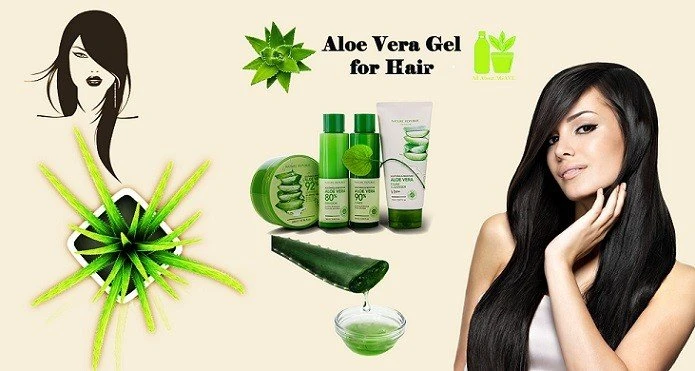
Fruit of the Earth has been a pharmacy shelf staple for decades, and it earns its place on this list because it delivers consistent, reliable performance at a price that makes you comfortable using it generously. Made from fresh aloe vera leaves with no added fragrance or artificial color, this 12-ounce gel forms a protective barrier on the skin that helps retain moisture while supporting the natural healing process. That barrier function (the gel's ability to seal moisture in while keeping irritants out) is particularly valuable on sunburned or wind-chapped skin that needs time and protection to recover properly.
The cooling and soothing effect on contact is immediate, and the gel consistency is thicker and more traditional than some of the premium options above — which is either a pro or a con depending on your preference. If you grew up reaching for this brand after every beach trip, the texture will feel exactly right. For families with kids who are prone to sunburns, bug bites, or minor rashes, this is the practical bulk-buy option that you keep in the medicine cabinet year-round without worrying about the cost.
It's worth noting that this gel isn't marketed as organic or certified by IASC, which puts it behind the premium picks on ingredient purity. But for external use on healthy skin, it performs the core job of an aloe gel — soothing, cooling, moisturizing — without any unnecessary complications. This is the bottle you buy when you want reliable results at the lowest possible cost per application.
Pros:
Cons:
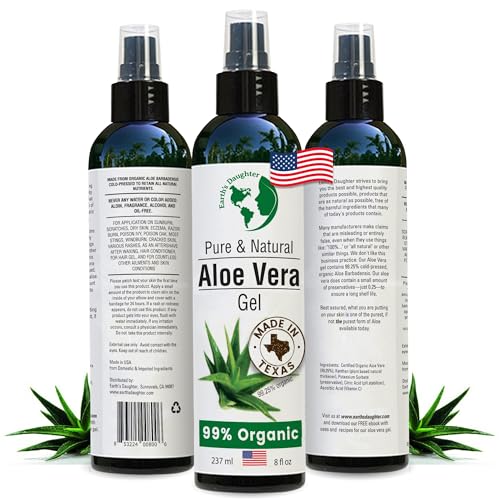
Earth's Daughter produces their gel through cold pressing (a method that extracts aloe juice without applying heat, which preserves more of the heat-sensitive vitamins and enzymes) from organically farmed aloe grown in Texas. The 8-ounce bottle is unscented and vegan, loaded with amino acids, minerals, and nutrients that make it effective beyond basic surface moisturizing. Where this gel really earns its spot is in scalp and hair care — the nutrient profile directly addresses scalp itch, dandruff, and dry hair cuticles in a way that plain, minimal-ingredient gels can't match as effectively.
The formula absorbs rapidly into both skin and hair without any oily or sticky residue, which makes it practical for morning use when you don't want to feel coated in product throughout the day. Beyond scalp health, it performs well on bug bites, acne spots, razor burn, minor rashes, and the general skin irritations that come with outdoor activity. Because it's unscented and formulated without harsh additives, it's appropriate for children and even pets — making it genuinely useful as a single household product that covers multiple first-aid and grooming needs without cluttering your shelves.
If you're interested in how different plant-based oils and gels interact with skin and hair chemistry, the guide to beauty oils: source, uses, and benefits is a useful companion read that explains why certain natural ingredients work better on certain skin types. Earth's Daughter sits firmly in the premium-but-accessible range, and the cold-pressed process gives you measurably more active nutrients per ounce than heat-processed competitors.
Pros:
Cons:
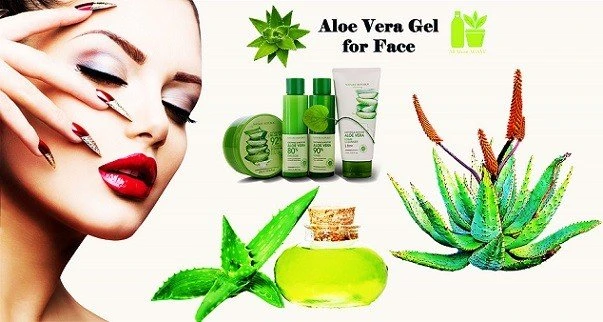
The percentage of aloe vera in the formula is the single most important number on the label, but the source matters just as much as the number. A gel made from fresh-cut aloe leaves will outperform one made from reconstituted powder even at the same percentage, because the heat and processing involved in making powder destroys many of the heat-sensitive enzymes and vitamins that give aloe its therapeutic value. Look for products that specify "fresh-cut leaves" or "cold-pressed" and carry IASC certification (International Aloe Science Council) as verification that the aloe content is what the label claims. Organic certification from USDA or ECOCERT adds another layer of assurance that the plants were grown without pesticides.
When comparing products in 2026, you'll see aloe concentrations ranging from 92% to 99%. Anything above 90% is generally effective for skincare purposes, but pay attention to what fills the remaining percentage — beneficial additions like vitamin E, vitamin C, and hyaluronic acid (a molecule that holds water in the skin) improve the formula, while carbomer, artificial dyes, or synthetic fragrances reduce the overall quality of what you're putting on your skin.
Aloe vera gels come in several consistency levels, and the right one depends entirely on how you plan to use it. Thin, watery gels absorb almost instantly and work best as a daily face moisturizer or a quick post-shave treatment when you need to get dressed without waiting. Medium-consistency gels balance spreadability with staying power and are the most versatile option for both face and body use. Thick gels and "jellies" stay on the skin longer, delivering more sustained cooling and moisture, which makes them the better choice specifically for sunburn relief where you want the product to stay in contact with irritated skin.
The thickening agent used in the formula also affects texture and how your skin responds. Agar (a seaweed-derived thickener) absorbs cleanly without residue, while carbomer and xanthan gum can leave a film that some people find uncomfortable. If residue is a concern for you, look for agar-thickened formulas or thin-consistency options.
The aloe vera market has a well-documented problem with mislabeling, where products advertise high aloe content but contain mostly water with a small amount of aloe powder. Third-party certifications are the most reliable way to verify that what's on the label is actually in the bottle. IASC certification requires independent testing of aloe content. USDA Organic certification verifies that the aloe was grown without synthetic pesticides or fertilizers. NSF Organic goes a step further by also certifying the manufacturing process and finished product.
A product carrying both IASC and USDA Organic certifications is verified at both the ingredient and production levels, which is the gold standard for aloe vera products. If a gel carries neither certification, treat the label claims with skepticism and read the full ingredient list carefully — pure aloe vera should appear within the first two ingredients.
Think about your primary reason for buying aloe gel before choosing a formula. If sunburn relief is your main goal, prioritize gels with vitamin antioxidants (vitamins A, C, and E) in a thick consistency that stays on hot skin. If you want a daily facial moisturizer, choose a lightweight gel with a clean ingredient list that won't clog pores. For scalp and hair use, look for formulas rich in amino acids and minerals that address the root causes of itching and dryness rather than just coating the surface. For a general household first-aid gel that covers bug bites, minor burns, rashes, and dry skin across the whole family, an unscented, fragrance-free formula in a larger bottle delivers the most value per dollar.
Fresh-cut leaf processing preserves the heat-sensitive enzymes, vitamins, and acemannan polysaccharides that give aloe vera its healing and moisturizing properties. Powder is made by drying aloe juice at high temperatures and then reconstituting it with water — a process that degrades many of the active compounds significantly. For therapeutic use on skin, fresh-leaf gels deliver measurably better results, though powder-based gels are generally less expensive and have a longer shelf life.
Yes, high-quality aloe vera gel is safe for daily facial use for most skin types. It's lightweight, non-comedogenic (meaning it doesn't block pores), and hydrating without being greasy. People with very sensitive skin should patch test first by applying a small amount to the inner wrist and waiting 24 hours before full facial use. If you're using a highly concentrated or certified pure product for the first time, starting with a less sensitive area is always the right call.
Apply a generous layer of aloe vera gel to the burned area as soon as possible after sun exposure, while the skin is still slightly damp. Gels with a thick or gelly consistency stay in contact with the skin longer and provide better sustained cooling than watery formulas. Refrigerating your aloe gel before applying it amplifies the immediate cooling effect significantly. Reapply every few hours as needed, keeping the skin hydrated to reduce peeling and speed up recovery.
Aloe vera gel is highly effective for hair care because its enzyme and amino acid content directly addresses the scalp conditions that lead to itching, dandruff, and excess oil production. Applied to damp hair, a small amount of gel smooths the cuticle (the outer protective layer of each strand) to reduce frizz and add shine without weighing the hair down. It also works as a leave-in conditioner for dry or damaged ends. Gels formulated specifically with higher mineral content, like Earth's Daughter, perform better for scalp treatment than plain drugstore gels.
Aloe vera (listed as "aloe barbadensis leaf juice" or "aloe barbadensis leaf gel") should appear as the first or second ingredient. If water appears first and aloe is far down the list, the concentration is likely low regardless of what the front label claims. Look for natural thickeners like agar rather than carbomer. Avoid unnecessary synthetic fragrances, artificial dyes, and parabens. Certifications from IASC, USDA Organic, NSF Organic, or ECOCERT are reliable third-party verifications that the formula meets stated quality standards.
Store aloe vera gel in a cool, dry location away from direct sunlight, which degrades the active compounds over time. Most bottled gels have a shelf life of 2 to 3 years when unopened and 6 to 12 months once opened. Refrigerating the gel after opening extends its life and adds a pleasant cooling effect when you apply it. Pure, minimal-ingredient gels without strong preservative systems will expire faster than formulas with added stabilizers, so use them more promptly once opened.
The best aloe vera gel is the one with the fewest ingredients between you and the plant — buy certified, buy fresh-leaf, and buy the largest bottle you'll actually use.
 |
 |
 |
 |

About Truman Perkins
Truman Perkins is a Detroit-based SEO consultant who's been in the business for over a decade. He got his start helping friends and clients get their websites off the ground, and he continues to do so today. In his free time, Truman enjoys learning and writing about gardening - something he believes is a natural stress reliever. He lives with his wife, Jenny, and their twins in Detroit.


Get new FREE Gifts. Or latest free growing e-books from our latest works.
Disable Ad block to reveal all the links. Once done, hit a button below
|
|
|
|
 rinjal