Last spring, I found a stone lotus tucked behind a bag of potting mix at a nursery clearance sale — half-dried, pale, and barely clinging to life. Three months later, that same rosette sat plump and flushed pink on my windowsill, drawing compliments from everyone who walked past. If you're wondering how to care for a stone lotus plant, the good news is these succulents are remarkably forgiving once you understand a few ground rules. Stone lotus (Sinocrassula and closely related Echeveria species) belong to the plants, herbs, and farming category that rewards patience over fussing.
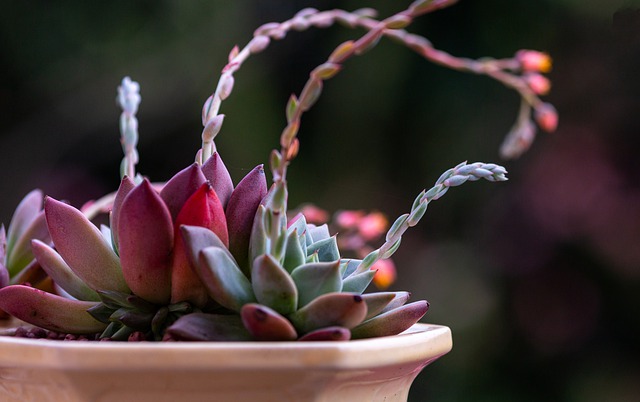
Stone lotus plants are native to rocky, arid regions of East Asia, where they cling to cliff faces and gravel slopes with minimal moisture. That heritage tells you almost everything you need to know about their care preferences: bright light, lean soil, and infrequent watering. They store water in their thick, fleshy leaves — a survival strategy shared by many desert-adapted plants — which means overwatering is far more dangerous than underwatering.
Whether you're growing your stone lotus indoors on a sunny shelf or outdoors in a rock garden, this guide covers every angle: watering schedules, soil mixes, light requirements, seasonal adjustments, common pitfalls, and the myths that lead well-meaning growers astray. Let's get into it.
Contents
Watering is where most stone lotus care goes wrong. You might think a succulent barely needs water at all, but these plants do need consistent hydration — just on their own terms. Understanding how to care for stone lotus plant watering cycles separates thriving rosettes from rotting ones.
The gold standard for stone lotus watering is the soak-and-dry technique:
During active growth (spring and summer), this typically means watering every 7–10 days. In winter dormancy, you might go 3–4 weeks between waterings. Climate, pot size, and soil composition all shift the timing, so always test the soil rather than following a rigid calendar.
Both overwatering and underwatering produce distress signals, but they look quite different:
Underwatering is easy to fix — just give the plant a good soak. Overwatering often leads to root rot, which requires repotting into fresh dry soil and trimming any blackened roots. When in doubt, err on the side of less water. A slightly thirsty stone lotus recovers in days. A waterlogged one may not recover at all.
If the lower leaves feel soft and translucent rather than firm and plump, stop watering immediately and let the soil dry out completely for at least two weeks before reassessing.
Even experienced growers make errors with stone lotus care. Here are the most frequent ones and how to sidestep them.
Standard potting soil retains far too much moisture for stone lotus. You need a fast-draining mix that mimics their natural rocky habitat.
The soil should feel loose and gritty when you squeeze it. If it clumps like clay, it's too dense. Understanding how much fertilizer to use per plant also matters here — lean soil means nutrients wash out faster, so a light feeding schedule compensates without creating salt buildup.
Stone lotus plants are light-hungry. Without enough exposure, they etiolate — stretching tall and leggy as they reach for the nearest light source. The rosette loosens, colors fade to pale green, and the plant becomes structurally weak.

An etiolated stone lotus won't return to its compact shape on its own. You can behead the rosette and re-root it in proper light, but prevention is far easier than correction.
The term "stone lotus" covers several related succulent species. Knowing which type you have helps you fine-tune your care approach, since light tolerance, cold hardiness, and growth speed vary across varieties.
| Variety | Rosette Size | Cold Hardiness | Light Preference | Growth Rate | Notable Trait |
|---|---|---|---|---|---|
| Sinocrassula yunnanensis | 2–3 in | Down to 25°F (−4°C) | Full sun to partial shade | Slow | Dark, near-black leaves |
| Sinocrassula indica | 3–4 in | Down to 30°F (−1°C) | Full sun | Moderate | Offsets prolifically |
| Echeveria 'Lola' | 4–6 in | Down to 30°F (−1°C) | Bright indirect | Moderate | Lavender-pink blush |
| Echeveria elegans | 4–5 in | Down to 20°F (−7°C) | Full sun | Slow to moderate | Blue-green, very symmetrical |
| Graptopetalum paraguayense | 4–6 in | Down to 15°F (−9°C) | Full sun | Fast | Ghost-plant coloring, very hardy |
| Echeveria agavoides | 5–8 in | Down to 25°F (−4°C) | Full sun | Slow | Red leaf tips, angular form |
Your growing conditions should drive your choice:
Regardless of variety, the fundamentals of how to care for stone lotus plant remain consistent: well-draining soil, bright light, and conservative watering.
You don't need an elaborate setup to keep your stone lotus healthy. A few simple adjustments deliver outsized results.
Stone lotus propagates easily through leaf cuttings and offsets. Here's the fastest route:
Spring and early summer give you the best success rates since the plant's growth hormones are most active then. Avoid propagating in winter dormancy — success drops significantly.
How to care for stone lotus plant shifts with the seasons. These plants follow a clear growth-dormancy cycle, and adjusting your routine accordingly prevents most problems before they start.
This is when your stone lotus puts on the most growth and shows its best coloring. Take advantage of the season:
According to the Crassulaceae family entry on Wikipedia, members of this plant family use CAM (Crassulacean Acid Metabolism) photosynthesis — opening their stomata at night to conserve water. This is why good air circulation around your stone lotus matters even more than you might expect.
As temperatures drop and daylight shortens, your stone lotus slows down. Your care should slow down with it.
Some growers in mild climates (USDA zones 9–11) keep stone lotus outdoors year-round with minimal seasonal adjustments. If you're in a colder zone, treat them as indoor plants from first frost through last frost.
Misinformation about succulents is rampant online. Here are the most persistent stone lotus myths — and what the evidence actually shows.
This is the most damaging myth. Yes, stone lotus tolerates drought better than most houseplants. No, that doesn't mean you can ignore it for months at a time.
This confusion likely stems from the fact that stone lotus can survive in low light for a while. Survival isn't the same as health.
A few more myths worth addressing briefly:
Water your stone lotus only when the soil is completely dry — typically every 7–10 days in spring and summer, and every 3–4 weeks in fall and winter. Always use the soak-and-dry method: water thoroughly until it drains from the bottom, then wait until the soil dries out entirely before watering again. Your climate, pot material, and soil mix will shift the exact timing.
Yes, stone lotus can thrive indoors provided it receives at least 6 hours of bright light daily. A south- or east-facing windowsill usually provides enough light. In darker rooms or during winter, a full-spectrum grow light positioned 6–12 inches above the plant compensates effectively. Without sufficient light, the plant will stretch and lose its compact rosette form.
Yellow, translucent, or mushy leaves are the classic sign of overwatering. The roots are likely sitting in too much moisture, which leads to rot. Stop watering immediately, check the roots for black or brown decay, and repot into dry, well-draining soil if needed. Remove any damaged leaves to prevent fungal spread.
A fast-draining mix of roughly 50% perlite or pumice, 30% cactus/succulent soil, and 20% coarse sand works well for most stone lotus varieties. The key is that water passes through quickly and the soil doesn't stay damp for more than a day or two. Avoid peat-heavy or standard potting mixes, which retain too much moisture.
The easiest method is leaf propagation: gently twist a healthy lower leaf off at the base, let it dry for a day, then place it on well-draining soil in indirect light. Mist lightly every few days. Roots and a small rosette should appear within 2–4 weeks. You can also separate offsets (pups) once they're about one-third the size of the parent plant.
Yes, mature stone lotus plants can produce flower stalks, typically in late spring or summer. The flowers are usually small and bell-shaped, appearing on a tall stalk that rises from the center of the rosette. Some species are monocarpic, meaning the individual rosette dies after flowering — but offsets usually survive and continue growing. Most common varieties sold as houseplants are polycarpic and will flower repeatedly.
Give your stone lotus bright light, dry feet, and the patience to leave it alone between waterings — that's the entire secret.
 |
 |
 |
 |

About Truman Perkins
Truman Perkins is a Detroit-based SEO consultant who's been in the business for over a decade. He got his start helping friends and clients get their websites off the ground, and he continues to do so today. In his free time, Truman enjoys learning and writing about gardening - something he believes is a natural stress reliever. He lives with his wife, Jenny, and their twins in Detroit.


Get new FREE Gifts. Or latest free growing e-books from our latest works.
Disable Ad block to reveal all the links. Once done, hit a button below
|
|
|
|
 rinjal