Have you ever stood in the baking aisle wondering whether caster sugar vs powdered sugar really makes a difference — or if you can just swap one for the other and call it done? The short answer is no. They behave differently, dissolve differently, and produce very different results in your recipes. Whether you grow your own herbs and cook from scratch or simply want to understand your pantry better, getting this right changes the quality of everything you make. At Trinjal, where we cover everything from plants, herbs, and farming to the kitchen ingredients that connect your garden to your table, this guide cuts straight through the confusion.
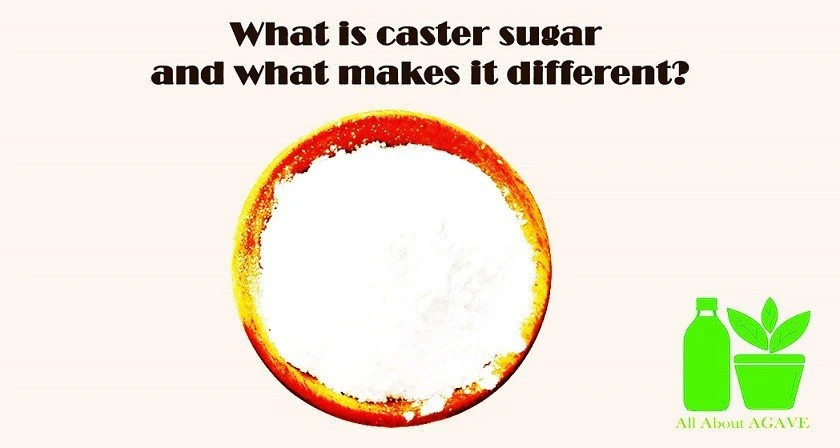
Caster sugar and powdered sugar look nearly identical — both white, finely processed, and sweet. But their textures, uses, and behaviors in recipes are genuinely distinct. Use the wrong one and you'll end up with gritty frosting, flat meringues, or a cocktail that refuses to dissolve properly. This post covers everything: what each sugar actually is, how they compare head-to-head, when to use each one, and how to substitute smartly in a pinch.
According to Wikipedia's overview of sugar, sucrose processing methods directly affect texture and culinary application — which explains exactly why caster and powdered sugar, both derived from the same raw material, behave so differently on your counter and in your oven. Understanding the science behind your ingredients is the first step to becoming a more confident cook.
Contents
Before you can use these sugars correctly, you need to understand what actually sets them apart — not just in texture, but in composition, processing, and how each one interacts with other ingredients in your recipes.
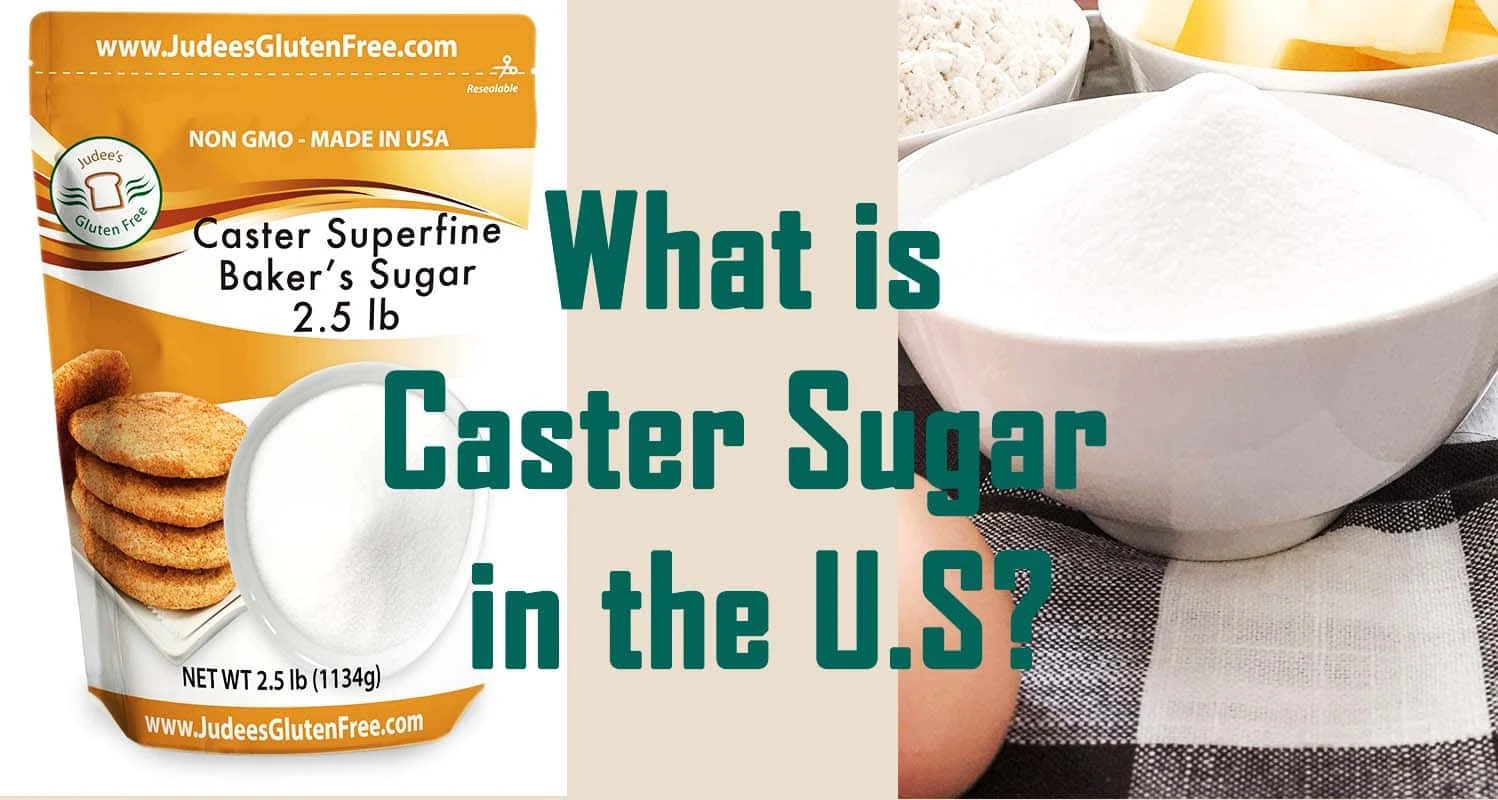
Caster sugar — sometimes spelled "castor sugar" — is granulated white sugar ground to a finer consistency than regular table sugar. It sits between granulated and powdered sugar in terms of particle size. The name comes from the "caster" shakers once used to sprinkle fine condiments at the dining table. In the United States, it's sold as "superfine sugar" or "baker's sugar," and those products are completely identical to British-style caster sugar.
Because caster sugar dissolves quickly without heat, it's the professional baker's standard for any recipe where undissolved granules would ruin the final texture or appearance.

Powdered sugar — also called confectioners' sugar or icing sugar — is ground far more finely than caster sugar, then deliberately mixed with a small amount of cornstarch (approximately 3%) to prevent clumping. That cornstarch addition is the defining chemical difference between the two. It's not just a matter of particle size — cornstarch changes how powdered sugar behaves when heated, mixed with fat, or exposed to moisture.
Powdered sugar is optimized for surface finishes and fat-based applications. It dissolves completely into butter and cream cheese in a way caster sugar simply cannot match.
Here's a direct head-to-head comparison to keep handy when you're mid-recipe and unsure which sugar belongs in the bowl:
| Feature | Caster Sugar | Powdered Sugar |
|---|---|---|
| Grain size | Fine (~0.35 mm) | Very fine (powder) |
| Cornstarch added | No | Yes (~3%) |
| Dissolves in cold liquid | Yes, quickly | Yes, instantly |
| Best for | Meringues, sponge cakes, cocktails | Frosting, icing, dusting |
| Baked texture | Light, fine crumb | Can feel starchy if overused |
| US equivalent name | Superfine / Baker's sugar | Confectioners' sugar |
| Substitute for the other? | Rarely — case by case | Rarely — case by case |
Knowing the difference is only half the battle. Here are the practical tips that actually prevent kitchen mistakes — and save your baked goods.
You don't need a specialty store to get caster sugar. You can make a perfect equivalent at home in under a minute with a standard blender or food processor. This is especially useful when a recipe calls for caster sugar and all you have is regular granulated on hand.
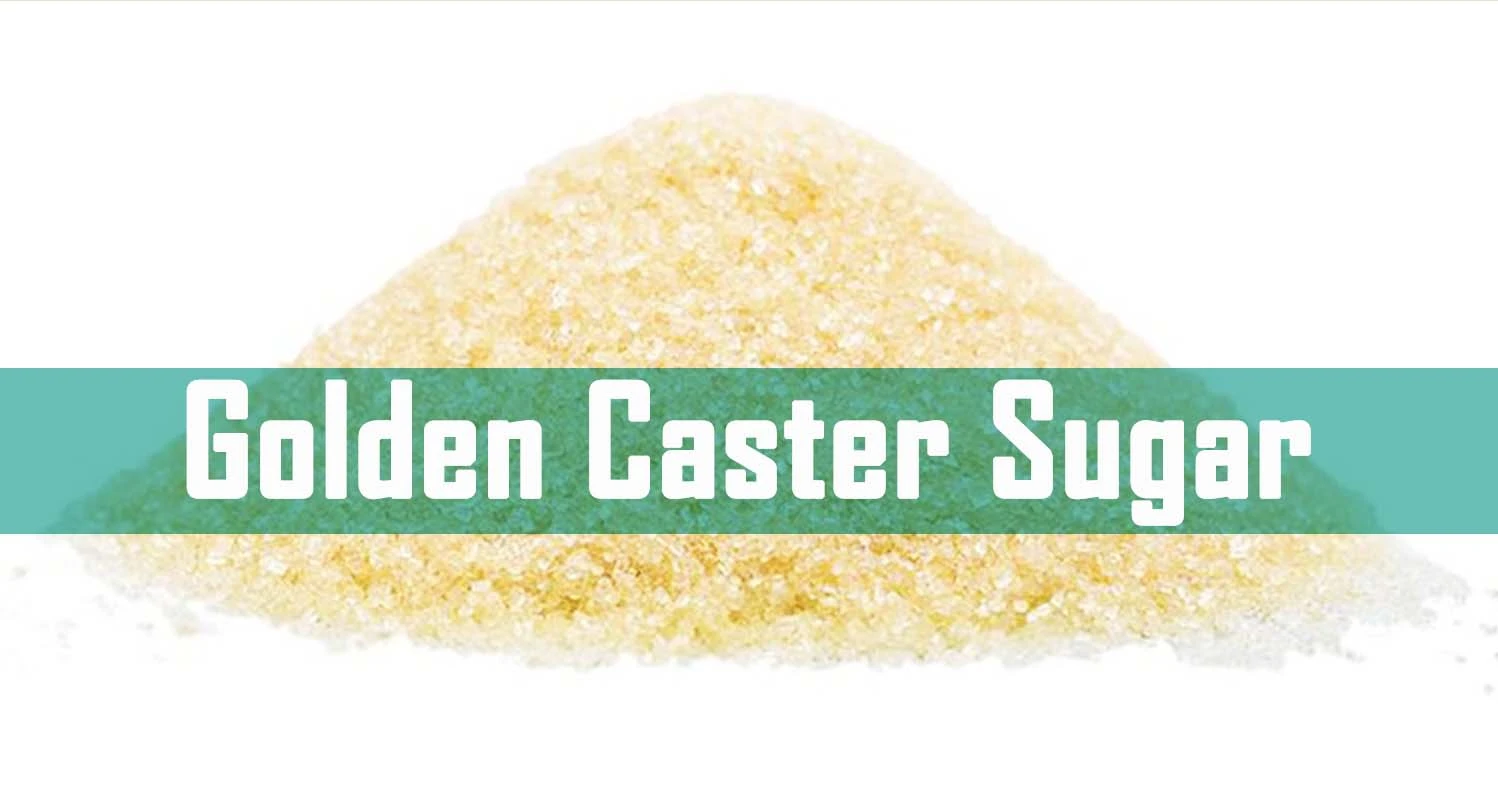
Pro tip: Pulse in short bursts and check the texture between each one. Over-blending turns your caster sugar into powdered sugar — and once you've crossed that line, you cannot go back.
Powdered sugar is hygroscopic — it draws moisture from the surrounding air and clumps fast. The cornstarch slows this process, but poor storage still ruins it. Follow these steps to keep yours in usable condition:
Bad information about caster and powdered sugar is everywhere — in recipe comment sections, cooking videos, and well-meaning advice from friends. Here are the two myths that cause the most consistent kitchen failures, and why they're wrong.
This is the most common — and most damaging — mistake home cooks make. Caster sugar and powdered sugar are not direct substitutes in most recipes. Using one in place of the other changes the chemistry of what you're making, and the results reflect that.
The one exception is cold drinks. In cocktails and lemonade, either sugar dissolves well enough at room temperature that the difference is minor. That's a narrow exception — not permission to substitute freely everywhere else.
This one sounds plausible but falls apart on inspection. Yes, both start as ground sucrose. But the cornstarch in powdered sugar makes it a functionally different ingredient. Think about it this way: you wouldn't substitute baking powder for baking soda just because they're both white powders that affect how baked goods rise. The same logic applies here — similar starting points, different behavior, different results.
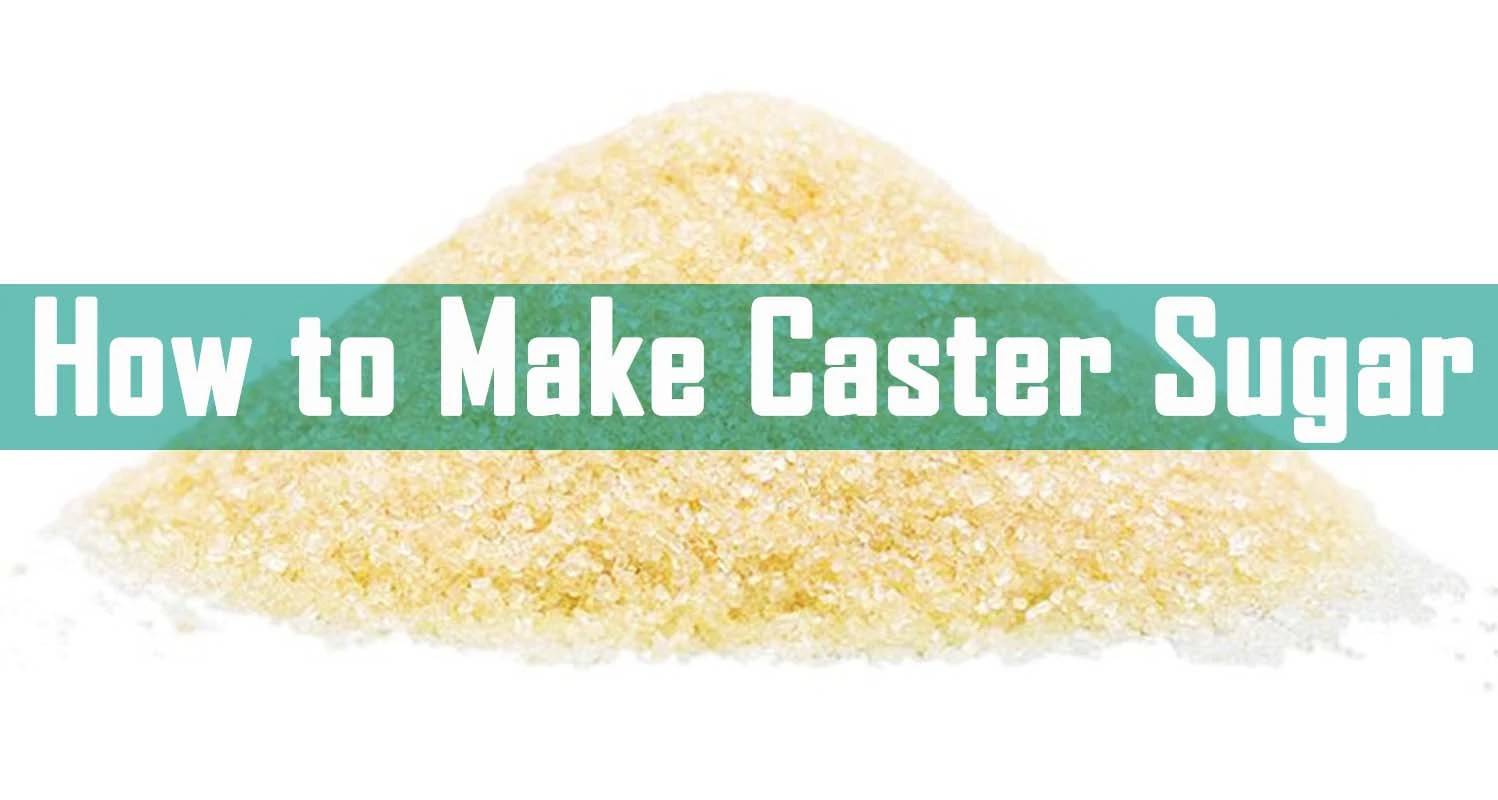
Golden caster sugar adds another layer to this: it's made from unrefined cane sugar and carries a subtle molasses note that adds real flavor depth to your baking. That's something powdered sugar simply cannot replicate, regardless of how finely it's been ground.
Theory is useful. Real results are what actually matter at the kitchen counter. Here's how each sugar performs in the recipes where you'll encounter them most often.
Caster sugar is the professional standard for recipes where sugar needs to cream smoothly with butter or dissolve cleanly into egg whites. Its fine grain creates a lighter, more uniform crumb than regular granulated sugar and incorporates without leaving scratchy, undissolved bits in your batter.
Just as knowing which specific spice or herb produces the best flavor result matters — see Trinjal's deep-dive on black pepper and its real health benefits for an example of how ingredient-specific knowledge changes your results — knowing which sugar your recipe actually needs makes a decisive difference in what comes out of the oven.
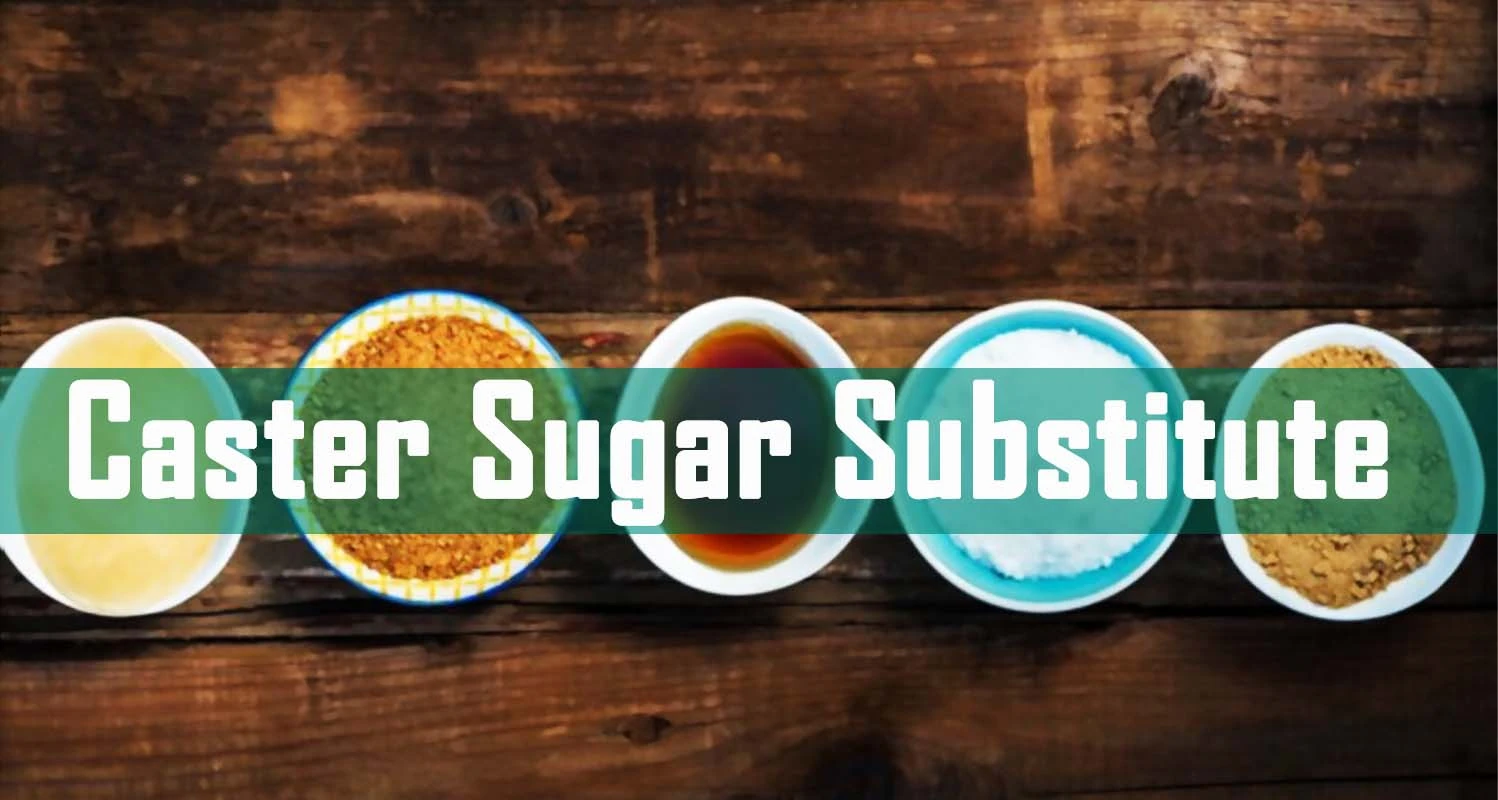
Caster sugar dissolves in cold liquid far more quickly than regular granulated sugar — without any heat required. That property makes it the bartender's standard for sweetening cocktails and cold drinks at the point of service.
Warning: Never use powdered sugar to make simple syrup — the cornstarch creates cloudiness and leaves a faint starchy aftertaste in your finished drink that you cannot cook out.
If you brew herbal teas from your garden and sweeten them with sugar, you might also like to know that used tea bags are completely compostable. Check out Trinjal's guide on composting tea bags for everything you need to know about returning kitchen scraps to your garden beds.
Here's a direct decision guide. No filler — just the clear-cut situations that tell you which sugar belongs in your recipe at any given moment.
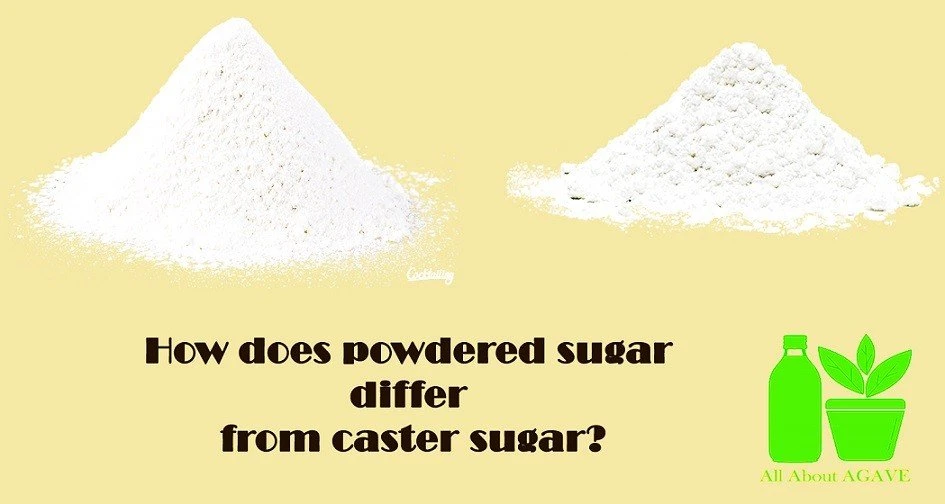
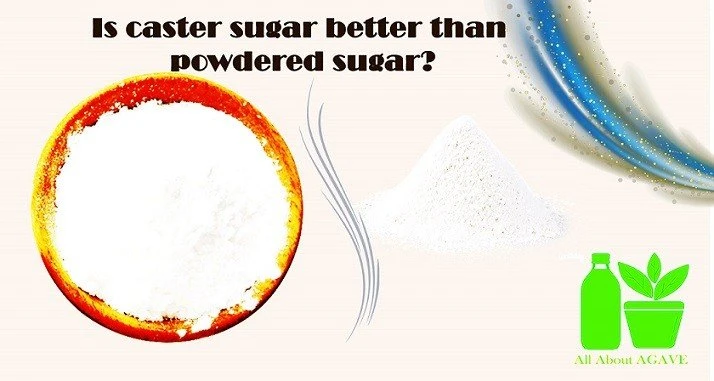
Neither sugar is universally better than the other. They're purpose-built ingredients, each optimized for specific outcomes. The moment you understand what your recipe is trying to achieve, you know exactly which one belongs in your bowl. And if you want to keep closing the loop between your kitchen and your garden, our guide on composting paper towels is a great next read — a simple habit that every home grower can build into their routine.

No. Caster sugar won't dissolve completely in butter or cream cheese at room temperature, which leaves a distinctly gritty texture in your frosting. Powdered sugar is the right choice for all frostings and icings because it dissolves fully into fat and creates a smooth, stable finish that caster sugar simply cannot produce.
Yes, exactly. In the United States, caster sugar is sold under the names "superfine sugar" or "baker's sugar." The product is completely identical — finely ground white granulated sugar with no additives whatsoever. You can use superfine sugar in any recipe that specifies caster sugar and expect the same results.
No — you cannot reverse the process. Powdered sugar contains cornstarch that was added during manufacturing and cannot be removed. If you need caster sugar and don't have any, make it by pulsing regular granulated sugar in a blender for 10–15 seconds in short bursts until it reaches a fine, sand-like consistency. Stop before it turns powdery.
Now that you understand the real differences between caster sugar and powdered sugar, you have everything you need to make the right call every time you bake or mix a drink. Put this knowledge to work in your next recipe — reach for the correct sugar, pay attention to the difference in texture and finish, and share this guide with anyone in your life who's been swapping these two sugars and wondering why their results keep falling short.
 |
 |
 |
 |

About Truman Perkins
Truman Perkins is a Detroit-based SEO consultant who's been in the business for over a decade. He got his start helping friends and clients get their websites off the ground, and he continues to do so today. In his free time, Truman enjoys learning and writing about gardening - something he believes is a natural stress reliever. He lives with his wife, Jenny, and their twins in Detroit.


Get new FREE Gifts. Or latest free growing e-books from our latest works.
Disable Ad block to reveal all the links. Once done, hit a button below
|
|
|
|
 rinjal