reviewed by Christina Lopez
Over 80% of the global population relies on herbal remedies as part of daily healthcare — yet most home herbalists put almost no thought into where their plant material actually comes from. Sourcing the best herbs for tincture making is the single most important variable in your extract's potency. Poor-quality herbs produce weak tinctures regardless of how refined your process is. Whether you grow them yourself, forage locally, buy from a nearby farm, or order online, each method carries real trade-offs worth understanding. Browse our gardening reviews for more tool and supply recommendations to support your herbal practice.
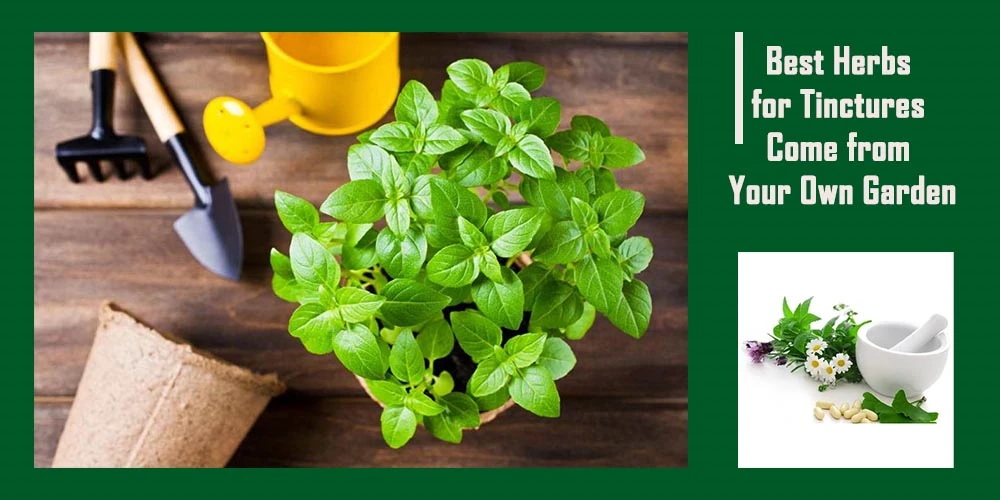
A tincture extracts the active constituents of an herb using a solvent — most commonly alcohol, but also glycerin or vinegar. The plant material's freshness, purity, and accurate identification directly affect the final product. Dried herbs lose volatile compounds over time. Contaminated herbs introduce toxins into your remedy. Your sourcing method determines all of this before you ever fill your mason jar.
This guide breaks down four proven approaches: growing your own, foraging wild, buying local, and ordering online. Each section includes a clear-eyed look at costs, quality benchmarks, and when each method works best — or fails you.
Contents
Growing your own gives you unmatched control over cultivation practices, harvest timing, and quality. Not all medicinal herbs are equally practical to grow at home — start with varieties that are easy to cultivate, yield well in garden beds or containers, and rank among the most useful for extract work.
These herbs are also widely available as transplants at local nurseries, which cuts weeks off your timeline compared to starting from seed. Buy transplants when you're just getting started and save seed-starting for once you know which herbs you use most.
You don't need acres. A single 4×8 raised bed handles a solid core herb collection for regular tincture production. Follow this sequence to set up correctly from the beginning:
For herbalists growing in apartments, cold climates, or tight spaces, a self-contained beginner grow box simplifies temperature, lighting, and humidity in one compact unit. The upfront cost pays off quickly when you're harvesting herbs year-round rather than waiting on spring weather.
Before committing to a sourcing strategy, know what it actually costs. Here's what most herbalists spend across the four main options:
| Sourcing Method | Upfront Cost | Per-Pound Cost | Quality Control | Year-Round Access |
|---|---|---|---|---|
| Grow Your Own | $50–$200 (setup) | $2–$5 | Excellent | No (seasonal) |
| Wild Foraging | $0–$30 (field guide) | $0 | Variable (skill-dependent) | No (seasonal) |
| Local Farms & Nurseries | None | $8–$20 | Good to Excellent | No (seasonal) |
| Online Herbal Suppliers | None | $10–$40 | Varies by vendor | Yes |
Growing your own is cheapest long-term but requires upfront investment in soil, beds, and irrigation equipment. Wild foraging costs nothing financially but demands serious botanical knowledge and time. Local farms hit a practical middle ground — you pay more per pound but skip the growing labor entirely. Online suppliers charge the most at retail quantities, though bulk orders reduce per-ounce costs considerably once you know which herbs you go through fastest.
Pro tip: Start by growing 2–3 of your most-used herbs and fill the gaps with a trusted online supplier — this keeps costs manageable while you build real growing expertise over time.
Even experienced herbalists run into sourcing problems. Here are the most common ones and exactly what to do about them:
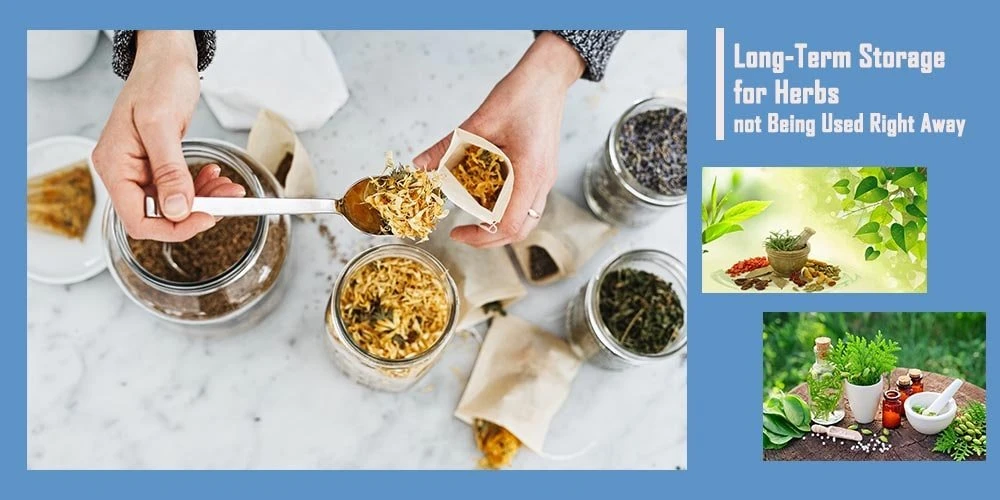
Many medicinal herbs peak once a year. When fresh material isn't available, proper drying and storage preserves potency throughout the rest of the year — keeping your tincture production running on schedule.
Wild-harvested herbs can be extraordinarily potent. Plants growing in their natural habitat often produce higher concentrations of active compounds than commercially cultivated varieties. According to Wikipedia's overview of herbalism, traditional medicine systems across cultures have long prioritized wild-crafted plant material for exactly this reason.
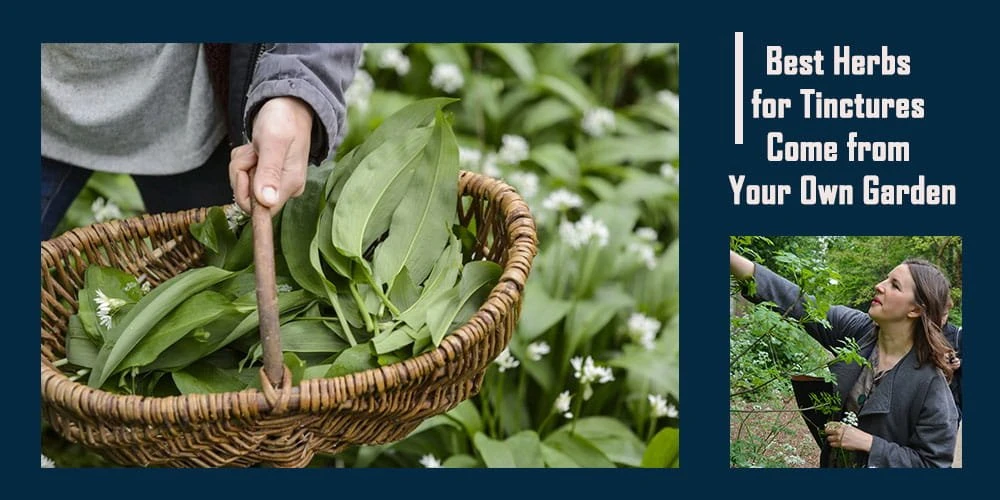
That said, foraging demands real skill. Follow these non-negotiable rules every single time:
Buying locally grown herbs is one of the most underrated options for tincture makers. Local herb farms often grow without pesticides even when not certified organic, sell genuinely fresh material at peak harvest, and can tell you exactly how their plants were cultivated. That transparency is nearly impossible to get from a national retailer.
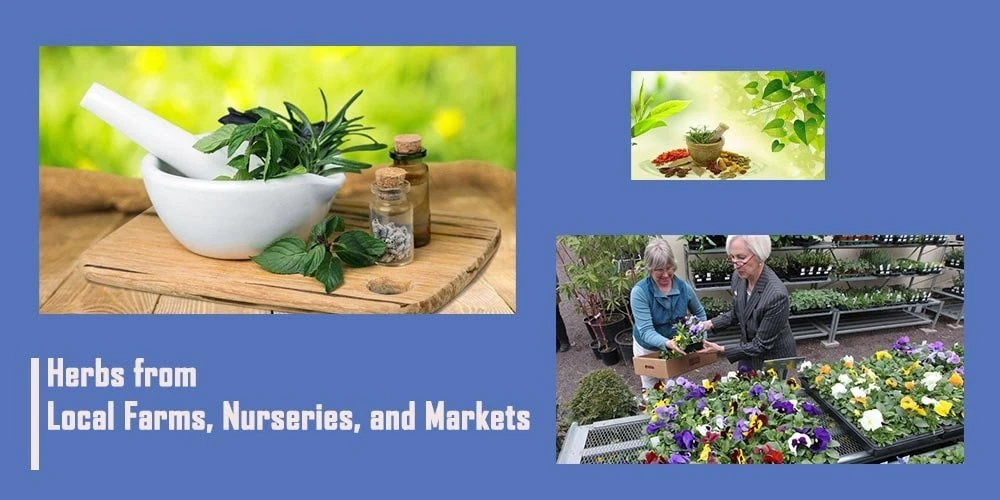
Here's where to find quality local herb sources near you:

Online purchasing works best in specific, well-defined situations:
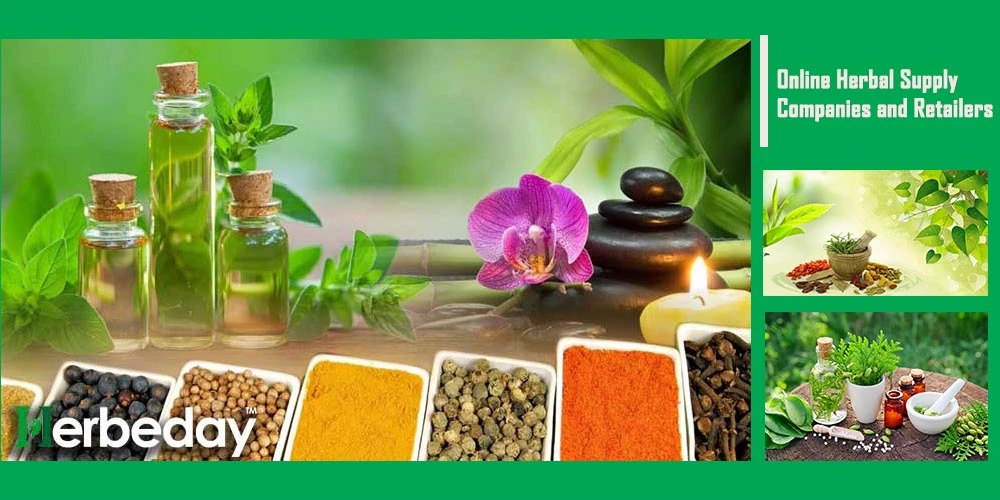
Reputable online herbal suppliers provide Certificates of Analysis (COA), transparent country-of-origin data, and certified organic or ethically wildcrafted options. Verify all three before placing any order. Never buy herbs from sellers who can't or won't share third-party testing documentation — that reluctance tells you everything.
Amazon carries a wide range of dried herbs from multiple vendors. Quality varies significantly by seller, but for high-demand everyday herbs like chamomile, peppermint, and rose hips, you can find solid options at competitive pricing — provided you know what certifications to look for and which seller reviews to trust.

Local sourcing wins clearly in these situations — don't let convenience push you online when local is the better call:
Your best sourcing approach depends on your goals, your location, your budget, and how much time you're willing to invest. Here's how all four methods compare across the criteria that matter most when you're working to produce high-quality, potent tinctures:
| Criteria | Grow Own | Wild Forage | Buy Local | Buy Online |
|---|---|---|---|---|
| Potency potential | High | Very high | High | Medium–High |
| Pesticide/contamination risk | Low (you control it) | Variable | Low–Medium | Low (with COA) |
| Year-round availability | No | No | No | Yes |
| Skill required | Medium | High | Low | Low |
| Long-term cost | Lowest | Zero | Medium | Medium–High |
| Best for | Core herbs, large batches | Seasonal wildcrafting | Fresh-plant tinctures | Exotic or off-season herbs |
Most experienced herbalists combine two or three of these methods. Grow your staples, forage what grows abundantly near you in season, and fill specialty gaps through a trusted online supplier. This hybrid approach keeps quality high and costs manageable all year long.
Echinacea, lemon balm, calendula, and chamomile are excellent starting points. They're easy to grow or source, widely studied, and produce reliable results in alcohol-based tinctures. All four are forgiving in terms of extraction ratios, which makes them ideal for building your tincture-making skills without wasting expensive material.
Yes — dried herbs work well for most tinctures. The standard ratio is 1:5 herb to menstruum by weight and volume. Fresh herbs use a 1:2 ratio. Dried material is often more practical and consistent for home herbalists who aren't harvesting from a large personal garden throughout the growing season.
Smell is your first and most reliable indicator — quality herbs smell strong and immediately recognizable. Visually, look for vibrant color and intact plant parts with no signs of insect damage or moisture. For purchased herbs, always request a Certificate of Analysis covering pesticide residues and heavy metals before committing to a supplier.
Foraging is safe when you have solid botanical identification skills and follow strict safety protocols. Never harvest a plant you cannot positively identify using at least two independent botanical sources. Certain toxic plants closely resemble popular medicinal herbs — false identification is the single largest safety risk in wild foraging for tincture material.
Store dried herbs in sealed glass jars kept away from light, heat, and humidity. Avoid plastic containers, which can interact with volatile compounds in some herbs over time. Label every jar with the herb name, plant part, harvest date, and source. Rotate your stock and use dried material within 12 months for best tincture potency.
For most home herbalists producing small to medium batches, yes. A single well-managed 4×8 raised bed supplies several core herb varieties year-round. For higher-volume production, supplement your home garden with bulk purchases from a tested online supplier to cover demand gaps and off-season needs without sacrificing quality.
Food-grade alcohol — vodka at 40–50% or grain alcohol diluted to 50–70% — is the most versatile and effective menstruum for the broadest range of herbs. Vegetable glycerin is a practical alcohol-free alternative for children or those avoiding alcohol, though it extracts a narrower range of active compounds. Apple cider vinegar works for culinary herbs but is the weakest extractant of the three options.
The quality of your tinctures is decided long before you add the solvent — it starts with how and where you source your herbs. Now that you understand the real trade-offs between growing, foraging, buying local, and ordering online, pick one method to act on this week: start a small herb bed, visit your nearest farmers market to ask about medicinal varieties, or place your first order from an online supplier that publishes lab testing results. Take that single concrete step and you'll produce noticeably stronger, cleaner tinctures from your very next batch.
 |
 |
 |
 |

About Christina Lopez
Christina Lopez grew up in the scenic city of Mountain View, California. For eighteen ascetic years, she refrained from eating meat until she discovered the exquisite delicacy of chicken thighs. Christina is a city finalist competitive pingpong player, an ocean diver, and an ex-pat in England and Japan. Currently, she is a computer science doctoral student. Christina writes late at night; most of her daytime is spent enchanting her magical herb garden.


Get new FREE Gifts. Or latest free growing e-books from our latest works.
Disable Ad block to reveal all the links. Once done, hit a button below
|
|
|
|
 rinjal