Have you ever spent more time hunting down a reliable source than actually using the product itself? If you've been trying to figure out where to buy castor oil online, you're asking exactly the right question — and the answer is more nuanced than a simple Google search suggests. Whether you're using castor oil as a natural mole deterrent in your garden beds, a soil conditioner for your herb patch, or a nourishing treatment for your hair and skin, the source matters enormously. This guide walks you through every major platform, flags the shopping mistakes most buyers make once, and gives you a clear comparison so you can buy with real confidence. For more on plant-based oils and how they apply to garden and wellness use, start with our guide to the 11 Best Sweet Almond Oils.
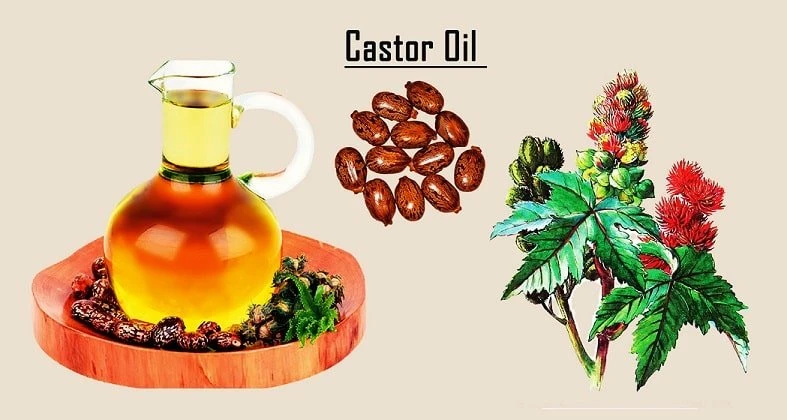
Castor oil is cold-pressed from the seeds of Ricinus communis, a fast-growing tropical plant in the spurge family. According to Wikipedia, it has been cultivated and used for centuries across medicine, agriculture, and industrial applications. In the garden, it functions as a proven mole and vole repellent, a mild soil amendment, and a natural insect deterrent. If you want to explore the broader world of medicinal and garden herbs, the Herbs A–Z: Medicinal & Garden Herb Directory is an excellent companion resource.
Not all castor oil is the same product. Cold-pressed versions retain the most beneficial compounds and suit both garden and personal care applications. Jamaican black castor oil is made from roasted seeds — it carries a stronger smell, a darker color, and a higher ash content, making it better suited to hair treatments than garden work. Knowing which type you need before you start shopping prevents wasted money and frustration.
Contents
Your first decision is about grade, and it's the most consequential one. For garden applications — mole repellent sprays, soil treatments, pest deterrents — you want cold-pressed, food-grade or agricultural-grade castor oil with no added solvents. These dilute cleanly in water and dish soap and won't harm your plants at standard concentrations. For skincare and hair care, hexane-free certification is a minimum standard. If you're using it near edible crops in your herb garden, USDA Organic matters too. Castor oil works best as part of a layered soil health strategy — our guide on Worm Castings for Fertilizer explains how organic inputs work together to build genuine soil biology.
"Pure castor oil" doesn't automatically mean cold-pressed or hexane-free — those are separate claims that must appear explicitly on the label. Check that the ingredients list reads only "Ricinus communis seed oil" with nothing else added. A product with multiple ingredients is a diluted blend, not a standalone oil. Color is a reliable quality indicator too: genuine cold-pressed, unrefined castor oil should be pale yellow with a mild, slightly nutty odor. Clear and completely odorless means it's been refined — useful for some formulations, but not the full-spectrum product you may be looking for.
Third-party certifications aren't just marketing copy. USDA Organic, COSMOS Organic, and non-GMO Project verification each tell you that an independent organization has confirmed what the brand claims. For garden use especially — where the oil may contact your soil, roots, or edible crops — that external verification matters. For more vetted garden product comparisons, browse our Gardening Reviews section.
Check the bottle for a lot number and expiration date before you buy. Castor oil has a shelf life of roughly one year once opened — buying in bulk only saves money if you'll actually use it in time.

Once you know what grade you need, the next step is choosing the right platform. Each major marketplace has distinct strengths depending on whether you prioritize price, selection, speed, or sourcing transparency. Here's what you need to know about each one before you commit.

Amazon gives you the widest selection by far. Major brands like Sky Organics, Kate Blanc Cosmetics, and Majestic Pure maintain active storefronts with thousands of verified buyer reviews. Prime two-day shipping is a genuine advantage when you're mid-project and running short. The main risk is counterfeit or mislabeled listings — stick to brands where the seller is the brand itself, not an unfamiliar third-party reseller. Filter by "Climate Pledge Friendly" or "Amazon's Choice" to narrow results quickly, and read the most recent reviews rather than the overall aggregate rating.
Walmart.com offers competitive pricing and one feature Amazon lacks: same-day in-store pickup. If you need the oil today, this is often your fastest route. The selection is narrower than Amazon, but you'll reliably find Heritage Store, Tropic Isle Living, and some private-label options at lower price points. For standard-grade garden pest control use — where you're mixing the oil into a spray and don't need premium certification — Walmart is consistently the most cost-effective option without sacrificing accessibility.
Target skews heavily toward beauty and wellness brands, so their castor oil lineup is best if you're buying for personal care rather than garden use. You'll find brands like NOW Solutions and Cliganic both online and in store. Same-day delivery via Shipt is available in most metro areas. Target also has one of the most generous return policies among major retailers — a genuine advantage when you're testing a new brand for the first time and want the option to return it hassle-free.
eBay is the go-to platform for bulk purchasing. You'll find gallon jugs and multi-liter containers at per-unit prices the other platforms rarely match. Vet sellers carefully: check their feedback percentage, read recent buyer reviews, and confirm that the listing specifies food-grade or cosmetic-grade as appropriate for your use. eBay's buyer protection program covers most disputes, so your purchase isn't unprotected even with unfamiliar sellers — but due diligence upfront saves the hassle of filing a claim later.
Etsy connects you with small-batch producers who often source directly from farms or press in small volumes without industrial solvents. You'll find infused blends — castor oil combined with rosemary, peppermint, or vitamin E — that simply don't exist on the major platforms. The trade-off is higher pricing and slower shipping. But the level of sourcing transparency is genuinely rare. If provenance matters to you — similar to the philosophy behind buying from small producers covered in our post on where to buy quality aloe vera juice — Etsy delivers that kind of detail consistently.
| Platform | Best For | Price Range | Selection | Fastest Shipping |
|---|---|---|---|---|
| Amazon | Variety, Prime shipping | $$ | Widest | 1–2 days (Prime) |
| Walmart | Budget buying, in-store pickup | $ | Moderate | Same day |
| Target | Beauty and wellness brands | $$ | Moderate | Same day (Shipt) |
| eBay | Bulk quantities | $–$$ | Variable | 3–7 days |
| Etsy | Artisan and small-batch | $$$ | Niche | 3–10 days |
If you use castor oil regularly — in garden sprays, soil treatments, or a personal care routine — buying small bottles every few weeks gets expensive fast. Amazon's Subscribe & Save program locks in a 5–15% discount and automates reordering on your schedule. eBay bulk listings offer the lowest per-ounce cost if you have storage space and know you'll go through a full gallon. The key is matching your purchase volume to your actual consumption rate — buying a gallon you can't finish before it expires saves nothing and may produce worse results as the oil degrades.
Castor oil degrades when exposed to heat, light, and air — three things that are easy to control with a little planning. Store it in a cool, dark location away from your stove or direct sunlight. A basement shelf, a dark cabinet, or even a pantry corner works well. Keep the lid tightly sealed between uses to limit oxidation. Amber glass bottles, common on Etsy listings, provide better UV protection than clear plastic. A properly stored bottle of quality castor oil will stay fresh for 12 months after opening — sometimes longer if conditions are ideal. This same careful storage mindset applies to any liquid soil amendment you use in your garden, including the solutions discussed in our guide to how to sterilize soil for planting.
Buying Jamaican black castor oil when you need cold-pressed oil for garden pest control is a common and frustrating mistake. The roasted-seed process changes the oil's composition significantly — it behaves differently in application and smells far stronger. Agricultural concentrate is far more potent than cosmetic-grade oil; applying the wrong concentration directly to soil can harm root systems. Match the grade and concentration to the specific job before you add anything to your cart. When in doubt, cold-pressed, cosmetic-grade oil is the safest multipurpose choice for most gardeners.
A 4.5-star aggregate rating doesn't tell the full story. On Amazon especially, sellers occasionally switch products on popular listings — meaning recent buyers may have received something different from what earlier reviewers evaluated. Sort reviews by "most recent" and read the critical ones specifically. They'll tell you what went wrong for real buyers, not just what went right for the enthusiastic ones. On eBay and Etsy, check how long the seller has been active and whether their feedback score is consistent across the last 12 months, not just their all-time average.
Shopping online for castor oil gives you access to grades, brands, and sizes that no local store can realistically stock. You compare ingredient lists side by side, filter by certification, and read independent reviews in minutes. For gardeners especially, finding agricultural-grade concentrate or USDA Organic cold-pressed oil by the gallon is nearly impossible at a local pharmacy or grocery store — those quantities simply don't appear on physical shelves. Subscription options add a layer of convenience that local shopping cannot replicate, and price comparison across platforms takes seconds rather than a trip across town.
Local health food stores, co-ops, and farm supply retailers maintain a clear advantage in two specific situations: when you need the oil immediately, and when you want to evaluate the product in person before committing to a purchase. Farm supply stores sometimes stock bulk agricultural castor oil at prices that rival or undercut eBay listings. And buying local supports your community — a value many gardeners feel strongly about, given the same community-first mindset that drives interest in growing your own herbs, composting your own soil, and reducing reliance on industrial supply chains.
The USDA Organic label verifies that the source material was grown without synthetic pesticides or fertilizers. It says nothing about extraction method. You can have a certified organic castor oil that was extracted with hexane solvents — technically certified organic, but not the purity standard you likely assumed. Read the extraction method claim separately from the organic certification. Cold-pressed and hexane-free are the quality markers that matter most for garden and personal care applications. Organic status is an additional bonus, not a substitute for those specifics.
This is the most expensive myth to believe, because it leads to buying whatever is cheapest and wondering why results disappoint. Cold-pressed, unrefined castor oil retains its pale yellow color, mild odor, and full fatty acid profile — including ricinoleic acid, the compound responsible for most of its practical benefits. Refined castor oil is colorless and odorless but stripped of certain compounds during processing. Jamaican black castor oil is a different product category entirely. These are not interchangeable, and treating them as equivalent leads to wasted purchases and results that don't match what you expected.
Amazon offers the widest selection and fastest shipping, making it the best overall starting point for most buyers. For bulk purchases at the lowest per-unit cost, eBay is the stronger choice. If you want small-batch, artisan-produced oil with detailed sourcing information, Etsy delivers a level of transparency the major platforms rarely match. Always verify certifications and read the most recent buyer reviews regardless of which platform you choose.
Yes — cold-pressed castor oil is widely used as a mole and vole repellent when diluted in water with a few drops of dish soap. It is not toxic to plants at those diluted concentrations, but avoid applying undiluted oil directly to soil or plant roots. Use agricultural-grade concentrate specifically for pest control applications, and keep cosmetic-grade oil for personal care use where purity standards are higher.
Standard cold-pressed castor oil is extracted from raw seeds and has a light yellow color with a mild odor. Jamaican black castor oil is made from roasted seeds, producing a dark color, higher pH, and a distinctive smoky scent from the ash content. Black castor oil is primarily used for hair growth and scalp treatments. For garden pest control and most general-purpose applications, standard cold-pressed oil is the appropriate choice.
Look for hexane-free extraction, USDA Organic or COSMOS certification, and an ingredients list that reads only "Ricinus communis seed oil" with nothing added. The bottle should carry a lot number and expiration date. Genuine cold-pressed, unrefined oil will be pale yellow — not clear and colorless. Avoid any product that lacks transparency about its extraction method or sourcing, regardless of how attractive the price looks.
Now that you know exactly where to buy castor oil online and what separates a quality product from a mediocre one, you're ready to make a confident, informed purchase. Start with Amazon for convenience and selection, check Walmart if price or same-day pickup matters most, or head to Etsy if artisan quality and sourcing transparency are your priority. Pick your platform, verify the grade and certifications, and put that bottle to work in your garden or daily routine today.
 |
 |
 |
 |

About Truman Perkins
Truman Perkins is a Detroit-based SEO consultant who's been in the business for over a decade. He got his start helping friends and clients get their websites off the ground, and he continues to do so today. In his free time, Truman enjoys learning and writing about gardening - something he believes is a natural stress reliever. He lives with his wife, Jenny, and their twins in Detroit.


Get new FREE Gifts. Or latest free growing e-books from our latest works.
Disable Ad block to reveal all the links. Once done, hit a button below
|
|
|
|
 rinjal