Have you ever made a drink at home that just tasted… off — too sharp, too sweet, or somehow flat? The sweetener is often the culprit, and agave nectar drink recipes might be exactly the fix you've been overlooking. Agave nectar comes from the same striking succulents you'll find covered across Trinjal's plants, herbs, and farming guides — and it turns out, what grows in the garden can transform what's in your glass. This post cuts through the hype and gives you a clear, practical foundation for using agave nectar in drinks that actually work.
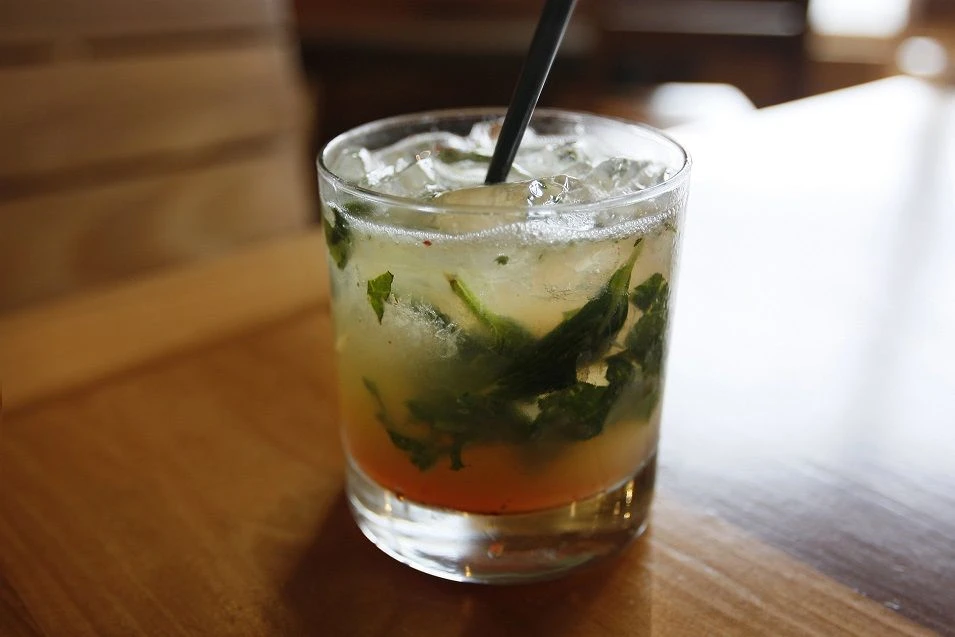
Agave nectar — often labeled agave syrup — is extracted from the core of the agave plant, then processed into a pourable liquid sweetener. It's thinner than honey, dissolves instantly in cold liquids, and carries a mild, faintly floral sweetness that doesn't compete with the other flavors in your glass. Those qualities explain why craft bartenders have reached for it for years.
But there's also a lot of noise around this ingredient — about its health credentials, how to store it, whether it's worth the cost, and which recipes actually suit it. Let's go through each of those questions honestly so you can make smart choices at every step.
Contents
Walk through any health food store and you'll see agave nectar positioned as a smart choice for people watching their blood sugar. The underlying claim — that it has a lower glycemic index than table sugar — is technically accurate. Agave nectar typically scores between 10 and 19 on the glycemic index scale, compared to roughly 65 for white table sugar. That sounds like a clear win. The reality, though, is more layered.
Agave nectar is extraordinarily high in fructose — often between 70 and 90 percent, depending on the brand and processing method. Your body handles fructose differently than glucose, routing it almost entirely through your liver. For most people using a small amount to sweeten a drink, this isn't a dramatic concern. But if you're interested in the full picture of how this sweetener interacts with your metabolism, our post on the agave syrup glycemic index breaks it down in plain terms.
A lower glycemic index doesn't automatically make a sweetener a health food — fructose content matters too, and agave nectar has more fructose than almost any other common sweetener. Moderation is still the right approach.
The word "natural" on a food label can mean almost anything. Agave nectar does start with a plant — usually blue agave or a related species — but most commercial versions are processed at temperatures high enough to break down the plant's raw inulin fibers into fructose. What comes out the other end is quite different from the raw plant sap. Raw agave nectar, processed below about 115°F (46°C), is the closest to an unaltered form, but it commands a higher price and is harder to find. According to Wikipedia's entry on agave syrup, the commercially sold product has typically been significantly transformed from its botanical origin.
The single most common mistake people make with agave nectar is using it in a 1:1 swap for simple syrup or granulated sugar. Agave nectar is roughly 1.5 times sweeter by volume than white sugar, so your drinks end up cloyingly sweet before you realize what happened. A reliable starting point: if a recipe calls for one tablespoon of simple syrup, use about two teaspoons of agave nectar instead.
Many home bartenders go one step further and dilute their agave before mixing. A 2:1 blend — two parts agave nectar to one part warm water — creates a thinner syrup that integrates into shaken and stirred drinks more predictably. This diluted version behaves almost identically to simple syrup but with agave's distinctive flavor underneath. It's worth making a small bottle to keep on hand.
Undiluted agave nectar keeps well at room temperature for up to a year as long as the bottle stays sealed. Once you introduce water by diluting it, shelf life drops significantly. A diluted agave syrup should go into a sealed glass container in the refrigerator and be used within two to three weeks. Any cloudiness or sour smell means it's time to make a fresh batch. These are small habits, but they make a consistent difference in your drinks.
Always measure with a dry spoon — introducing even a drop of water into your undiluted agave bottle can encourage fermentation and shorten its shelf life faster than you'd expect.
Agave nectar solves a real problem: getting a sweetener to dissolve completely in cold liquid without stirring for minutes. Granulated sugar fails at this. Even simple syrup can settle slightly in a cold shaken drink. Agave nectar, by contrast, blends in instantly, which makes it ideal for margaritas, citrus-forward cocktails, and anything served over ice. It also has genuine flavor complexity that plain simple syrup lacks. Light agave carries a subtle floral note. Amber agave edges toward caramel. That depth pairs especially naturally with tequila and mezcal, which are themselves agave-derived spirits — the flavor families reinforce each other.
Agave nectar isn't the right tool for every drink. In hot beverages — tea, coffee, warm cider — honey or plain simple syrup dissolves just as well and may be more cost-effective. When you're building infused syrups with strong herbal or spice elements, starting with a neutral sugar base gives you full control over the final flavor without agave's presence competing. And in any recipe where you're cooking the sweetener down to a reduction, the high fructose content in agave can cause premature browning at lower temperatures, which may throw off your result.
Agave nectar is sold in four main grades, and the price differences between them are real enough to factor into your purchasing decisions. Here's a straightforward comparison to help you choose:
| Grade | Flavor Profile | Avg. Price (16 oz) | Best Used For |
|---|---|---|---|
| Light | Mild, neutral | $5–$8 | Cocktails, lemonade, iced tea |
| Amber | Richer, slightly caramel | $7–$10 | Margaritas, mocktails, smoothies |
| Dark | Bold, earthy | $8–$12 | Mezcal drinks, warm spiced beverages |
| Raw | Complex, floral | $10–$16 | Health-focused drinks, minimal processing |
For most people starting out, a bottle of light agave is the best first purchase — it's versatile, affordable, and unlikely to overpower whatever you're making. Buying a 32-ounce bottle from a health food store or online retailer typically brings the per-ounce cost down enough to make regular use practical without feeling wasteful.
Lime is agave nectar's most natural partner — the acidity cuts the sweetness cleanly, which is exactly why the classic margarita works so well. Beyond citrus, agave plays well with fresh ginger, cucumber, mint, mango, pineapple, and hibiscus. If you grow herbs at home, you already have a head start. Our guide to the best herbs to grow indoors for a chef's garden covers several varieties — basil, mint, rosemary — that translate directly into excellent agave-sweetened drinks. Fresh herbs grown at home tend to carry more volatile oils than store-bought bundles, so use a lighter hand when muddling.
When building agave drinks with fresh herbs, muddle gently — bruising rather than grinding the leaves releases flavor without extracting the bitter compounds that can turn a drink harsh.
You don't need specialized equipment or rare ingredients to start. A classic agave margarita uses two ounces of blanco tequila, one ounce of fresh lime juice, and three-quarters of an ounce of light agave nectar, shaken hard over ice and strained into a glass with a salted rim. For something non-alcoholic, sparkling water with fresh lime, a teaspoon of agave, and a few cucumber slices is refreshing and takes about two minutes to put together.
If you like building wellness-forward drinks, agave nectar pairs naturally with aloe vera juice — mild, slightly bitter, and plant-based. Take a look at where to find aloe vera juice to drink if you haven't sourced it yet. The combination of agave, aloe, and cucumber in sparkling water is genuinely worth trying.
You can, but agave nectar is about 1.5 times sweeter than simple syrup by volume, so you'll want to reduce the quantity by roughly one-third. Start with less than the recipe calls for, taste, and adjust from there to avoid an overly sweet result.
Yes — it dissolves cleanly in hot liquids. Light agave is mild enough not to compete with delicate teas, though some people find amber or dark grades a bit too assertive in lighter drinks. For a neutral sweetness in hot beverages, light agave is the safest starting point.
Yes. Agave nectar is entirely plant-derived and contains no animal products, making it a widely accepted alternative to honey in vegan recipes for both food and drinks.
Undiluted agave nectar keeps well at room temperature for up to a year after opening, provided the bottle is sealed between uses. If you dilute it with water to make a syrup, store it in the refrigerator and use it within two to three weeks.
In principle, yes — the piña (core) of a mature agave plant can be harvested and processed into syrup. In practice, most agave species take anywhere from seven to twenty-five years to reach maturity, and converting the raw plant sap into usable nectar requires either heat or enzymatic processing. For most home gardeners, purchasing commercial agave nectar is the far more practical route.
Agave nectar is a genuinely useful ingredient — not a miracle sweetener, but a well-suited tool for a specific set of drink applications. Pick up a bottle of light agave, run through the margarita or the mint lemonade recipe above, and you'll quickly get a feel for how it handles compared to what you're used to. Once you have the basics down, experiment with the pairings and ratios that suit your own taste, and keep exploring the plant-based ingredients in your garden and kitchen with Truman Perkins and the rest of the Trinjal team.
 |
 |
 |
 |

About Christina Lopez
Christina Lopez grew up in the scenic city of Mountain View, California. For eighteen ascetic years, she refrained from eating meat until she discovered the exquisite delicacy of chicken thighs. Christina is a city finalist competitive pingpong player, an ocean diver, and an ex-pat in England and Japan. Currently, she is a computer science doctoral student. Christina writes late at night; most of her daytime is spent enchanting her magical herb garden.


Get new FREE Gifts. Or latest free growing e-books from our latest works.
Disable Ad block to reveal all the links. Once done, hit a button below
|
|
|
|
 rinjal